








 Crypto News
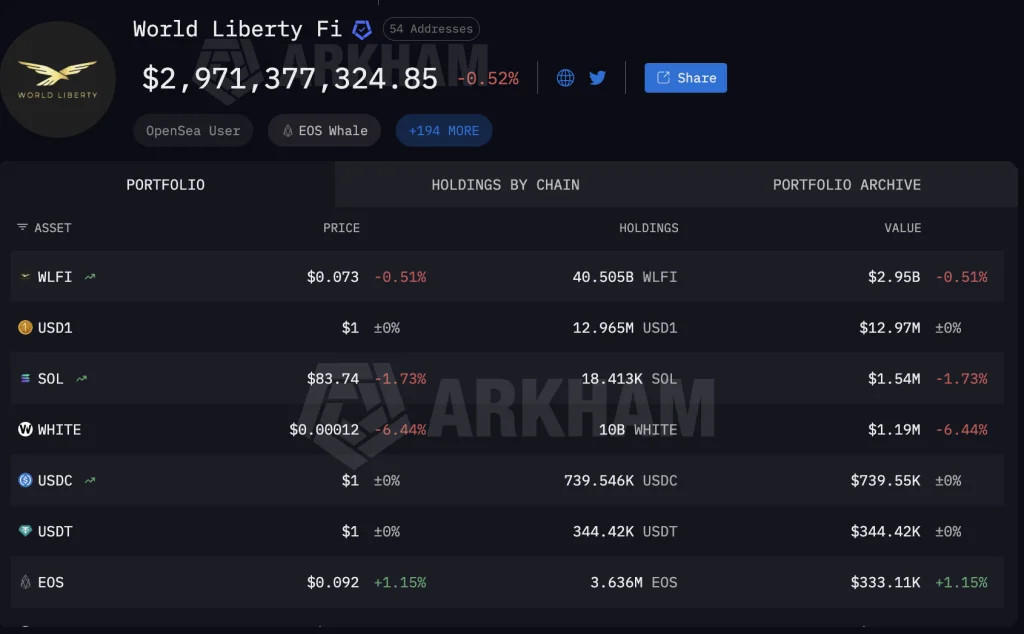

Senator Thom Tillis, a senior Republican on the Senate Banking Committee, told reporters he will flip from negotiator to no-vote on the Clarity Act unless the bill carries ethics language barring White House officials from sponsoring, endorsing, or issuing digital assets. The demand puts a retiring senator with no reelection incentive at the structural fulcrum of US crypto legislation — the bill needs 60 votes for cloture, Tillis's defection would shred the bipartisan math, and Senate Banking lacks jurisdiction over ethics so the language has to be bolted on before floor consideration, not in committee markup.
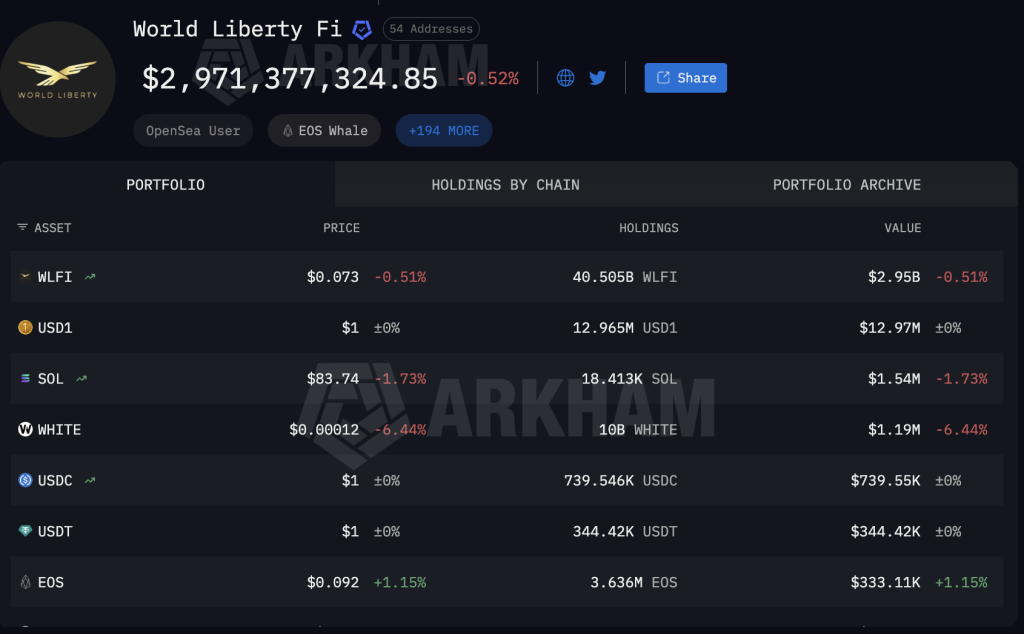
The ethics provision is aimed squarely at the Trump family's expanding crypto footprint. World Liberty Financial launched the USD1 stablecoin and is pursuing a federal banking license; combined family crypto exposure is now above $1 billion. Democrats led by Adam Schiff have framed the ask as a ban that applies to all federal employees including the president, while Senator Ruben Gallego has been equally explicit: no bipartisan ethics deal, no final bill, no floor movement.
Why it matters
The clarity Act is the single most consequential piece of US crypto legislation in flight — it divides oversight between the CFTC and SEC, resolving the jurisdictional ambiguity that has kept institutional capital on the sidelines. Every week it stalls is another week exchanges and token issuers operate without the legal certainty needed to deploy at scale. The bill already passed the House in July; the Senate is now the bottleneck, and Tillis has converted an internal Democratic ethics push into a bipartisan precondition.
Tillis's position carries unusual weight because he is not a Democrat using the bill as leverage. He has been actively negotiating the legislation, sits on the committee of jurisdiction, and is retiring early next year — meaning political cost-benefit analysis points toward harder, not softer, demands. His shift from negotiator to potential defector is a material change in trajectory, not political theater.
Market impact
Polymarket currently prices the odds of the Clarity Act being signed into law in 2026 at roughly 46%.
Frequently asked questions
-
What is Senator Tillis demanding in the Clarity Act?
Tillis wants ethics language added to the bill that restricts White House officials from sponsoring, endorsing, or issuing digital assets. Without that provision he has threatened to vote against the legislation, even though he has been actively negotiating it.
-
Why does Tillis's defection threaten the bill's math?
The Clarity Act needs 60 votes for Senate cloture and depends on bipartisan support. Tillis sits on the Senate Banking Committee, the panel of jurisdiction, and his defection would shatter the Republican coalition needed to pair with Democrats for passage.
-
What is the Trump family's crypto exposure?
The Trump family's combined crypto ventures are valued above $1 billion. That includes World Liberty Financial, which launched the USD1 stablecoin and is pursuing a federal banking license — the activity that prompted Democrats to push for ethics restrictions.
-
Why is the ethics language procedurally complicated?
The Senate Banking Committee does not have jurisdiction over ethics provisions. The language must be added outside the committee markup process, before the bill reaches the Senate floor for consideration.
-
What are the odds the Clarity Act passes in 2026?
Polymarket currently prices the odds of the Clarity Act being signed into law in 2026 at roughly 46%, reflecting both the ethics fight and the separate stablecoin yield payment dispute that is also delaying progress.
 CoinTelegraph
 WatcherGuru
 CryptoSlate
 TheBlock
 CoinDesk
 Crypto Capital Venture