








 CoinDesk



Hyperliquid priced in roughly 80% of the subsequent move in West Texas Intermediate crude before CME's oil market reopened following weekend closures during the U.S.–Israel–Iran conflict earlier this year, according to a new TD Securities report. Notional volume in oil-linked perpetual futures on the platform grew from roughly $25 million to more than $550 million by the third weekend of trading, the bank said, with Hyperliquid staying open while traditional commodity venues were shuttered.
TD framed perpetuals — contracts with no expiry, kept tethered to spot via funding-rate mechanics — as a market-structure product escaping its crypto origins. Perps already account for roughly 80% of global digital-asset trading volume, and the bank argued institutional demand is now pulling the instrument into commodities, equities and private-market pre-IPO exposure. Hyperliquid offers perps tied to names like Cerebras and SpaceX, letting traders take positions on private valuations before listings.
Why it matters
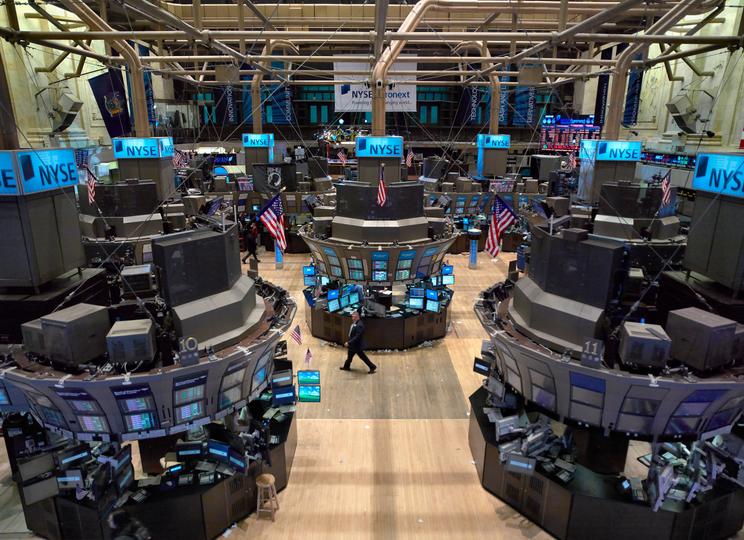
Momentum is no longer theoretical. The CFTC cleared bitcoin perpetuals on Kalshi last month, and Coinbase has publicly floated equity-index perps — the U.S. regulatory perimeter is opening from both ends. TD's core line is blunt: "PERPs are no longer just a crypto product. They are becoming a broader market-structure product." If oil and pre-IPO perps keep pulling volume on weekends and outside Wall Street hours, the price-discovery franchise that has belonged to CME and ICE since the 19th century starts to look contestable.
Market impact
Incumbents are already pushing back. ICE and CME have asked regulators to scrutinise Hyperliquid's oil-linked products while quietly building their own perps offerings — the textbook defensive posture when a venue starts winning flow an incumbent cannot match outside trading hours. TD expects oil, gold and copper to be the next perps growth wave, with the open question being whether the format keeps its appeal once it lands inside a formal U.S. framework.

Frequently asked questions
-
What did TD Securities say Hyperliquid got right during the oil weekend?
According to TD, Hyperliquid priced in roughly 80% of the subsequent move in WTI crude before CME's market reopened after a weekend closure tied to the U.S.–Israel–Iran conflict earlier this year.
-
How big did Hyperliquid's oil-linked perpetual futures volume get?
TD reported notional volume in Hyperliquid's oil-linked perps grew from roughly $25 million to more than $550 million by the third weekend of trading during the conflict period.
-
How are CME and ICE responding to Hyperliquid's perpetual futures?
TD noted that ICE and CME have asked regulators to scrutinise Hyperliquid's oil-linked products while simultaneously exploring their own perpetual futures offerings — a defensive posture as on-chain venues win flow outside traditional trading hours.
-
Why are regulators paying more attention to perpetual futures now?
The CFTC cleared bitcoin perpetuals on Kalshi last month, and Coinbase has publicly floated equity-index perps, opening the U.S. regulatory perimeter from both ends and accelerating the shift, per TD.
-
What share of crypto trading volume do perpetual futures now account for?
TD Securities cited figures showing perpetuals now account for roughly 80% of global digital-asset trading volume, having evolved from a niche crypto instrument into a broader market-structure product.
 CryptoSlate
 WuBlockchain
 CoinTelegraph
 TheBlock
 Crypto Rank News
 WatcherGuru
 Crypto News