








 CoinDesk
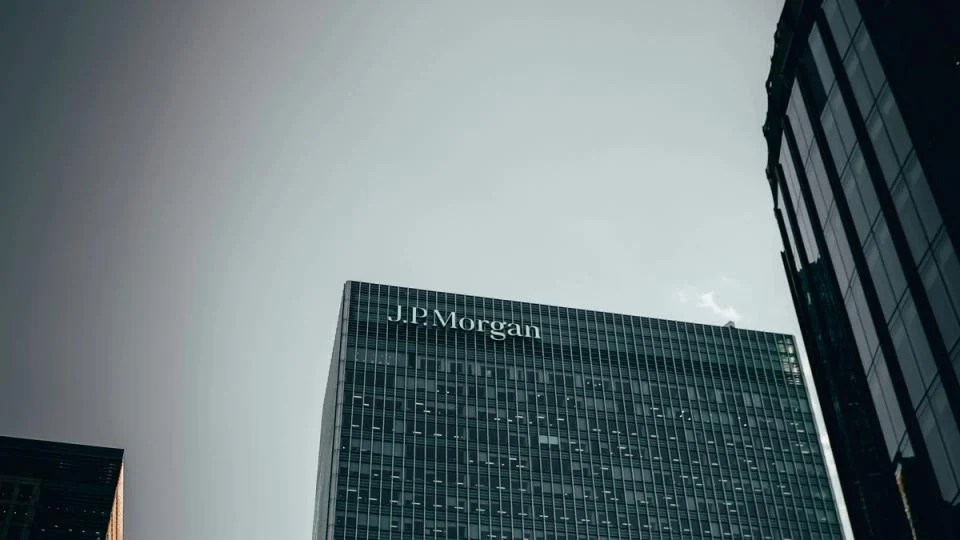



JPMorgan, Citi and Bank of America are building a shared tokenized deposit network to launch in the first half of 2027, operated by The Clearing House, the payments utility collectively owned by the banks. Some insiders are calling the rail "the bridge," others "the chain," the Wall Street Journal reported. The system will convert traditional bank deposits into blockchain-based tokens that move 24/7 while remaining inside the regulated banking perimeter.
Why it matters
The network is a direct response to the stablecoin threat: if the Clarity Act advances and allows yield-bearing stablecoins, dollars could migrate from bank deposits into crypto wallets, eroding the deposit base banks use to extend credit. Tokenized deposits are designed to neutralize that risk by giving depositors crypto-like speed and programmability without ever leaving the banking system. The Clearing House expects large multinationals to adopt the network as a gateway to programmable treasury, real-time liquidity management and cross-border payments.
Market impact
CEO David Watson called the buildout "a big move for the banks" and described a "radically different" future for onchain payments. The coordinated launch across the three largest US lenders — on a single shared rail rather than competing proprietary chains — sets a template the rest of the industry is likely to follow. For stablecoin issuers, the message is that the incumbents intend to match the technology while preserving the regulatory moat around deposits.
Frequently asked questions
-
What is the shared tokenized deposit network the big US banks are building?
JPMorgan, Citi and Bank of America are building a shared blockchain-based rail, operated by The Clearing House, that converts traditional bank deposits into digital tokens transferable around the clock while remaining inside the regulated banking system. The network is targeted for launch in the first half of 2027.
-
Why are JPMorgan, Citi and Bank of America building a tokenized deposit network?
The banks are responding to the threat that stablecoins — especially yield-bearing ones enabled by the pending Clarity Act — could pull deposits out of the banking system. Tokenized deposits aim to match the speed and programmability of stablecoins while keeping funds inside the regulated perimeter.
-
What role does The Clearing House play in the tokenized deposit network?
The Clearing House, the payments utility collectively owned by major US banks, will operate the shared tokenized deposit rail. Its CEO David Watson described the project as a big move for the banks and a "radically different" future for onchain payments.
-
How do tokenized deposits differ from stablecoins?
Tokenized deposits are blockchain representations of customer money held at a regulated bank, while stablecoins are dollar-pegged digital assets issued by crypto companies that sit outside the traditional banking system. The tokenized deposit network is designed to keep funds inside the banking perimeter even as they…
-
Who is expected to use the banks' shared tokenized network first?
The Clearing House expects large multinational corporations to be early adopters, using the network for programmable treasury operations, real-time liquidity management and cross-border payments.
 TheBlock
 WatcherGuru
 CoinTelegraph
 Crypto Rank News
 CryptoSlate
 Altcoin Daily