








 CoinDesk
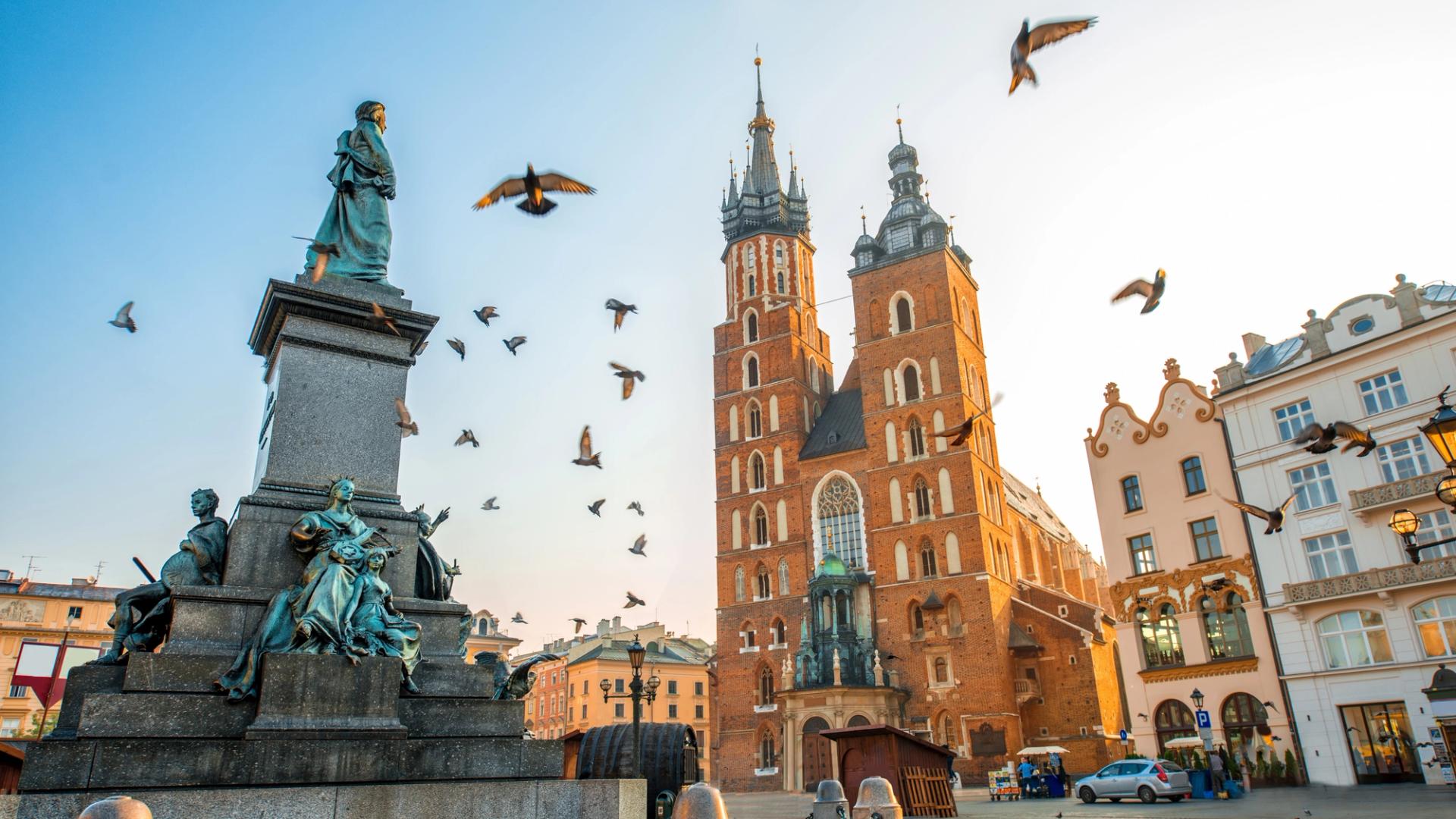


MiCA's transition period ended on July 1, and Poland's roughly 2,000 registered virtual asset service providers woke up without a legal basis to operate. The country issued zero MiCA licenses during the run-up, while Germany issued 57, France 26 and the Netherlands 26. Polish investors hold an estimated €9.4 billion in digital assets, and that capital now has every reason to follow the talent, founders and compliance teams already relocating to Amsterdam, Frankfurt and beyond.
Why it matters
The licensing imbalance is the structural story. MiCA was designed to be uniform across all 27 member states, but the transition exposed a fault line: regulators in the bloc's biggest Western markets had the experience and the institutional plumbing to authorise crypto businesses, while several Eastern member states did not. Greece, Hungary, Poland and Romania collectively issued zero authorisations. The result is a single market in principle, and a single licensing hub in practice. Once compliance teams, capital and regulatory know-how concentrate in Frankfurt, Paris or Amsterdam, rebuilding that ecosystem in Warsaw is not a matter of months but years.
That asymmetry lands hardest on entrepreneurs. Polish founders invested heavily in DeFi and described MiCA in the early stage as predominantly positive; they were promised a level playing field with their Western European counterparts. Instead, the cost of getting compliant now runs up to €700,000, with multi-million-euro penalties for serious violations, and the licensing pathway they were supposed to walk no longer exists inside their own country.
Market impact
Capital tends to follow the path of least regulatory friction, and the Polish crypto market is now facing exactly that test. The €9.4 billion in Polish-held digital assets is the prize; if it relocates westward with the businesses that hold it, Poland becomes a market for others to sell into rather than a participant in Europe's digital financial future. Consolidation will accelerate across the continent as smaller operators close, get acquired or route through larger regulated infrastructure providers. The UK is moving in the same direction, with the FCA's new cryptoasset regime opening applications in 2026 and going live in October 2027, raising the competitive bar even higher.
The longer-term read is that Europe ends up with fewer crypto companies but a more trusted, better-capitalised industry. The losers are the ecosystems that were built from the bottom up on cheap experimentation.
Frequently asked questions
-
How many MiCA licenses did Poland issue?
Zero. During the run-up to MiCA's July 1, 2026 transition deadline, Poland issued no authorisations, while Germany issued 57, France 26 and the Netherlands 26.
-
How many crypto firms were registered in Poland before MiCA?
Poland had roughly 2,000 registered virtual asset service providers on its domestic register. All of them lost the legal basis to operate when the MiCA transition period ended.
-
How much in digital assets do Polish investors hold?
Polish investors hold an estimated €9.4 billion in digital assets, according to industry analysis cited in the column. That capital could relocate westward if Polish firms continue to leave.
-
How much does MiCA compliance cost?
Getting a regulated crypto business through MiCA authorisation can cost up to €700,000, with multi-million-euro penalties for serious violations, according to the column.
-
What is the FCA doing on UK crypto regulation?
The UK Financial Conduct Authority is introducing a comprehensive cryptoasset regime, with applications beginning in 2026 and the new rules taking effect in October 2027.
 CryptoSlate
 Lookonchain
 TheBlock
 WuBlockchain
 Crypto News