








 CoinDesk
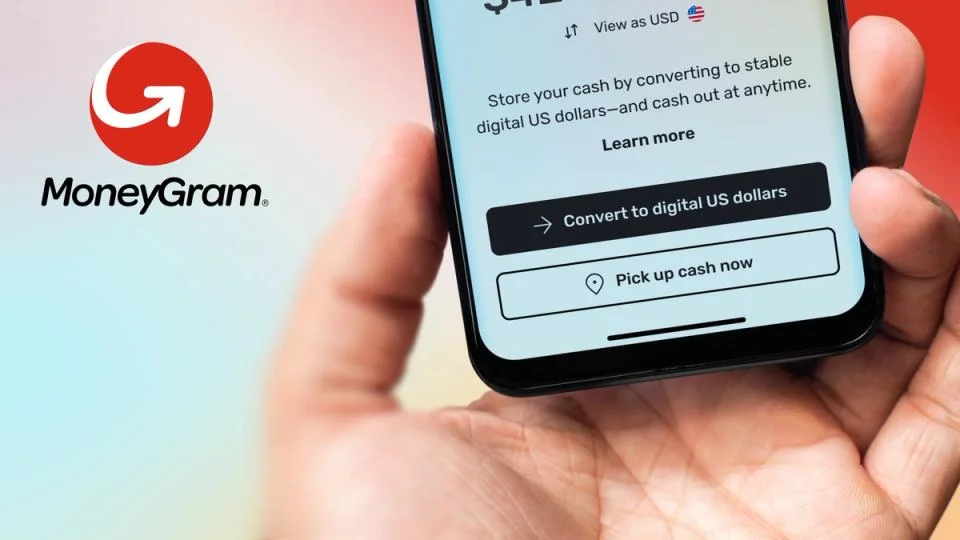


MoneyGram has become a validator on the Solana blockchain, helping process transactions and secure the proof-of-stake network as the remittance firm deepens its push into stablecoin payment infrastructure. The move follows the May launch of MoneyGram's MGUSD stablecoin on Stellar through a partnership with Stripe-owned Bridge.
As a validator, MoneyGram will play a direct role in confirming transactions on Solana, a step beyond simply using the network. The company also joined Solana Developer Platform, an initiative aimed at helping institutions build financial products on the blockchain. CEO Anthony Soohoo said the company is betting that "the future of global money movement will be built on open, interoperable stablecoin rails that anyone, anywhere can access."
Why it matters
MoneyGram is no longer just a customer of blockchain rails. By running validator infrastructure on Solana, the company is taking on operational responsibility for the network's security, a stronger signal of long-term commitment than launching an app or accepting USDC. The validator slot joins earlier moves including the MGUSD stablecoin on Stellar and a recent anchor validator role on payments-focused blockchain Tempo, pointing to a multi-chain strategy rather than a single-network bet.
The strategic logic is that a remittance firm sitting on hundreds of billions in annual cross-border flows benefits from being inside the infrastructure rather than just plugging into it. Validators earn staking yield, gain influence over network upgrades, and signal to partners that the company is a permanent participant, not a tourist.
Market impact
For Solana, landing a top-five global remittance brand as a validator adds institutional weight at a time when legacy finance is actively scouting which chains to build on. For MoneyGram, the move broadens its stablecoin footprint from a single Stellar-issued asset to a role in securing a higher-throughput network that hosts major USDC liquidity and payment volumes.

Frequently asked questions
-
Why did MoneyGram become a Solana validator?
MoneyGram said it is taking an active role in the blockchain infrastructure it is building payment services on, beyond simply using the network. Operating a validator helps it process transactions and secure Solana's proof-of-stake network.
-
What is MGUSD and how does it relate to the Solana move?
MGUSD is MoneyGram's stablecoin, launched earlier this year on the Stellar blockchain through a partnership with Stripe-owned Bridge. The new Solana validator role sits alongside MGUSD and a separate anchor validator position on payments-focused blockchain Tempo.
-
What does a validator do on Solana?
Validators process and confirm transactions on Solana's proof-of-stake network, helping secure the chain and earning staking yield in return. Running a validator gives the operator influence over network upgrades and signals long-term commitment.
-
Why is a remittance firm running blockchain infrastructure?
MoneyGram handles hundreds of billions in annual cross-border flows and is betting that stablecoins will become core payment rails. Operating validator infrastructure positions the firm inside the networks rather than as a customer of them, giving it more control and a stronger signal to partners.
-
How does the Solana move fit MoneyGram's broader crypto strategy?
MoneyGram has been integrating blockchain into payments and settlement for years, but the validator and anchor roles mark a shift from consumer to infrastructure participant. The firm is spreading across Stellar, Solana, and Tempo rather than committing to a single chain.
 WatcherGuru
 CoinTelegraph
 WuBlockchain
 CryptoSlate
 Crypto News
 TheBlock