








 CoinDesk
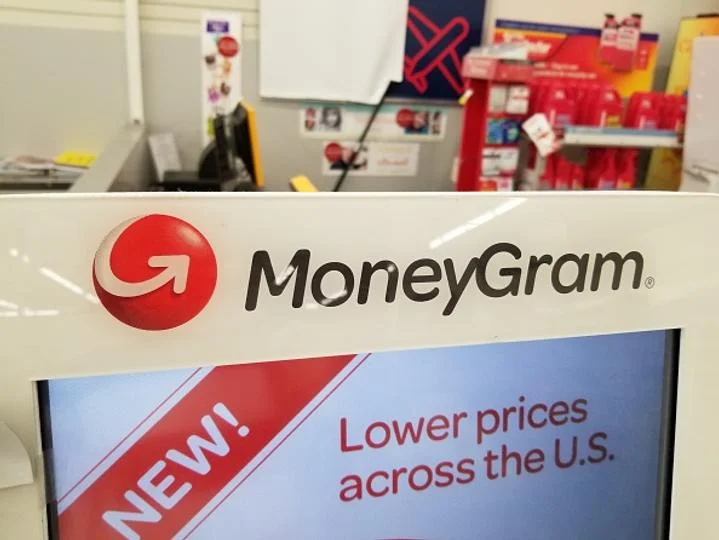


MoneyGram launched its own US dollar-backed stablecoin, MGUSD, on the Stellar blockchain on Tuesday, embedding the token inside its app as a self-custodial balance that routes across the company's global payments network. MGUSD will roll out to US customers first, with global expansion planned across MoneyGram's 60 million customers and nearly 500,000 retail locations. The token is issued by Bridge — the stablecoin infrastructure platform acquired by Stripe — with smart contracts built by M0 and wallet infrastructure from Fireblocks, layering regulated issuance onto MoneyGram's existing five-year relationship with the Stellar Development Foundation.
Why it matters
The launch formalises a payments-company pivot into stablecoin issuance that PayPal, Western Union and SoFi have already made. MoneyGram is taking a different path than SoFi's in-house build: it is outsourcing issuance to Bridge, the regulated issuer Stripe acquired, and plugging Bridge's regulated compliance stack into its own distribution. "MGUSD is the stablecoin we built for our customers, for the families sending money home and for the billions of people around the world with limited financial access," chairman and CEO Anthony Soohoo said in a statement. Stellar Development Foundation CEO Denelle Dixon framed it as "purpose-built blockchain paired with a trusted payments network" — a direct pitch that public-chain settlement is now production-grade for remittances.
Market impact
The move lands as stablecoins have become one of crypto's fastest-growing sectors, with banks, fintechs and payment providers layering blockchain rails onto cross-border flows. Citi has projected the market could expand to $4 trillion by 2030 from roughly $300 billion today, a thesis MGUSD is built to ride. The infrastructure stack also reads as a template: regulated issuer (Bridge), on-chain mint/redeem logic (M0), institutional custody (Fireblocks), distribution (MoneyGram), rails (Stellar). With 60 million end users as the on-ramp, the more meaningful signal is distribution density at scale — a payments-company balance sheet plus a regulated US issuer behind a single token — rather than the launch itself.

Frequently asked questions
-
What is MGUSD and who issues it?
MGUSD is a US dollar-backed stablecoin launched by MoneyGram on the Stellar blockchain. It is issued by Bridge, the stablecoin infrastructure platform acquired by Stripe, with smart contracts from M0 and wallet infrastructure from Fireblocks.
-
Who can use MGUSD at launch?
MGUSD debuted on Tuesday for US customers. MoneyGram said it plans a broader international rollout across its 60 million customers and nearly 500,000 retail locations worldwide.
-
How does MoneyGram's approach differ from SoFi's stablecoin?
MoneyGram is outsourcing regulated issuance to Stripe-owned Bridge, while SoFi built its SoFiUSD token in-house. MoneyGram is also plugging Bridge's compliance stack into its own distribution network rather than developing the rails itself.
-
Why did MoneyGram pick Stellar for MGUSD?
MoneyGram has worked with the Stellar Development Foundation on stablecoin-powered remittances for five years. Stellar was designed for institutional-scale payments, and Stellar CEO Denelle Dixon framed MGUSD as proof that public-chain rails can support production-grade remittance volume.
-
How big could the stablecoin market get?
Global bank Citi has projected the stablecoin market could expand to $4 trillion by 2030, up from roughly $300 billion today, driven by banks, fintechs and payment providers layering blockchain rails onto cross-border flows.
 WatcherGuru
 TheBlock
 CryptoSlate
 WuBlockchain
 CoinTelegraph
 Crypto Rank News
 Lookonchain