








 CoinDesk
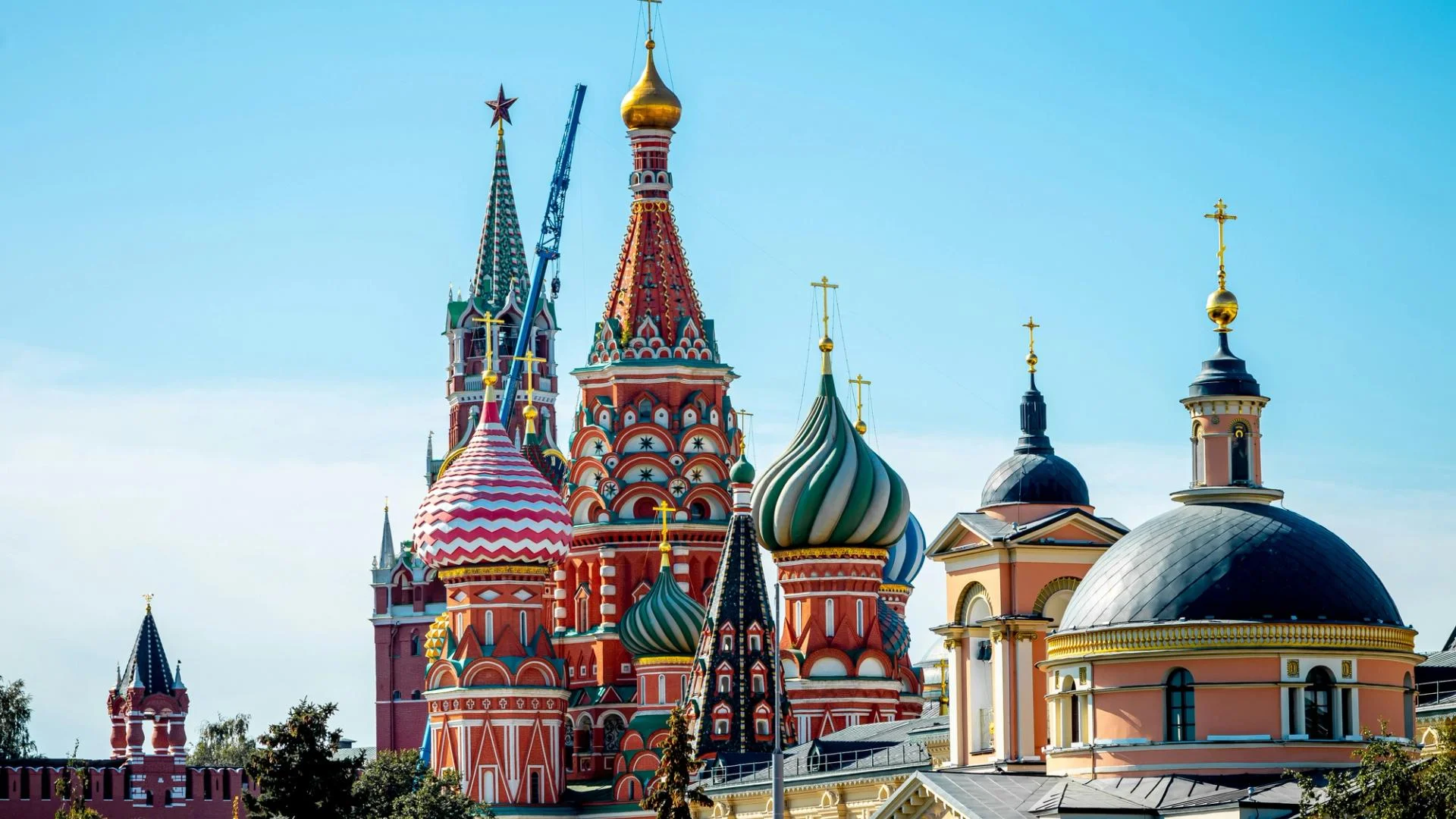


Russia banned crypto mining in Moscow, the surrounding Moscow region and parts of Kursk through Dec. 31, 2032, under government decree No. 936, signed on July 25 and published on July 31. The year-round restriction also bars participation in crypto mining pools and is the third regional ban Russia has rolled out since legalizing registered mining in 2024. The Energy Ministry framed the measure as a grid-stability fix, with mining facilities already pulling roughly 1 gigawatt from the Moscow power system.
Why it matters
Russia is the world's second-largest Bitcoin mining power, contributing an estimated 175 exahashes per second, or 16.4% of global hashrate, in the first quarter, per Luxor's Hashrate Index. Whether the Moscow-region fleet sits inside that 16.4% is unclear, but the policy direction is not: Moscow now joins 10 other regions where mining is restricted through 2031 over electricity demand. Russia's regional carveouts have shifted hashing capacity toward Siberia and the Far East, where stranded hydropower is cheaper and grid strain is lower.
Market impact
The decree lands as Russian companies lean on domestically mined BTC for cross-border settlements, a payments workaround finance minister Anton Siluanov publicly defended in December 2024. The U.S. Treasury sanctioned BitRiver and 10 subsidiaries in 2022 over that monetization pipeline, and the Moscow closure tightens the domestic supply chain behind it. Data-center capacity in the Moscow power system is projected to reach 3.6 GW, or 17% of peak demand, by 2032, meaning the mining set-aside is part of a broader reallocation of grid capacity to AI and cloud workloads, not a crypto-only clampdown.

Frequently asked questions
-
Why is Russia banning crypto mining in Moscow?
The Energy Ministry says mining facilities already pull roughly 1 gigawatt from the Moscow power system and the year-round restriction, signed under decree No. 936, is needed to reduce the risk of power-capacity shortages.
-
How much of global Bitcoin hashrate does Russia control?
Russia accounted for an estimated 175 exahashes per second, or 16.4% of Bitcoin's global computing power, in the first quarter, according to Luxor's Hashrate Index, placing it second behind the U.S.
-
How long does the Moscow mining ban last?
The ban covers Moscow, the surrounding Moscow region and parts of Kursk and runs through Dec. 31, 2032. It also prohibits participation in crypto mining pools.
-
What other Russian regions have already banned crypto mining?
Russia banned mining in 10 regions through March 2031 over electricity demand, and later extended year-round restrictions to southern Irkutsk and most areas of Buryatia and Zabaykalsky Krai.
-
How does the ban affect Russian companies using mined BTC for international payments?
Russia's July legislation kept the domestic crypto payments ban but preserved exceptions for foreign-trade settlements using mined cryptocurrency, so the Moscow shutdown tightens the supply chain behind a sanctions workaround the U.S. Treasury has already targeted via BitRiver sanctions in 2022.
 Benjamin Cowen
 WatcherGuru
 CryptoSlate
 CoinTelegraph
 TheBlock
 Crypto News