








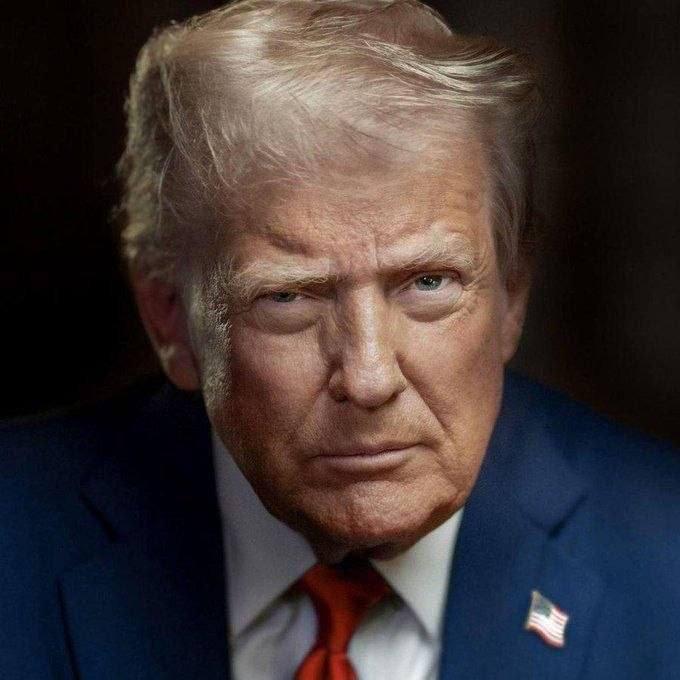
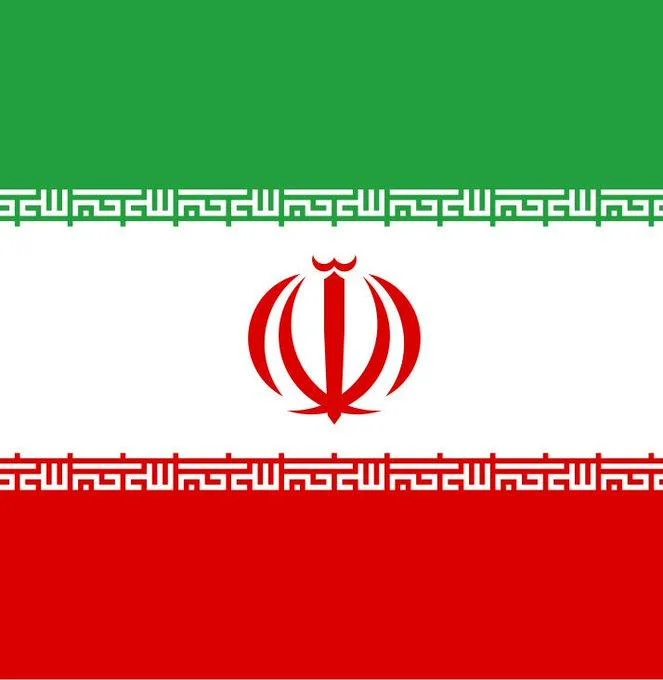
President Trump denied on Friday that he is trying to force Iran back to negotiations, saying he prefers the current US position of, in his words, 'almost total control of the Hormuz Strait.'
Why it matters
The Strait of Hormuz is the world's most consequential oil chokepoint, carrying roughly 20% of global seaborne crude and a meaningful share of LNG. A claim of 'almost total control' from a sitting US president reads as a blockade or naval-dominance posture, not routine posturing. It narrows the room Tehran has to escalate without direct military contact, which is exactly the kind of language that reprices geopolitical risk across commodities.
Market impact
Crude has already bid higher on broader Iran-Israel-US tension this week, and an explicit Hormuz-control frame from the White House extends that premium. Watch Brent and WTI for follow-through, tanker insurance rates through the strait, and any Iranian counter-statement framing the claim as a red line. Risk-off in equities usually lags the crude move by hours, not days.
Frequently asked questions
-
What did Trump say about Iran and the Hormuz Strait?
He denied any US push to force Iran back to negotiations and said the US now has, in his words, 'almost total control of the Hormuz Strait,' a phrasing that reads as a blockade or naval-dominance posture.
-
Why does the Strait of Hormuz matter for oil markets?
The strait carries roughly 20% of global seaborne crude and a meaningful share of LNG, making it the single most consequential oil chokepoint in the world and a primary driver of geopolitical risk premium.
-
What does 'almost total control' of Hormuz actually imply?
The phrasing suggests a US naval-dominance posture short of a formal blockade, narrowing the room Iran has to escalate the strait as a leverage point without triggering direct military contact.
-
How are oil prices likely to react to Trump's Hormuz comments?
An explicit control frame from a sitting president extends the geopolitical premium already built into Brent and WTI, with shipping insurance through the strait the most immediate second-order signal.
-
Has Iran threatened to close the Strait of Hormuz before?
Yes. Tehran has periodically threatened to close the strait during periods of elevated tension, including in recent exchanges tied to the Israel conflict, which is why any US control claim narrows the escalation ladder.

 Crypto News
 WatcherGuru
 Crypto Capital Venture
 Crypto Rank News
 WuBlockchain
 CryptoSlate