








 CryptoSlate
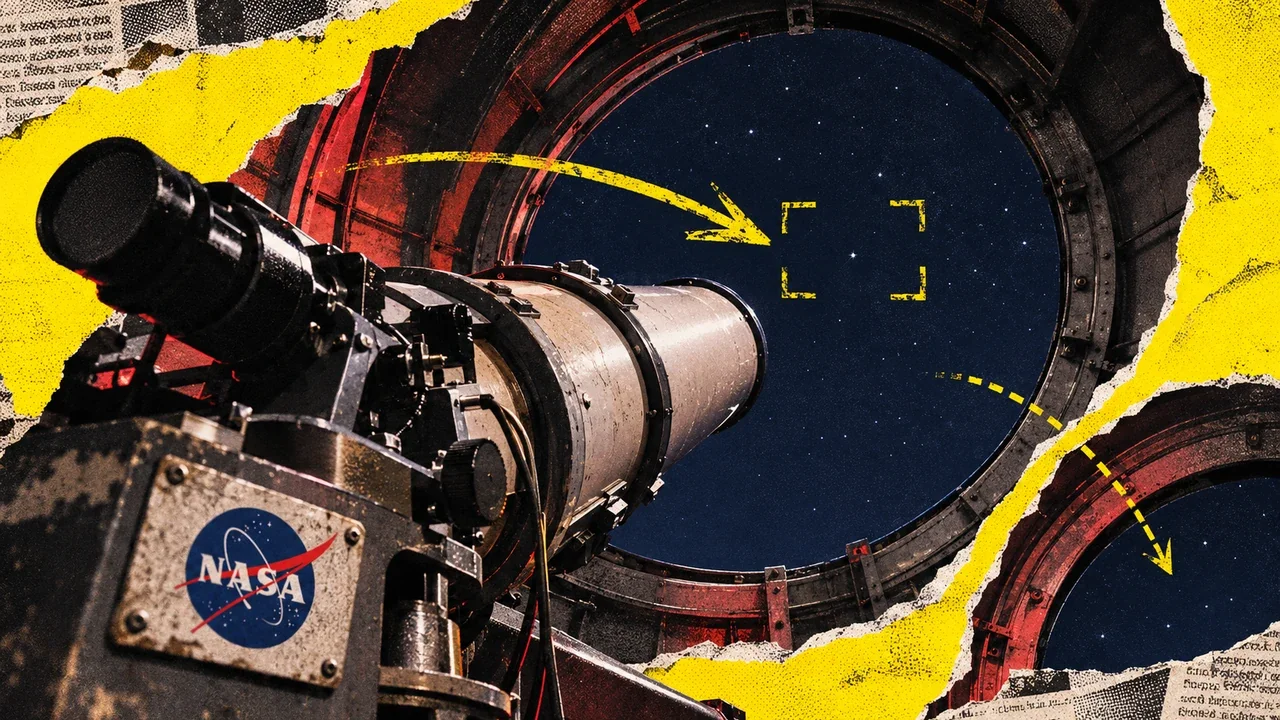

Two potential planets have emerged from an AI-assisted search of NASA's archived Kepler telescope observations, with both signals independently recovered in preliminary checks. OpenAI engineer and amateur astronomer Kevin Bond used the company's Codex tool to build software that searched about 100,000 stars and flagged more than 200 signals, including 10 linked to known planets.
One candidate orbits KIC 5689121, a relatively cool star whose brightness dips every 13.8 days. OpenAI said the signal is consistent with a planet about 2.4 times Earth's diameter. The second signal, around KIC 6691030, recurs every 4.8 days and suggests a planet smaller than Neptune.
Why it matters
Bond combined existing detection methods in a program with two AI agents: one identified promising signals and the other examined them further. SETI Institute astronomer Vishal Gajjar independently recovered both findings, though confirmation could take months or years.
In a separate search, amateur astronomer Ethan Byrd used OpenAI's Astra to examine data covering about 19 million stars. His initial search found 49 candidates, one of which he submitted to researchers working on NASA's TESS mission.
Market impact
The work offers an example of general-purpose AI helping independent researchers build tools to extract potential discoveries from public archives. Astronomers have used AI in planet searches for years, including the 2017 discovery of Kepler-90i using a neural network.
The candidates remain unconfirmed. Eclipsing stars or telescope fluctuations can also produce brightness dips, and follow-up observations are needed to test whether planets caused the signals.
Frequently asked questions
-
How did Codex help search NASA's Kepler data?
OpenAI engineer Kevin Bond used Codex to build software combining existing detection methods. One AI agent identified promising signals and another examined them further.
-
What did the Kepler search find besides the two candidates?
The search covered about 100,000 stars and produced more than 200 signals, including 10 associated with previously confirmed planets.
-
What do the signals suggest about the two possible planets?
One signal is consistent with a planet about 2.4 times Earth's diameter. The other suggests a planet smaller than Neptune.
-
Why are the two planet candidates not yet confirmed?
Eclipsing stars or telescope fluctuations can also cause brightness dips. Follow-up observations are needed to test whether planets produced the signals.
-
What did Ethan Byrd find using OpenAI's Astra?
Byrd's initial search identified 49 candidates in data covering about 19 million stars. He submitted one candidate to researchers working on NASA's TESS mission.
 Glassnode
 CoinTelegraph
 WatcherGuru
 CoinDesk
 Lookonchain
 Crypto News