








 CoinDesk
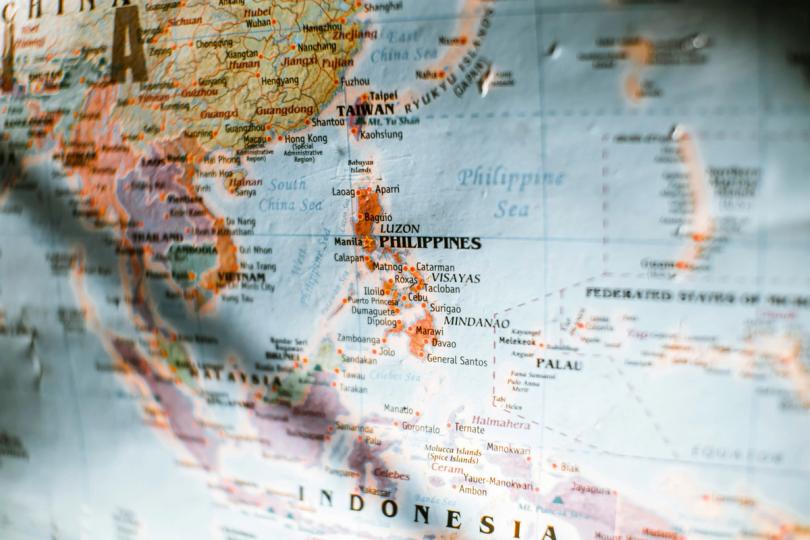

Bangko Sentral ng Pilipinas (BSP) said Binance and its Philippine partner BlockShoals Technologies Inc. do not hold the Virtual Asset Service Provider (VASP) license required to operate in the country, according to a BitPinas report. The statement comes a month after Binance announced it was reentering the Philippines through BlockShoals, a local fintech that received initial Securities and Exchange Commission (SEC) clearance in November under the regulator's StratBox sandbox framework.
Why it matters
BSP explicitly drew a line between the two regimes: participation in the SEC's Strategic Sandbox does not substitute for central bank licensing, and any entity seeking to operate as a VASP must comply with both frameworks independently. The SEC also revised the sandbox terms, now describing Binance as a global crypto-asset service provider rather than a global VASP — a narrower designation. The revised deal requires BlockShoals to integrate its systems with a licensed domestic VASP within 90 days before any user onboarding through Binance infrastructure can begin.
Market impact
The dual-regulator friction matters because Binance was ordered blocked by Philippine ISPs and app stores in 2024 after the SEC ruled it was operating without a license — meaning the reentry path now requires Binance to clear the same central bank gate it failed the first time, plus the new sandbox integration timeline. For the broader offshore-exchange segment watching Southeast Asia, the message from Manila is that sandbox approval is a fast-pass to testing, not a license to operate. The next milestone is whether BlockShoals can stitch together a licensed VASP partner inside the 90-day window — without one, the Binance reentry is structurally blocked regardless of SEC posture.

Frequently asked questions
-
Why is the Philippine central bank saying Binance is not licensed?
Bangko Sentral ng Pilipinas (BSP) said Binance and its local partner BlockShoals do not hold the Virtual Asset Service Provider (VASP) license required to operate in the country, per a BitPinas report.
-
Does Binance's SEC sandbox approval in the Philippines count as a license?
No. BSP explicitly stated that participation in the SEC's StratBox sandbox does not substitute for central bank licensing, and firms must comply with both regulatory frameworks independently.
-
What did the SEC change in its sandbox terms for Binance and BlockShoals?
The SEC revised the language to describe Binance as a global crypto-asset service provider rather than a global VASP — a narrower designation — and required BlockShoals to integrate with a licensed domestic VASP within 90 days before user onboarding.
-
Has Binance operated in the Philippines before?
Yes. Binance was previously active in the country, but in 2023 the SEC found it was operating without a license and in 2024 ordered Philippine ISPs and app stores to block the exchange.
-
What does Binance need to actually reenter the Philippine market?
BlockShoals must integrate its systems with a licensed domestic VASP inside the 90-day sandbox window, and Binance must separately secure BSP VASP licensing — neither has been obtained so far.
 CoinTelegraph
 WatcherGuru
 Crypto Capital Venture
 Crypto News