








 CoinDesk
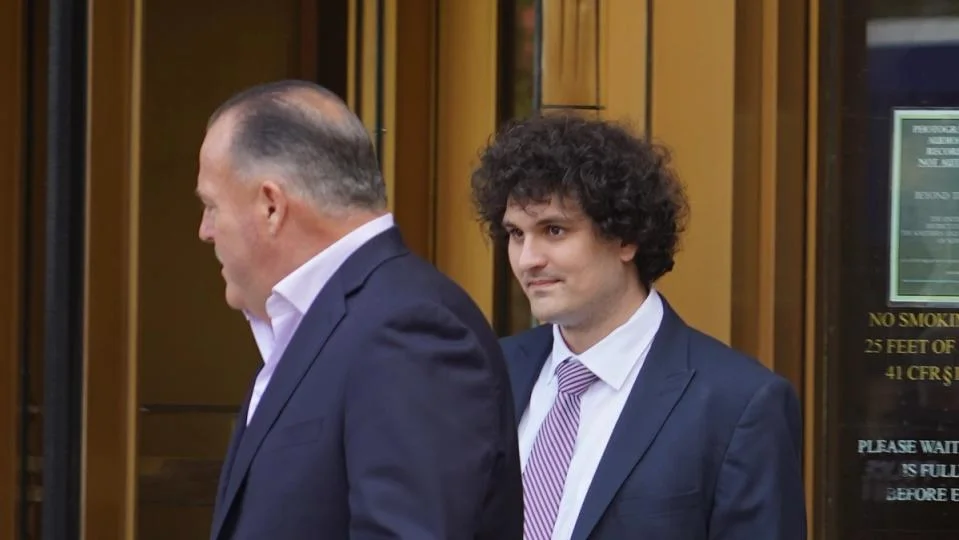



A Second Circuit Court of Appeals panel ruled on Friday that Sam Bankman-Fried failed to overturn his criminal conviction on fraud and conspiracy charges tied to the operation and collapse of FTX. The three-judge panel said Bankman-Fried's arguments that his trial was unfair were not persuasive, backing Judge Lewis Kaplan's handling of objections, evidence rulings, and the defense's attempts to introduce specific arguments.
Why it matters
The appeals court did not mince words about the strength of the original case, calling the government's evidence "conservatively stated, robust." It rejected Bankman-Fried's central theory — that the funds he misappropriated were invested in assets that would have grown — by holding that the wire fraud statute plainly covers temporary misappropriation. "Whether the assets purchased by Bankman-Fried appreciated in value is irrelevant as to whether he committed fraud," the panel wrote. The court also dismissed the contention that FTX was effectively a margin-futures platform customers had implicitly opted into, writing that "no one opted into having their money transferred under false pretenses to Alameda."
Market impact
The ruling is procedural, not financial — Bankman-Fried's 25-year sentence and roughly $11 billion forfeiture order stand — but it closes the last credible legal pathway to a reversal of the original verdict. A separate motion for a new trial is still pending in federal court, and earlier this week Bankman-Fried formally petitioned President Donald Trump for a pardon; Trump has previously said he was not considering clemency for the former FTX CEO, in contrast to other crypto figures pardoned over the past 18 months. The defeat also reinforces the legal baseline for U.S. crypto fraud cases: a defendant cannot convert misappropriation into a market-timing argument, and exchange-style language about margin trading does not shield transfers made under false pretenses.

Frequently asked questions
-
What did the Second Circuit rule on Friday in the Bankman-Fried appeal?
A three-judge panel ruled that Sam Bankman-Fried failed to overturn his criminal conviction on fraud and conspiracy charges, finding his arguments that the trial was unfair not persuasive and supporting Judge Lewis Kaplan's handling of objections and evidence.
-
How did the court address the argument that FTX's investments would have grown?
The panel rejected the argument directly, holding that the wire fraud statute covers temporary misappropriation and that "whether the assets purchased by Bankman-Fried appreciated in value is irrelevant as to whether he committed fraud."
-
What happens to Bankman-Fried's 25-year sentence after this ruling?
The conviction and 25-year sentence stand. A separate motion for a new trial in federal court is still pending, and Bankman-Fried has also formally petitioned President Trump for a pardon.
-
Has President Trump indicated he will pardon Bankman-Fried?
Trump has previously said he was not considering a pardon for the former FTX CEO, contrasting with other crypto figures who have received pardons over the past 18 months. The formal petition was filed earlier this week.
-
What legal precedent does this ruling set for future U.S. crypto fraud cases?
The decision reinforces that defendants cannot recast misappropriation as a market-timing argument, and that exchange-style language about margin trading does not shield transfers made under false pretenses to affiliated entities like Alameda Research.
 CoinTelegraph
 Crypto News
 TheBlock
 WuBlockchain
 Altcoin Daily