








 CryptoSlate

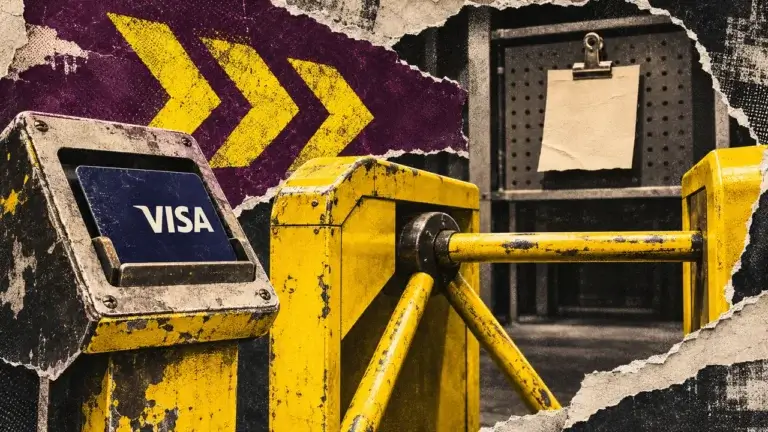
South Korea's Financial Services Commission has proposed initially limiting domestic stablecoin issuance to licensed groups with more than 50% combined bank ownership. Issuers would need at least 5 billion won in equity capital and reserves worth at least 100% of outstanding tokens. A technology or fintech company could still hold the largest individual stake.
The proposal defines stablecoins as digital payment tokens pegged to one currency and used mainly for payments. Issuers would be barred from paying interest to holders and would have to redeem tokens for their equivalent currency value without delay.
Why it matters
The plan would give banks collective control over domestic issuers while leaving room for nonbank firms to participate. Applicants would need an FSC license, a viable business plan and sufficient staff and facilities. Major shareholders and executives would also have to meet eligibility requirements.
Reserves would be held with a manager such as a bank and protected from third-party seizure or setoff. The reserve manager could pay holders directly if an issuer went bankrupt, lost its license or could no longer operate normally, including after a disruption such as a hack. Holders would have priority in those payments.
Market impact
Overseas issuers would need adequate home-country supervision, a Korean branch with sufficient operating funds, FSC registration and a separate filing for their tokens. Platforms and firms that trade, broker or hold the tokens could only handle those with the applicable approval or filing.
The FSC said it would support deliberations in the National Assembly. A later presidential decree would set detailed shareholder rules for domestic issuers.
Frequently asked questions
-
Can a technology company be the largest shareholder in a domestic issuer?
Yes. A technology or fintech company could hold the largest individual stake, provided banks collectively own more than 50%.
-
How much capital and reserve backing would domestic issuers need?
They would need at least 5 billion won in equity capital and reserves worth at least 100% of outstanding tokens.
-
Who could repay holders if an issuer fails?
The reserve manager could pay holders directly if an issuer went bankrupt, lost its license or could no longer operate normally. Holders would have priority in those payments.
-
What would overseas stablecoin issuers need to operate in South Korea?
They would need adequate home-country supervision, a Korean branch with sufficient operating funds, FSC registration and a separate filing for their tokens.
-
Would issuers be allowed to pay interest on the tokens?
No. The proposal would bar issuers from paying interest to holders and require redemption for the equivalent currency value without delay.
 Crypto News
 CoinTelegraph
 CoinDesk