








 CoinDesk
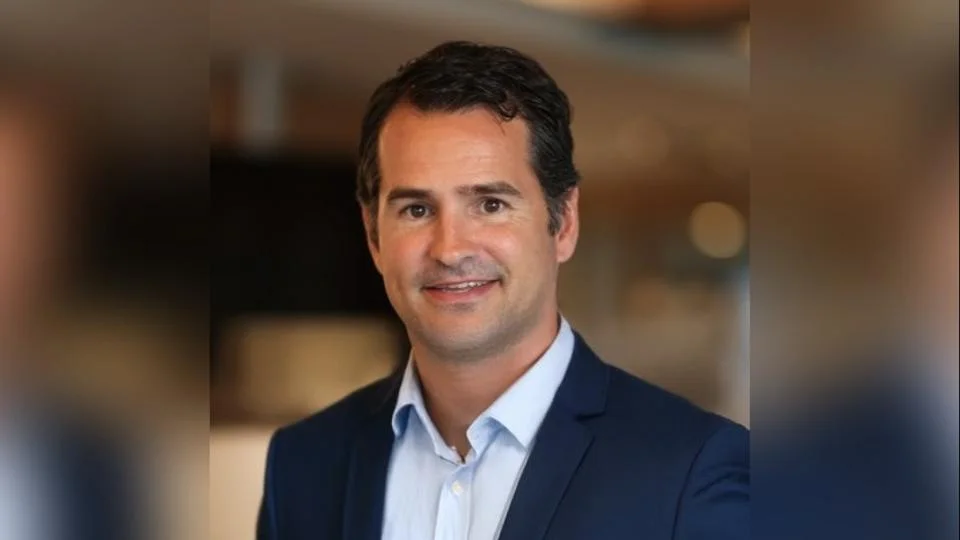


Ondo Finance's new head of portfolio products, John Hoffman, framed tokenization as the structural precursor to an ETF-style growth wave, telling CoinDesk the sector's path mirrors the early days of exchange-traded funds before that wrapper became a dominant access rail. ETFs held roughly $200 billion when he joined the industry in the early 2000s; today the wrapper sits near a $20 trillion global asset class, per a PwC report.
The tokenized asset market has nearly tripled in the past year to more than $33 billion, according to RWA.xyz. Citi projects the sector reaches $5.5 trillion by 2030; a separate Boston Consulting Group and Ripple forecast puts the opportunity at $18.9 trillion by 2033. Hoffman argues the trajectory will be faster than ETFs because the buyer is changing shape, not just the wrapper.
Why it matters
Hoffman's core thesis is that the next demand wave is not human — it's autonomous. AI agents will eventually need tokenized assets, onchain prime-brokerage infrastructure, and asset-management strategies executable natively on blockchain networks to buy, sell and allocate capital without human routing. Tokenization, in that frame, is the prerequisite plumbing for an agent-driven market structure, not a parallel trend.
The comparison is deliberate: ETFs were once dismissed as "weapons of mass destruction" before institutional adoption made them a default access vehicle. Hoffman is betting tokenized wrappers follow the same arc — skepticism, then infrastructure, then absorption into the standard portfolio toolkit — but compressed on a much shorter timeline because the underlying rails are software-native from day one.
Market impact
Ondo already offers tokenized U.S. Treasury products and is expanding into stocks, ETFs and perpetual futures through a tokenized marketplace, with an end-state vision of "professionally managed, real-time" portfolios that rebalance as conditions change.

Frequently asked questions
-
Who is John Hoffman and why does his move to Ondo matter?
Hoffman is the former Invesco and Grayscale executive Ondo Finance hired as head of portfolio products. His background in the ETF wrapper race gives institutional weight to Ondo's thesis that tokenization will follow the same arc — skepticism, infrastructure, absorption — at a faster pace.
-
How big is the tokenized asset market today?
The tokenized asset market has nearly tripled over the past year to more than $33 billion, according to RWA.xyz. Citi estimates it reaches $5.5 trillion by 2030, while a Boston Consulting Group and Ripple forecast puts the ceiling at $18.9 trillion by 2033.
-
What does the ETF comparison actually mean?
Hoffman joined the ETF industry in the early 2000s when the wrapper held roughly $200 billion in assets; today it sits near a $20 trillion global asset class, per PwC. He argues tokenized wrappers run the same trajectory — initial skepticism, then infrastructure buildout, then absorption as a default portfolio access…
-
Why does AI change the demand curve for tokenization?
Hoffman told CoinDesk that AI agents will eventually need tokenized assets, onchain prime-brokerage infrastructure and programmable asset-management strategies to buy, sell and allocate capital autonomously. That makes tokenization the prerequisite plumbing for agent-driven markets, not just a parallel product wrapper.
-
What is Ondo building toward that vision?
Ondo already offers tokenized U.S. Treasury products and is expanding into stocks, ETFs and perpetual futures through its tokenized marketplace. Hoffman's stated end state is "professionally managed, real-time" portfolios that rebalance as market conditions and data shift.
 TheBlock
 WuBlockchain
 Crypto News
 Crypto Rank News
 CoinTelegraph
 CryptoSlate