








 CoinDesk
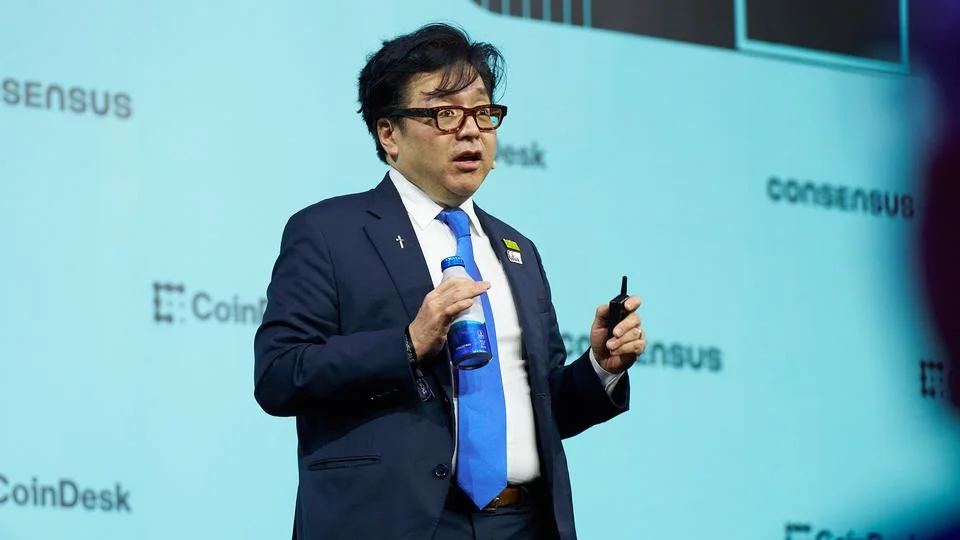

Tom Lee, chairman of Bitmine Immersion Technologies and co-founder of Fundstrat, does not expect the coming wave of mega IPOs from SpaceX, Anthropic, and OpenAI to derail equity markets, even though the combined post lock-up supply could reach trillions of dollars — equivalent to roughly 5% to 6% of the S&P 500's total market capitalization. In inflation-adjusted terms, Lee noted that Elon Musk's SpaceX alone could become the second-largest IPO ever, seeking a market valuation above $1.5 trillion behind only Saudi Aramco.
Why it matters
The concern is mechanical: lock-up expirations 90 days after listing historically flood the market with insider selling. Lee argues the demand side is structurally different this cycle. Family offices, pensions, and high net worth investors have spent years rotating into private markets and alternatives, leaving public equity allocations at historically low levels. That dry powder, in his view, is large enough to absorb the new supply without forcing prices lower. He also expects many early investors to hedge or borrow against holdings rather than immediately sell, avoiding large taxable events that would otherwise pressure share prices.
Market impact
Lee framed the IPO wave as a liquidity event rather than a supply shock, but the read-through extends well beyond equities. He said Wall Street is treating tokenisation as a major opportunity because blockchain enables instant settlement, 24/7 trading, and the ability to borrow against assets such as real estate and art — themes he previously laid out at Consensus Miami 2026. He also argued that blockchain could provide a neutral framework for identity verification in an AI-driven world, and that banks are increasingly circling the convergence of crypto, AI, and finance as a significant revenue opportunity. The S&P 500 question, in Lee's framing, is really a question about how fast institutional capital rotates back into public markets from the private book — and whether tokenisation rails become the settlement layer for that rotation.

Frequently asked questions
-
Which companies is Tom Lee referring to in the IPO wave?
Lee points to SpaceX, Anthropic, and OpenAI as the three mega-listings that could release trillions in post lock-up supply into U.S. public markets over the coming cycle.
-
How big could the SpaceX IPO be?
Lee noted that in inflation-adjusted terms SpaceX could become the second-largest IPO ever, targeting a market valuation above $1.5 trillion, behind only Saudi Aramco.
-
Why does Lee think the S&P 500 can absorb the supply?
He argues family offices, pensions, and high net worth investors hold historically low public equity allocations after years of rotating into private markets, leaving enough dry powder to absorb the new listings without forcing prices lower.
-
What did Lee say about tokenisation?
Lee said Wall Street sees tokenisation as a major opportunity because blockchain enables instant settlement, 24/7 trading, and the ability to borrow against assets such as real estate and art — themes he also highlighted at Consensus Miami 2026.
-
How does AI factor into Lee's blockchain argument?
Lee argued that blockchain could provide a neutral framework for identity verification in an AI-driven world, and that banks are positioning around the convergence of crypto, AI, and finance as a significant revenue opportunity.
 WatcherGuru
 WuBlockchain
 Crypto News
 CoinTelegraph
 TheBlock