








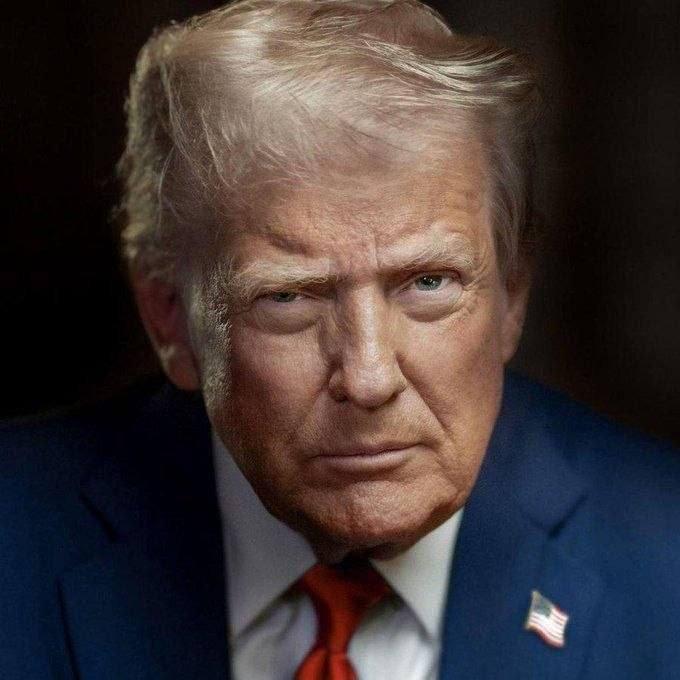
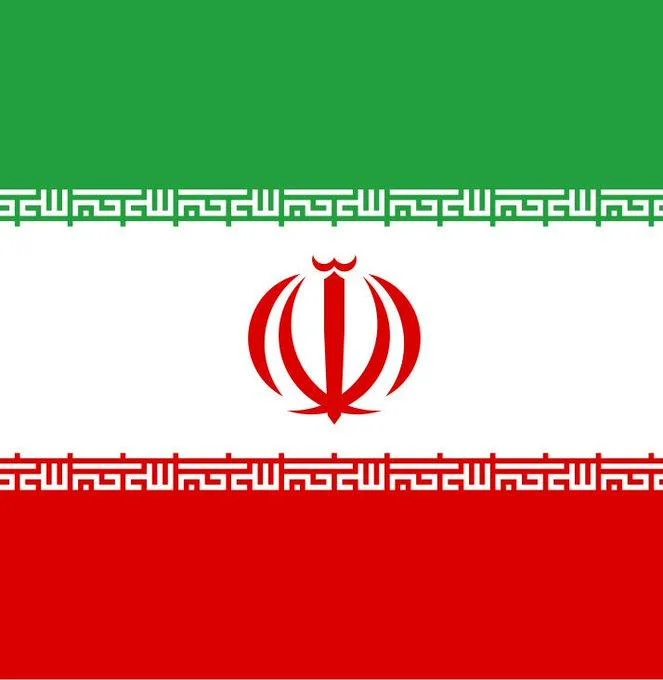
President Donald Trump said he is “low-keying” the U.S. approach to Iran, choosing economic pressure over new military action. The statement puts de-escalation ahead of another military step while keeping economic leverage as the preferred policy tool.
Why it matters
For investors, that distinction is material. A pressure-first approach avoids an immediate increase in military risk while preserving leverage against Iran. The standoff remains a major geopolitical variable for energy markets and global risk sentiment.
Market impact
The signal is constructive for broader risk assets because it lowers the immediate threat of military escalation. Equities and crypto get a calmer backdrop, while oil could lose some geopolitical premium if the stance holds. The key test is follow-through from Washington and Tehran, especially whether Iran responds without pushing military action back to the foreground.
Frequently asked questions
-
What does Trump's 'low-keying' phrase mean in practice?
It means Trump is favoring economic pressure against Iran instead of taking a new military step, putting de-escalation first.
-
Why does avoiding a new military move matter for investors?
It lowers the immediate geopolitical risk, creating a calmer backdrop for broader risk assets including equities and crypto.
-
How could the stance affect oil markets?
Oil could lose some geopolitical premium if the pressure-first stance holds, as the immediate risk of military escalation would be lower.
-
What will determine whether the de-escalation signal lasts?
The key test is follow-through from Washington and Tehran, especially whether Iran responds without pushing military action back to the foreground.
-
What could reverse the constructive market read?
Any return to military escalation would quickly reverse the calmer risk backdrop.

 CryptoSlate
 WatcherGuru
 CoinDesk
 Crypto News
 TheBlock
 WuBlockchain