








 WatcherGuru
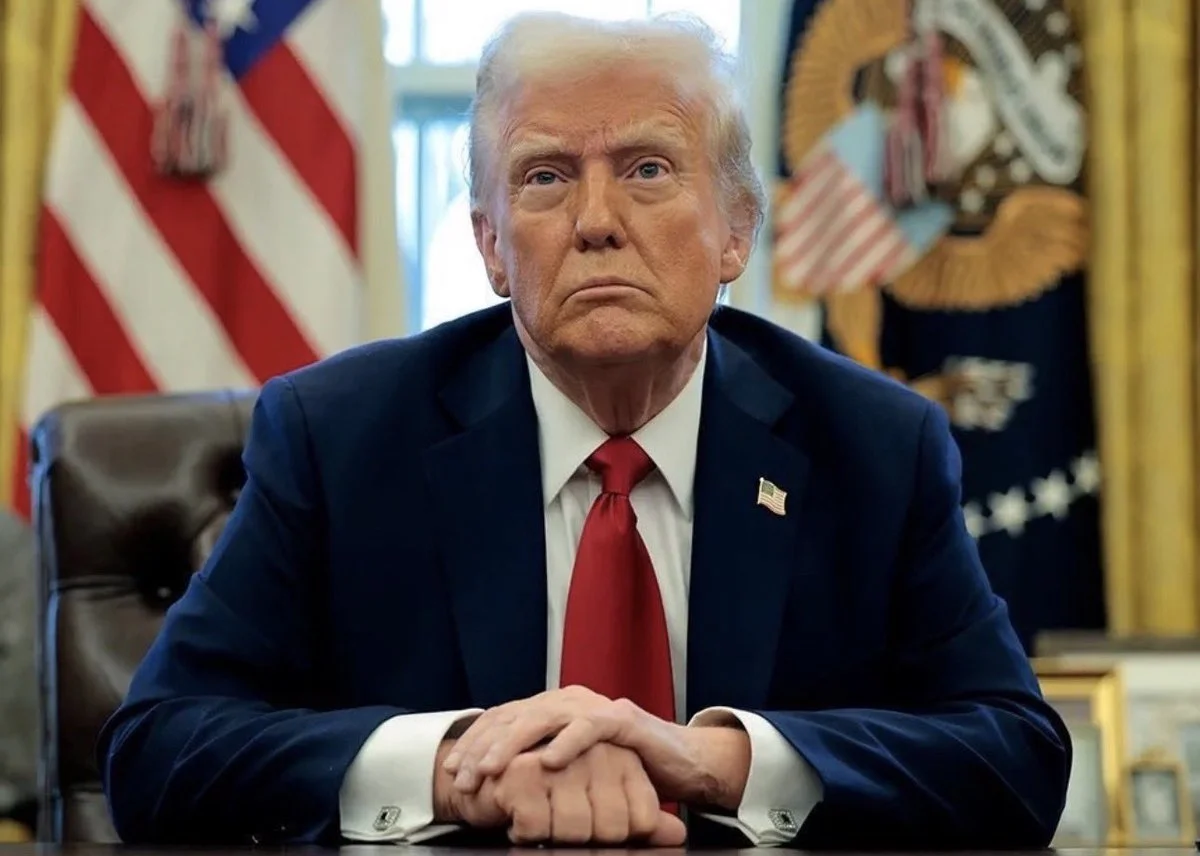

President Donald Trump flatly denied reports of a $300 billion payment to Iran by the United States, calling the claim fake news. The statement appears to address a circulating narrative — likely tied to broader speculation around US-Iran nuclear or sanctions negotiations — that Washington had agreed to a large financial transfer to Tehran.
No such payment appears in any official US government record or congressional authorization. Trump's denial is direct and unhedged, which is notable given the scale of the figure being circulated.
Why it matters
Large, unverified financial claims tied to geopolitical negotiations can move markets — particularly oil, defense equities, and risk sentiment around Middle East exposure. A rumored $300 billion transfer to Iran, if believed, would carry significant implications for sanctions architecture, dollar-denominated energy flows, and US foreign policy credibility.
Market impact
With Trump explicitly labeling the claim fake news, any short-term market reaction driven by the rumor should unwind quickly. Traders monitoring Iran-related geopolitical risk — oil prices, defense sector positioning, or emerging-market sentiment tied to sanctions relief expectations — should treat this as a non-event unless a credible official source surfaces contradicting the denial.
Frequently asked questions
-
What exactly did Trump deny regarding a payment to Iran?
Trump denied that the United States agreed to or made a $300 billion payment to Iran, calling the claim fake news. No such transfer appears in any official US government record or congressional authorization.
-
Where did the $300 billion Iran payment claim originate?
The seed does not identify a specific origin, but the claim appears tied to broader speculation around US-Iran nuclear or sanctions negotiations circulating on social media and news channels.
-
Could a rumor of this scale affect oil or defense markets?
Yes. Large unverified financial claims linked to Iran can briefly move oil prices, defense equities, and emerging-market assets sensitive to Middle East geopolitical risk and sanctions architecture, even before official confirmation or denial.
-
Does Trump's denial settle the matter for markets?
A direct, unhedged White House denial is typically sufficient to unwind short-term rumor-driven moves. Traders should treat this as a non-event unless a credible official source contradicts the denial.
-
What would a genuine $300B US payment to Iran mean for sanctions policy?
A transfer of that scale would require congressional authorization and would represent a fundamental restructuring of US sanctions architecture against Iran, with major implications for dollar-denominated energy flows and US foreign policy credibility.
 CoinTelegraph
 CryptoSlate
 CoinDesk
 Crypto News
 WuBlockchain