








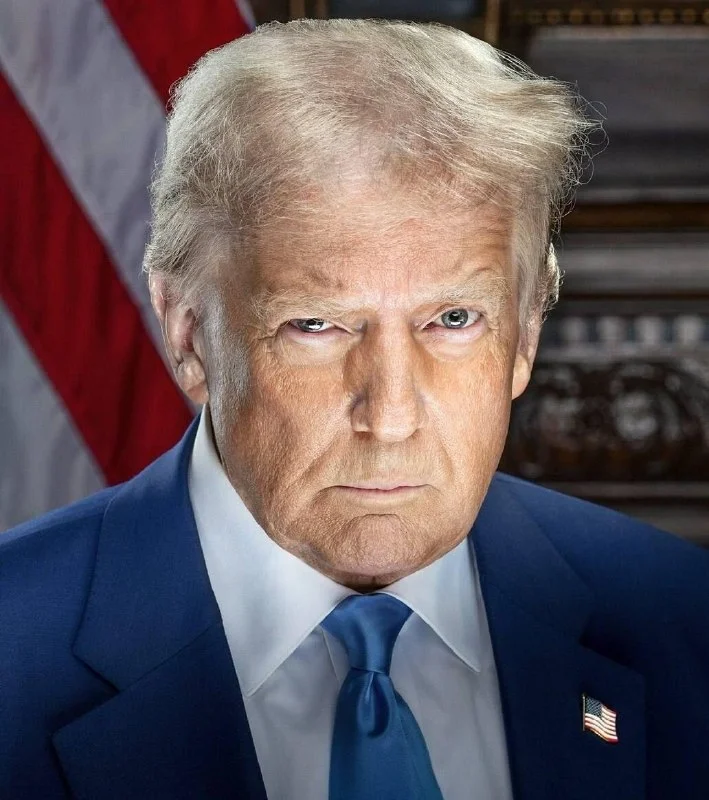
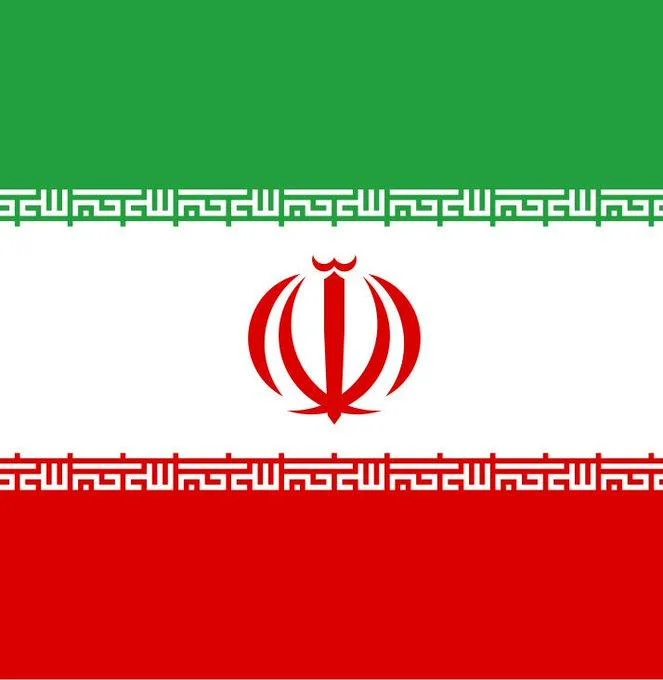
President Donald Trump declared that any damages to US ships, cargo, or related assets would be paid for using Iranian funds currently held and controlled by the United States. The statement, posted on Truth Social, frames frozen Iranian assets as a ready reserve to cover maritime losses tied to the ongoing Iran-US standoff in the Persian Gulf.
Why it matters
The threat reframes Tehran's blocked dollar reserves, long a point of leverage in nuclear and sanctions talks, as a payment mechanism for kinetic outcomes at sea. Shipping insurers, already pricing war-risk premiums at multi-year highs for transits through the Strait of Hormuz, now face a US administration publicly committing to escalate before the first incident, not after. Any actual seizure would also test the legal architecture around Iranian central bank assets held abroad, an issue that has dragged through Dutch and Luxembourg courts for years.
Market impact
Brent crude and tanker freight rates tend to be the first-order read on Hormuz risk, with defense names and gold secondary. Crypto has historically shown a short-duration risk-off bid alongside equities in the first hours of escalation headlines, then decouples within a session unless the event broadens into a broader regional conflict or a sanctions enforcement action that hits oil flows directly.
Frequently asked questions
-
What did Trump actually say about Iranian funds?
Trump posted that any damages to US ships, cargo, or anything related would be paid for using Iranian money the United States holds and controls. He framed Tehran's frozen reserves as a payment mechanism for maritime losses rather than a sanctions tool.
-
Why is this a market-moving statement?
It widens the Strait of Hormuz risk envelope from tanker insurance pricing into a direct US-Iran payment standoff. Shipping insurers, oil traders, and defense stocks price conflict on the probability of escalation, and an explicit pre-incident threat raises that probability.
-
How much Iranian money does the US actually control?
The US has blocked Iranian central bank and government assets held at foreign banks and through domestic sanctions enforcement, though exact totals shift with each round of designations. The legal status of those funds has been litigated in Dutch and Luxembourg courts for years.
-
What does this mean for oil and tanker rates?
Brent crude and tanker freight rates are the first-order read on Hormuz risk, with war-risk premiums already at multi-year highs. Any move that raises the chance of an actual kinetic incident tends to spike both within hours.
-
Does crypto usually react to geopolitical escalation?
Crypto historically catches a short risk-off bid alongside equities in the first hours of escalation headlines, then decouples within a session unless the event broadens into sustained regional conflict or sanctions enforcement that hits oil flows directly.

 WatcherGuru
 WuBlockchain
 TheBlock
 Altcoin Daily
 CryptoSlate