








 CoinDesk
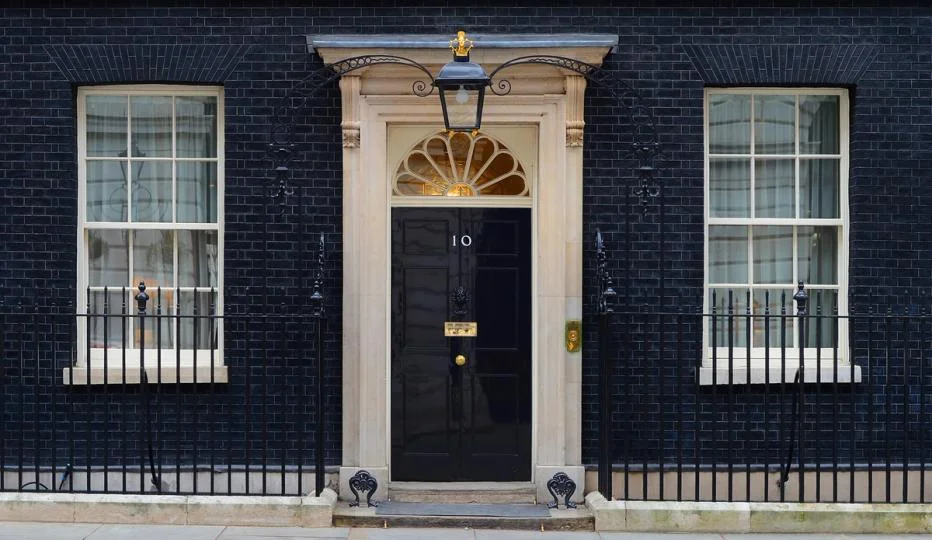



Britain's plan to issue its first tokenized sovereign bond by early 2027 through HSBC and the London Stock Exchange Group is running into the same wall that has stalled institutional digital-bond adoption since Santander's 2019 GBP tokenized corporate bond: a missing onchain settlement asset. Without a creditworthy pound-pegged stablecoin to move cash leg-for-leg against the tokenized gilt, programmable bonds cannot settle, collateral cannot migrate between venues, and intraday repo cannot compress. Varun Paul, the global business lead for central banks and financial market infrastructure at Fireblocks, said the initiative has enough institutional backing across HM Treasury, the Bank of England and the Financial Conduct Authority that political turnover at 10 Downing Street is unlikely to reverse it. Jannah Patchay, founder of Markets Evolution, said onchain cash is the prerequisite. A Wholesale Digital Markets Champion report led by former FCA board member Christopher Woolard projects global tokenized real-world assets could grow to $88 trillion by 2035.
Why it matters
The pilot signals a sovereign issuer is willing to push past the back-office argument and treat tokenized debt as live market plumbing. The unresolved piece is structural rather than technical: the U.K. has just four pound-pegged stablecoins listed by CoinGecko, led by TGBP at roughly $34.2 million in market cap, against a global stablecoin base near $300 billion. Until that orders of magnitude gap closes, even a successful issuance has no clean way to settle in sterling on a distributed ledger. Existing U.K. settlement finality laws also do not recognise distributed-ledger transactions, creating a legal reversal risk if a participant becomes insolvent. Crypto-specific rules are not scheduled to take effect until October 2027, six months after the pilot window opens.
Market impact
A working onchain gilt would do more than modernise issuance. The U.K. gilt market sees aggregate daily trading volumes above 45 billion pounds, and Barclays has argued the real prize is what digital government bonds unlock downstream: repo and collateral mobility across secondary markets.
Frequently asked questions
-
What is the UK digital gilt pilot and when does it launch?
Britain plans to issue its first tokenized sovereign bond by early 2027 through HSBC and the London Stock Exchange Group, with cross-institutional backing from HM Treasury, the Bank of England and the Financial Conduct Authority.
-
Why does onchain cash settlement matter for tokenized bonds?
Tokenized gilts cannot settle leg-for-leg in sterling without a creditworthy pound-pegged stablecoin, which is the prerequisite for programmable bonds, collateral mobility across venues and compressed intraday repo.
-
How developed is the pound stablecoin market today?
CoinGecko lists just four pound-pegged stablecoins, with TGBP the largest at roughly $34.2M in market capitalization, against a global stablecoin base of about $300B.
-
Could recent UK political turnover derail the tokenized gilt plan?
Fireblocks' Varun Paul said the project has enough institutional momentum across HM Treasury, the BoE and the FCA that political turnover at 10 Downing Street is unlikely to reverse it.
-
What is the projected upside if the tokenized gilt market scales?
The Woolard-led Wholesale Digital Markets Champion report projects global tokenized real-world assets could reach $88 trillion by 2035 and estimates successful UK scaling could lift annual economic output by up to 33 billion pounds.
 CoinTelegraph
 WatcherGuru
 Crypto News
 CryptoSlate
 TheBlock
 WuBlockchain
 Altcoin Daily