


 CryptoSlate
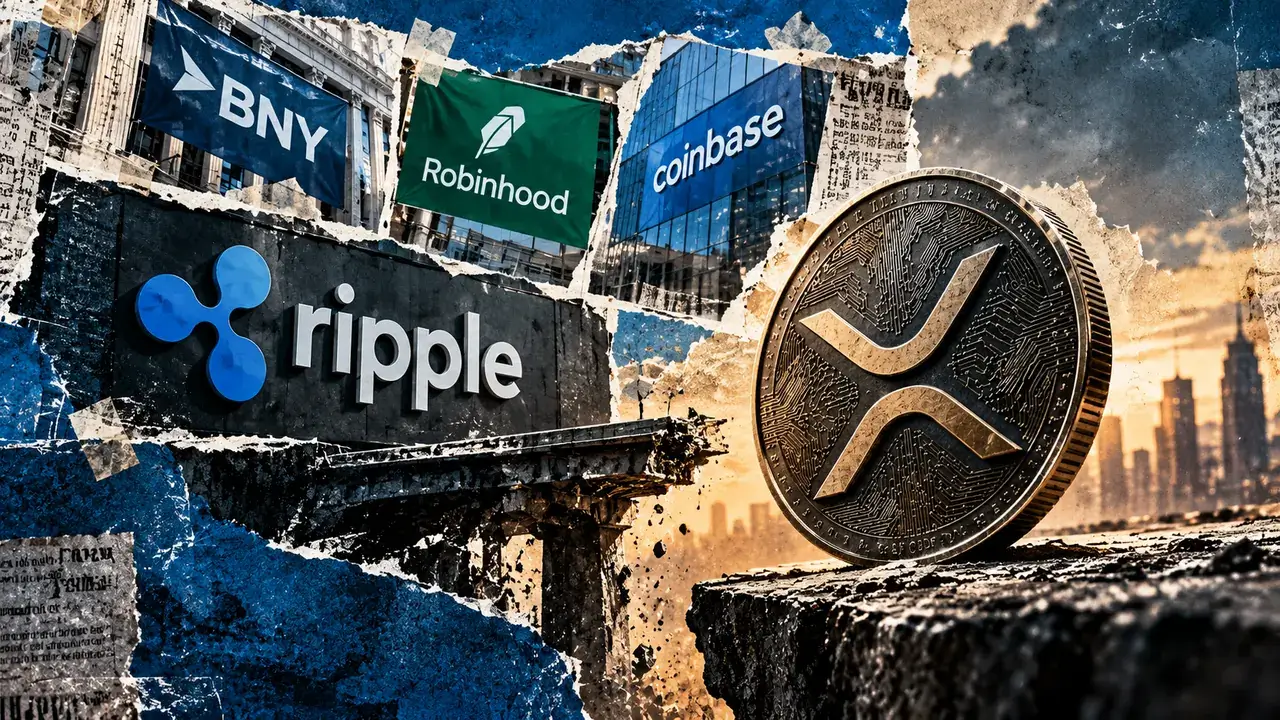


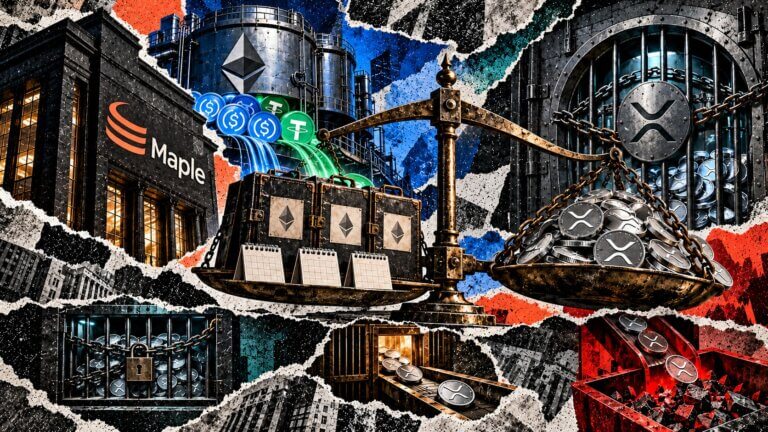
Ripple says its products enabled more than $16 trillion in transactions during 2025, but that figure covers its broader business, not just payments routed through XRP. Its recent partner announcements include support for both XRP and RLUSD, while several services plan to settle in the dollar-backed stablecoin. The deals can expand Ripple’s business without creating equivalent demand for XRP.
Why it matters
Ripple sells financial software, custody and payment services, but XRP holders have no claim on the company’s revenue. Its projected $900 million annualized revenue pace at year-end reflects multiple products and acquired businesses, not earnings shared with token holders. Ripple’s national trust bank approval also expands its institutional services, including custody and RLUSD-related reserve management, without requiring customers to buy XRP.
The distinction shows up in the partnerships. BNY supports XRP and RLUSD custody, making both assets accessible to eligible institutional clients, but disclosed no client XRP balances. Robinhood plans to use RLUSD for institutional settlement and integrate Ripple Treasury into cash management. Coinbase added RLUSD across its platforms, while DriveWealth and C2FO are also pursuing RLUSD settlement. C2FO’s planned service would use the XRP Ledger, but businesses would not need to buy XRP equal to the value of payments; only the network fee is paid in XRP.
Market impact
At the ledger’s documented minimum fee, one million standard transactions consume 10 XRP. Fees are burned, and account reserves create some baseline need, but neither scales as a share of payment value. XRP used as a bridge can be reused across transfers, so higher payment volume does not automatically mean providers must hold an equivalent dollar value in tokens. Larger balances may be needed when liquidity is thin or payments arrive together, but the announcements do not disclose inventory requirements or XRP-routed volumes.
There are signs of measurable ownership and use, but they do not resolve the demand question. Bitwise’s XRP ETF held about 413.8 million XRP on Oct. 27, up from 131.2 million at the end of December 2025; the figures include tokens contributed for new fund shares, not only open-market purchases. Ripple’s reported $16 trillion volume and new custody access are therefore not direct measures of XRP buying. The missing signal is how much XRP partners actually route and need to keep available.




Frequently asked questions
-
Does Ripple’s $16 trillion figure represent payments made using XRP?
No. Ripple says the figure covers transactions enabled across its broader business during 2025, not just payments settled in XRP.
-
Why can RLUSD partnerships expand Ripple’s business without matching XRP demand?
Businesses can use Ripple services or settle in RLUSD without buying XRP equal to their payment value. The XRP Ledger fee is paid in XRP, but it is small relative to transaction value.
-
How much XRP would one million standard XRP Ledger transactions consume?
At the documented minimum fee, one million standard transactions consume 10 XRP. The fees are permanently burned.
-
What did Bitwise’s XRP ETF holdings show, and what is a limitation of that measure?
The fund held about 413.8 million XRP on Oct. 27, up from 131.2 million at the end of December 2025. The holdings include XRP contributed for newly issued shares, not only tokens bought on the market.
-
What information would help investors assess whether the partnerships increase XRP demand?
Disclosures of XRP-routed payment volumes and the balances providers need to keep available would help show whether activity requires more XRP or can be supported by faster reuse of existing tokens.
 WuBlockchain
 Altcoin Daily
 CoinTelegraph
 Lookonchain
 Crypto News
 Whale Alert