








 CoinDesk
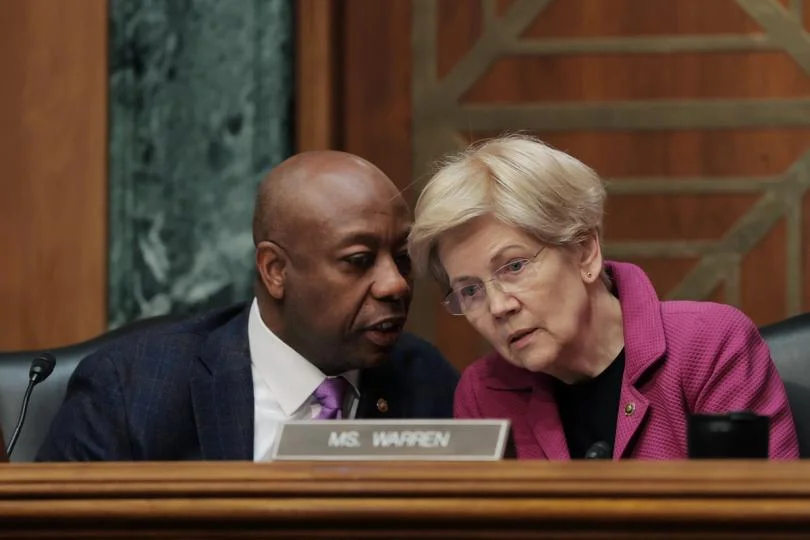



The Senate Banking Committee voted 15-9 to advance the Digital Asset Market Clarity Act (CLARITY) out of markup on Tuesday, clearing the path to a Senate floor vote and pairing the bill with the already-passed GENIUS Act to assemble the first comprehensive U.S. digital-asset framework. Chairman Tim Scott, alongside Senators Cynthia Lummis, Thom Tillis, Angela Alsobrooks, Ruben Gallego, Bill Hagerty and Bernie Moreno, led the push to reconcile the stablecoin-yield dispute that nearly stalled the markup.
Why it matters
The markup was the strongest bipartisan signal to date that Washington's stance on digital assets has shifted from defensive to constructive. Senator Alsobrooks framed the bill as a generational obligation — citing her twenty-year-old daughter's generation as the reason Congress must "regulate it to create rules of the road." Treasury Secretary Scott Bessent captured the structural stakes by calling stablecoins alone "a foundation without walls" absent a market-structure bill, and the markup vote suggests a path to that bill is now real.
Market impact
New Harris polling cited at the hearing shows roughly 68 million Americans — about one in five — already own digital assets, a figure up 12 million in the past year, with a third of holders Gen Z and another third millennials. Eighty-three percent of American holders back stronger regulation, yet 88% of global crypto exchange activity still runs on foreign venues beyond U.S. supervision. Pairing CLARITY's market-structure, trading-platform oversight and asset-classification provisions with GENIUS's payment-rail framework is what bridges that gap — and gives the industry the federal perimeter it has asked for to move significant activity back onshore.

 WatcherGuru
 CoinTelegraph
 CryptoSlate
 TheBlock
 Crypto Capital Venture