








 CoinDesk
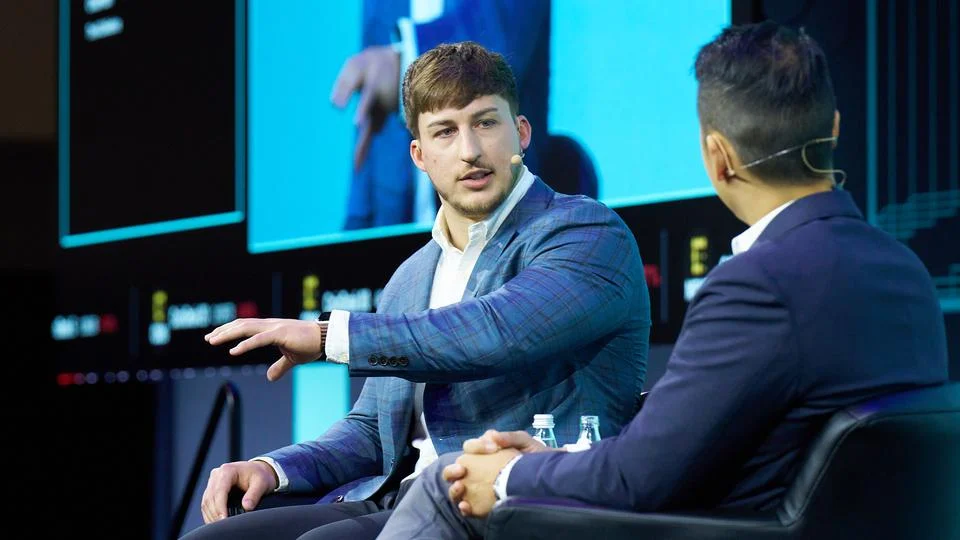

Autonomous software agents may end up being crypto's most natural users, former Apple engineer Chappy Asel argued at Consensus Miami, because they don't need onboarding tutorials, seed-phrase backups, or a friendly MetaMask UX to transact. Speaking as founder of The AI Collective — a global AI nonprofit with more than 200,000 members across 150+ chapters — Asel said the real convergence between the two industries is less about chatbots and more about programmable payment rails for machines that make economic decisions on behalf of humans.
Why it matters
The thesis reframes crypto's longstanding consumer adoption problem. Humans have consistently bounced off wallets, gas fees, and key management; autonomous agents do not, and they can natively execute the kind of micro-sized, low-latency, programmatic transactions that stablecoins and smart contracts are already built for. Asel said even AI-only friends at the conference had heard the phrase "agentic payments" — a signal, he suggested, that the narrative has crossed the technical community and is waiting on infrastructure rather than demand.
Still, the use case is mostly theoretical. Most companies today still route through centralized APIs and conventional payment processors, and the agentic-payments layer has not generated meaningful commercial activity yet. The timeline for machine-to-machine commerce becoming real volume is open, and Asel was candid that the pieces are still nascent.
Market impact
The more investable near-term overlap, in Asel's framing, is infrastructure: compute, data centers, and energy. Several bitcoin miners have spent the past year repositioning into AI hosting and high-performance computing, betting that mining-built capacity can be repurposed for AI workloads. The competitive advantage in the AI economy is shifting to whoever controls chips, power, and data center capacity — a structural demand pull that crypto's energy and infrastructure footprint is uniquely positioned to serve, well before agentic payments become a live market.

Frequently asked questions
-
Who is Chappy Asel and why does his AI-crypto thesis matter?
Asel is a former Apple engineer who worked on Vision Pro and early Apple Intelligence, and founder of The AI Collective, a global AI nonprofit with 200,000+ members across 150+ chapters. His Consensus Miami argument matters because it reframes crypto's adoption problem around autonomous agents rather than consumers.
-
What are 'agentic payments' and how would crypto enable them?
Agentic payments are micro-sized, low-latency, programmatic transactions between autonomous software agents. Stablecoins offer 24/7 settlement and smart contracts allow programmable execution, which Asel argues is the only practical way machine-to-machine commerce can run without a human in the loop.
-
How much real demand exists for agentic payments today?
Very little. The seed reports that attempts to build agentic-payments infrastructure have so far generated almost no meaningful commercial activity, and most companies still rely on centralized APIs and traditional payment systems.
-
What is the near-term overlap between crypto and AI, according to Asel?
Compute, data centers, and energy. Asel said the competitive advantage in AI is shifting to whoever controls chips, power, and data center capacity, and several bitcoin miners have spent the past year repositioning into AI hosting and high-performance computing to capture that demand.
-
Could AI agents actually solve crypto's user adoption problem?
Asel's argument is yes — agents don't need onboarding tutorials, aren't intimidated by MetaMask, and don't need help remembering seed phrases, so they are a more natural fit for crypto rails than human consumers. The thesis is still early and mostly theoretical, but it reframes who crypto's end user could be.
 WatcherGuru
 CoinTelegraph
 Crypto News
 TheBlock