








 CoinDesk
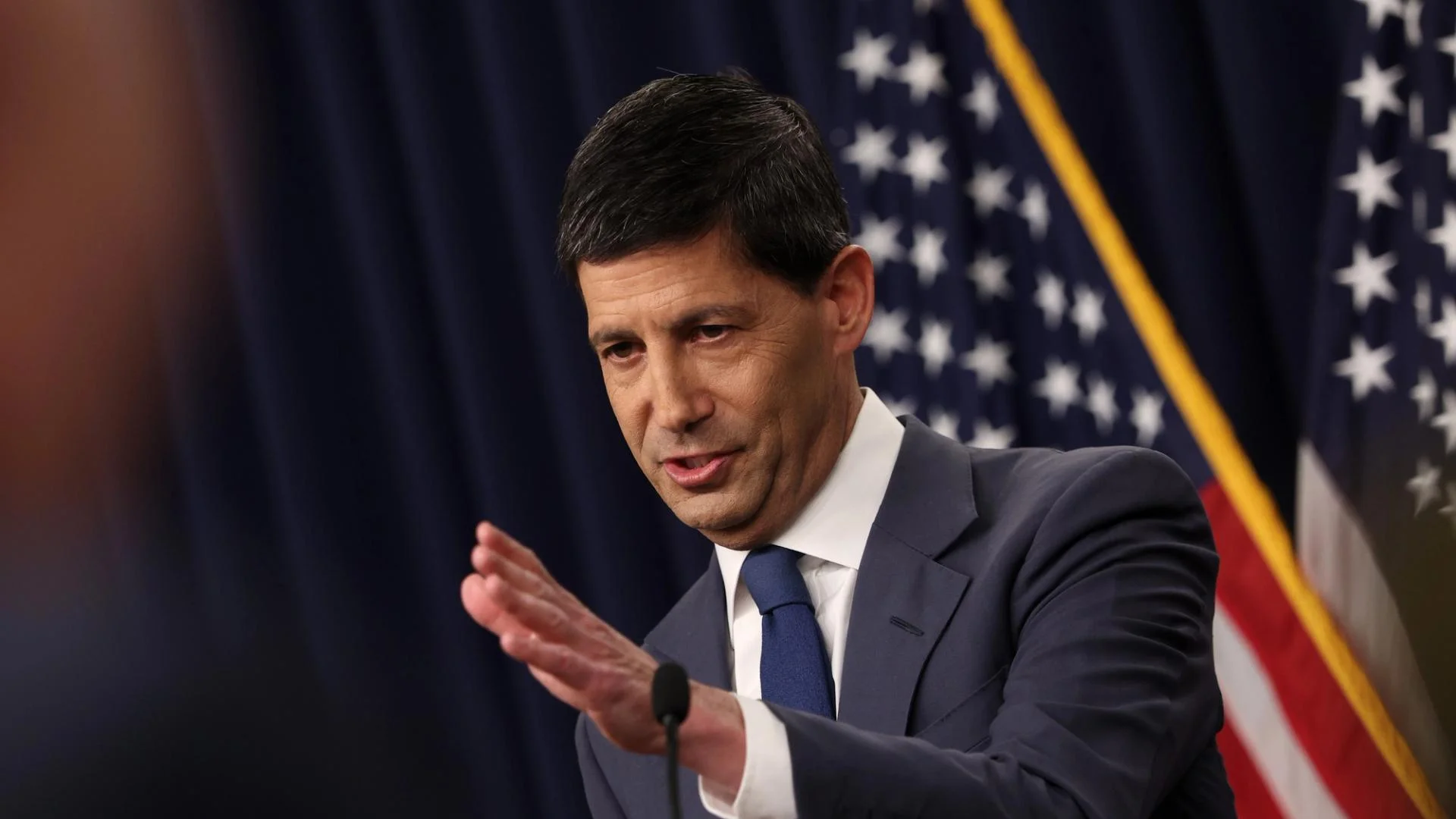


Fed Chair Kevin Warsh is scheduled to deliver the keynote at the Kansas City Fed's Jackson Hole symposium on Friday morning, with markets focused on whether he leaves another rate hike in play. The Fed has held its benchmark fed funds rate range at 3.50%-3.75% in recent months, while July's PCE inflation reading reached 3.7%, above the central bank's 2% target. Long-term borrowing costs are near multi-year highs, making the speech a test of how markets read the Fed's policy and liquidity outlook.
Why it matters
Risk Dimensions CIO Mark Connors expects Warsh to emphasize his broader overhaul of the Fed, including how it measures inflation and communicates with markets, rather than preview a specific rate move. Connors expects the chair to leave a hike on the table, but says the Fed will hold rates steady until after the November midterm elections. Traders raised their bets on a September hike after the latest PCE report, so the gap between market pricing and Connors' forecast is part of Friday's risk.
Hashdex CIO Samir Kerbage says Bitcoin's response is tied less directly to the September decision than to global liquidity and the level of long-term yields. He describes the long end of the curve as the same channel that drives gold, giving crypto traders a broader macro signal to follow than the policy rate alone.
Market impact
The Treasury said last week that it would increase purchases of long-dated government debt after the 30-year Treasury yield hit a 19-year high. The announcement helped cool the bond sell-off and fueled Bitcoin's move higher. Kerbage called that rally "mostly a liquidity event," a framing that puts the yield curve and funding conditions at the center of the crypto read.
Jackson Hole's theme this year centers on financial innovation, payments and policy. That puts stablecoins, tokenized deposits and faster settlement systems in the conversation alongside rates. If Warsh treats those technologies as part of the financial system rather than risks to contain, the effect could extend beyond Bitcoin to smart-contract networks and protocols handling tokenized payments and settlement.

Frequently asked questions
-
What inflation reading is shaping expectations for Warsh's speech?
July PCE inflation reached 3.7%, above the Fed's 2% target. The reading pushed traders to raise their bets on a September hike.
-
What does Mark Connors expect the Fed to do before the midterms?
Connors expects Warsh to leave a rate hike on the table but says the Fed will hold rates steady until after the November midterm elections.
-
Why does Kerbage focus on liquidity and long-term yields for Bitcoin?
Hashdex CIO Samir Kerbage says Bitcoin responds less directly to the September decision than to global liquidity and the level of long-term yields, the same channel that drives gold.
-
How did the 30-year Treasury yield affect the recent Bitcoin move?
After the 30-year yield hit a 19-year high, the Treasury said it would increase purchases of long-dated debt. The announcement cooled the bond sell-off and fueled Bitcoin's move higher.
-
Which crypto areas could react to Warsh's view of financial innovation?
Stablecoins, tokenized deposits and faster settlement are in focus. A stance that treats them as part of finance rather than risks to contain could matter most for smart-contract networks and tokenized-payment protocols.
 WatcherGuru
 CoinTelegraph
 Benjamin Cowen
 TheBlock
 Altcoin Daily
 CryptoSlate
 Glassnode