








 CoinDesk
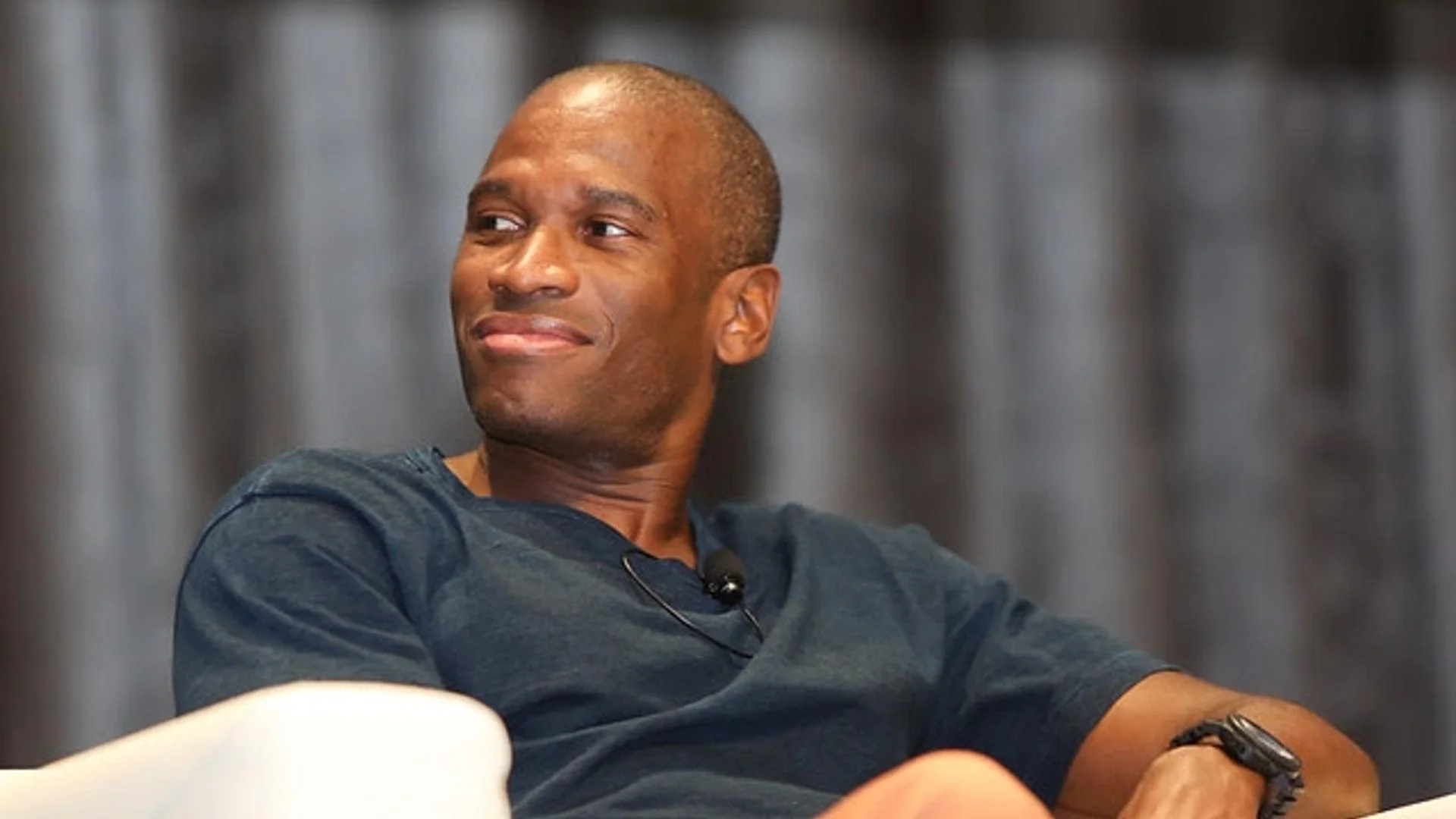



BitMEX halted trading, deposits and new positions at 04:00 UTC Tuesday, ending an 11-year run for the exchange that helped invent perpetual futures. Users can still log in and withdraw balances through the platform's website, but KYC-verified accounts that leave funds on the exchange now face a monthly fee: an annualized 1% of assets or a $50 minimum, whichever is greater. Co-founded by Arthur Hayes, Ben Delo and Samuel Reed in 2014, BitMEX announced the wind-down in July after parent HDR Global Trading's strategic review.
Why it matters
BitMEX's closure marks the symbolic exit of a venue that did more than any other to legitimize leveraged crypto derivatives. The perpetual swap, an instrument BitMEX essentially built and popularized in the late 2010s, is now the dominant product in crypto trading. Centralized exchange derivatives cleared $3.4 trillion in August alone, on pace for $50 trillion over a year per CoinDesk research, a figure that dwarfs anything BitMEX moved even at its peak.
The exchange's decline tracked a broader shift in market structure. BitMEX once held a near-monopoly on offshore leveraged crypto trading, but as regulated venues such as CME and offshore heavyweights including Binance, OKX and Bybit scaled derivatives books, BitMEX's market share compressed steadily. Its founders stepped back from day-to-day operations after the 2020 CFTC settlement, and the company never recovered its institutional positioning.
Market impact
The fee structure on dormant balances is the most concrete read for users. Anyone who does not withdraw faces a monthly drag that exceeds what most regulated venues charge for active custody, and the threshold applies to every verified account regardless of size. Withdrawals remain available without a published cutoff date, but the message is unmistakable: the venue is clearing its books, not pausing for a relaunch.
BitMEX's shutdown, paired with BitMart's July announcement after nine years in business, signals consolidation pressure on second-tier centralized venues.

Frequently asked questions
-
Why is BitMEX shutting down?
Parent HDR Global Trading announced the wind-down in July after a strategic review flagged BitMEX's slide in the perpetuals market it helped create. The exchange had been losing market share to regulated and offshore competitors since 2020.
-
Can users still withdraw funds from BitMEX?
Yes. Users can still log in and withdraw balances through the platform's website. Trading, deposits and new positions were halted at 04:00 UTC Tuesday.
-
What fees apply to dormant BitMEX balances?
KYC-verified accounts that leave balances on the exchange face a monthly fee set at an annualized 1% of assets or a $50 minimum, whichever is greater. The threshold applies regardless of account size.
-
How big is the perpetuals market BitMEX helped create?
Centralized crypto-exchange derivatives cleared $3.4 trillion in August alone, on pace for $50 trillion over a year per CoinDesk research. That figure dwarfs anything BitMEX still moves today.
-
Who founded BitMEX?
Arthur Hayes, Ben Delo and Samuel Reed co-founded BitMEX in 2014. The exchange pioneered perpetual swap contracts, which became the dominant instrument in crypto derivatives trading.
 Crypto News
 Lookonchain
 CoinTelegraph
 Crypto Capital Venture
 TheBlock
 Crypto Rank News