








 CoinDesk
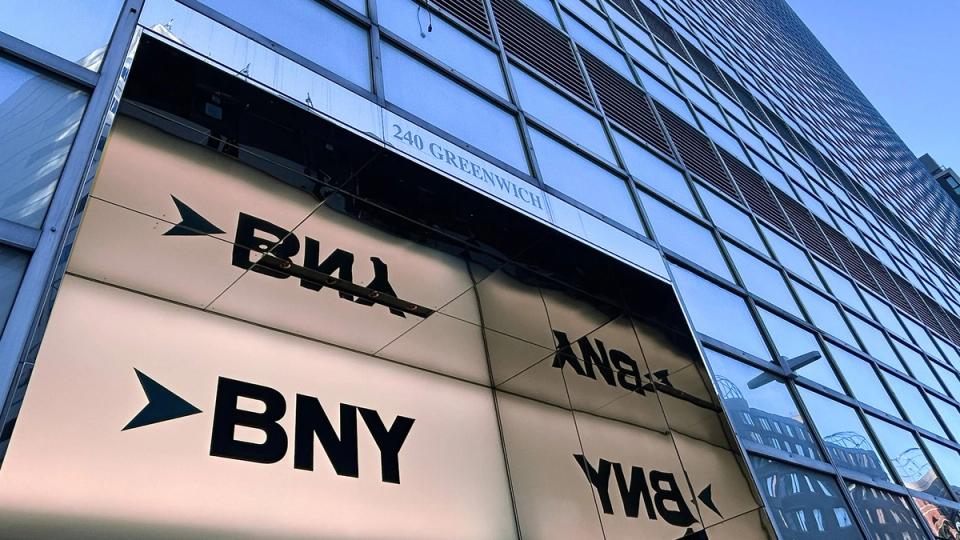


BNY, the world's largest custodian with $59 trillion in assets under custody and administration, is expanding digital-asset custody into the United Arab Emirates through partnerships with local firms Finstreet and ADI Foundation, anchoring the build in the Abu Dhabi Global Market financial free zone. The initial focus covers custody for bitcoin (BTC) and ether (ETH), with plans to layer in stablecoins and tokenized assets once the regulated infrastructure is live. The expansion makes BNY the first major US globally systemically important bank to plant a digital-asset footprint in ADGM, pairing the bank's institutional scale with the UAE's regulatory framework for tokenized finance.
Why it matters
BNY was already the first major US G-SIB to launch digital-asset custody at home — extending that capability into ADGM is a different signal than a domestic product launch. The bank's Hani Kablawi, executive vice chair, framed the move as connecting traditional and digital financial ecosystems, but the more important read is regulatory: the UAE built a sandbox designed to attract exactly this kind of legacy-custodian entry, and BNY is the largest counterparty that could have validated it. The free zone has spent two years pulling in crypto exchanges, stablecoin issuers and tokenization startups; a $59T custodian joining the stack is the legitimizing vote the ecosystem was waiting for.
Market impact
The Gulf is consolidating around two complementary digital-asset centers — Abu Dhabi's institutional, custody-heavy stack and Dubai's more exchange- and venture-oriented footprint. BNY's entry deepens the institutional lane and gives tokenization platforms a counterparty they can underwrite to. State-level conviction is already visible: IHC and other UAE institutions recently unveiled plans for a regulated dirham-backed stablecoin aimed at government and institutional use. With a G-SIB-scale custodian now sitting inside ADGM, the next leg of the Gulf's tokenization thesis — real-world assets and dirham settlement rails — has the balance-sheet infrastructure to move from pilot to production.


Frequently asked questions
-
What is BNY launching in Abu Dhabi?
BNY is expanding its digital-asset custody business into the UAE through local partners Finstreet and ADI Foundation, with the infrastructure anchored in the Abu Dhabi Global Market financial free zone. The initial focus covers bitcoin and ether custody, with stablecoins and tokenized assets to follow.
-
Why does BNY's UAE move matter for crypto markets?
BNY oversees $59 trillion in client assets and was the first major US globally systemically important bank to launch digital-asset custody. Extending that capability into ADGM is the legitimizing vote the UAE's tokenization ecosystem was waiting for, pairing a top-tier balance sheet with the free zone's regulatory…
-
Which assets will BNY custody in the UAE first?
The bank will initially offer custody for bitcoin (BTC) and ether (ETH). Plans call for later expansion into stablecoins and tokenized assets once the regulated infrastructure is operational.
-
How does the UAE fit into global tokenization?
Abu Dhabi and Dubai have attracted crypto exchanges, stablecoin issuers and tokenization startups with regulatory frameworks tailored to digital assets while keeping institutional oversight. State-backed initiatives include a dirham-backed stablecoin unveiled recently by IHC and other local institutions for government…
-
What is the Abu Dhabi Global Market (ADGM)?
ADGM is a financial free zone in Abu Dhabi that has become a hub for crypto firms and blockchain projects entering the Middle East. BNY's digital-asset infrastructure will be anchored inside ADGM, giving it access to the free zone's digital-asset regulatory perimeter.
 WuBlockchain
 CoinTelegraph
 CryptoSlate
 WatcherGuru
 Lookonchain
 TheBlock