








 CoinDesk
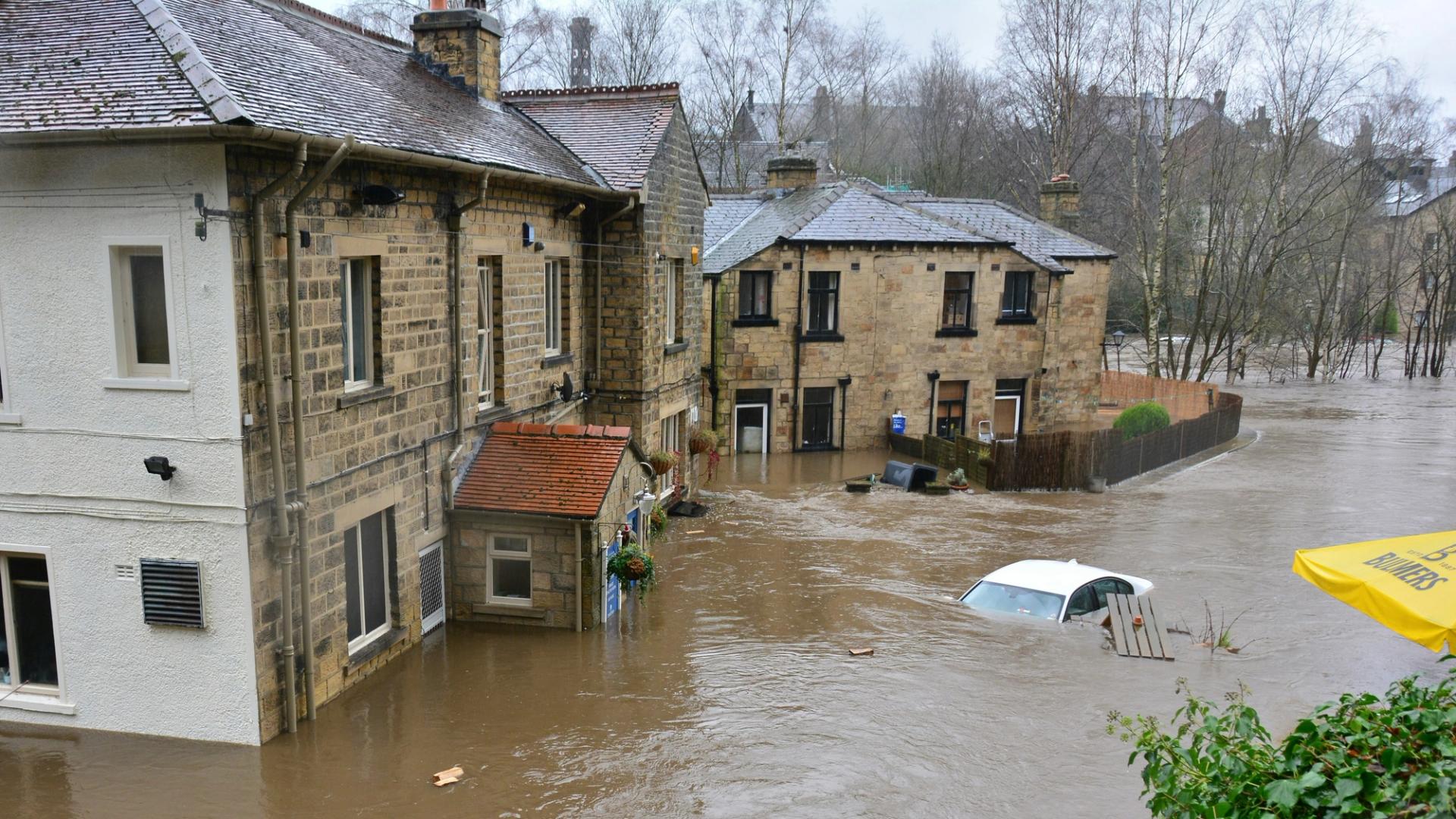


Harneys and droppRWA are preparing what they call the first catastrophe bonds whose ownership is recorded directly on a blockchain, with a first issuance targeted for early 2027. The structure, developed under Bermuda law, would make the blockchain itself the legally enforceable ownership record rather than a token pointing to an offchain bond. Minimum investments could fall from the typical $250,000 to roughly $5,000, and reconciliation timelines compress from days to seconds, subject to required regulatory approvals.
Why it matters
The structural question is not whether cat bonds can be tokenized; it is whether the blockchain itself becomes the legally enforceable ownership record. Edwin Mata, CEO and co-founder of tokenization firm Brickken, framed the distinction bluntly: "The issue isn't whether you can put a catastrophe bond on a blockchain. It's whether the blockchain becomes the legal ownership record. If it does, transferring the token transfers legal title. If it doesn't, you are only moving a digital version of an asset recorded somewhere else." Henry Mander, partner and global head of trusts and private wealth at Harneys, said the firm's Bermuda structure would put legal title to the bond directly with the investor, not a wrapper around an offchain asset.
Market impact
The cat bond market totals $65.6 billion today, and the second quarter of 2026 set an all-time issuance record of $11.3 billion across 48 transactions. Bermuda dominates the venue landscape: the Bermuda Stock Exchange carried 93% of global cat bond issuance in 2025 and listed $70.5 billion of cat bonds and insurance-linked securities at the end of Q2 2026. A successful live test in 2027 would land inside a broader RWA tokenization sector that has nearly tripled in a year to more than $33 billion, with Citi estimating the sector could reach $5.5 trillion by 2030. Any platform administrator role would be subject to licensing under Bermuda's Digital Asset Business Act 2018, making regulatory clearance the gating factor between announcement and live settlement.
Frequently asked questions
-
What are catastrophe bonds?
Catastrophe bonds are specialized insurance-linked securities that pay investors a coupon but require them to cover losses if a predefined disaster such as a hurricane or earthquake occurs. They are prized for returns uncorrelated to financial or economic cycles.
-
How would onchain ownership differ from existing tokenization?
In most tokenized products, the token represents ownership of an asset held in a traditional offchain vehicle. The Harneys-droppRWA structure would make the blockchain itself the legally enforceable ownership record, so transferring the token transfers legal title directly.
-
How small could the minimum investment go?
Under the proposed structure, investors would buy a beneficial interest in a vehicle that holds the cat bond and passes income through. That structure could cut the typical $250,000 minimum down to roughly $5,000.
-
Who would issue the first deal and when?
Law firm Harneys and Bahamas-based tokenization platform droppRWA are jointly preparing the structure, with a first issuance targeted for early 2027. The platform administrator role would require licensing under Bermuda's Digital Asset Business Act 2018.
-
Why does this matter for the broader RWA tokenization sector?
Tokenized real-world assets have nearly tripled over the past year to more than $33 billion, and Citi estimates the market could reach $5.5 trillion by 2030. A successful legally-onchain cat bond would test whether blockchain can replace decades of offchain reconciliation infrastructure in a $65.6 billion insurance…
 CoinTelegraph
 WatcherGuru
 TheBlock
 WuBlockchain