








 CoinDesk
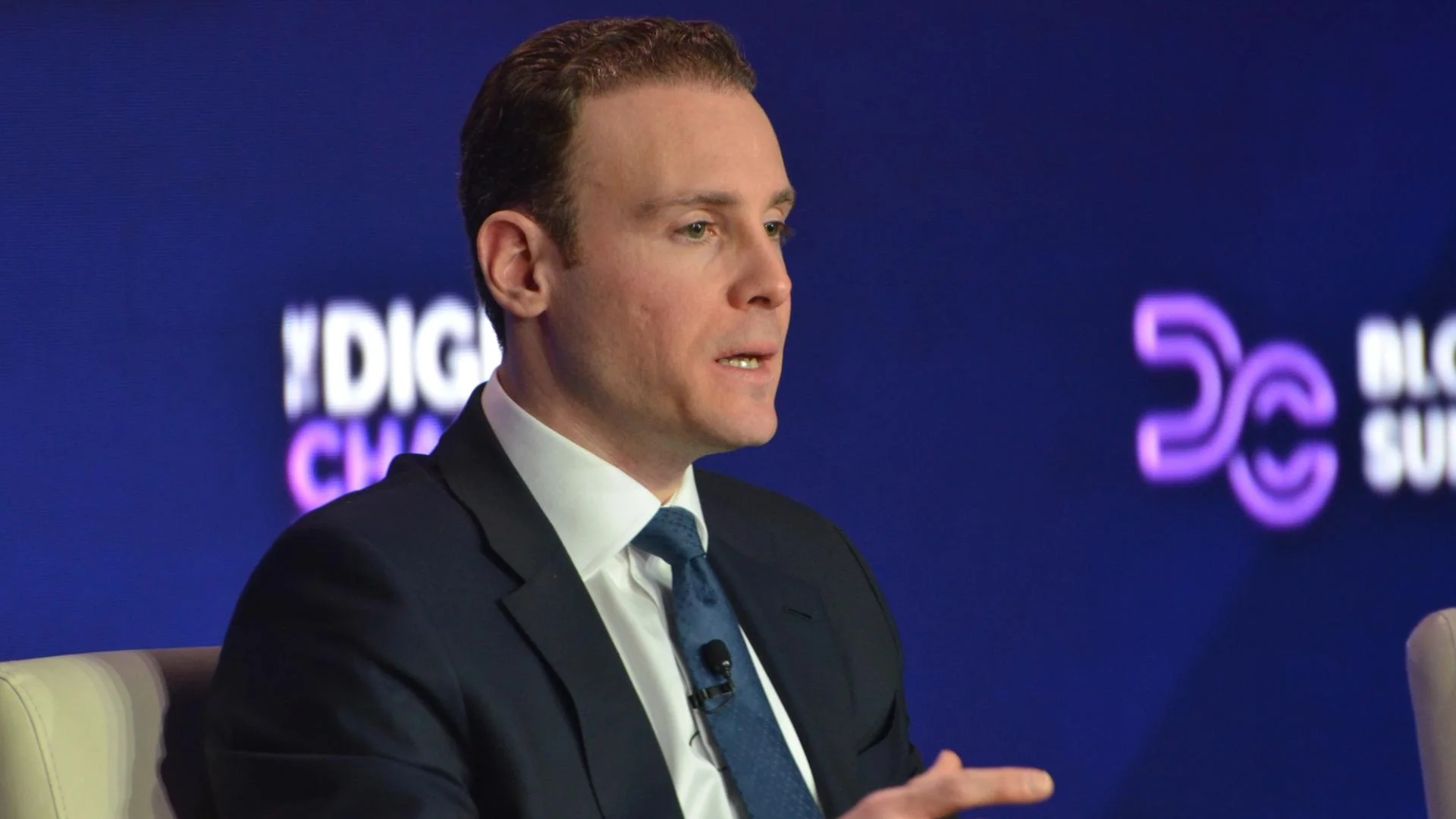



The CFTC has sent two proposed rules on prediction-market event contracts to the White House Office of Management and Budget for review. One would include event contracts in the regulatory definition of swaps; the other would exclude casino-style gambling products from what can qualify as a swap.
The proposals target a central dispute between the agency and states: whether contracts on sports and other events are federally regulated financial instruments or gambling products subject to state oversight. Platforms in the debate include Kalshi, Polymarket, Crypto.com and Robinhood.
Why it matters
The rules could strengthen the CFTC's argument that it has authority over event contracts and weaken states' position in lawsuits challenging prediction markets. The legal picture is unsettled: the Sixth and Eighth Circuits have ruled that Kalshi's sports contracts are not swaps and are subject to state gambling regulation, while the Third Circuit reached a different conclusion on CFTC jurisdiction.
Market impact
OMB review is generally a late step before proposed rules go out for public comment. An interim final rule, if adopted, could take effect immediately while remaining open to input and revision. The conflicting appeals court rulings leave open the possibility that the Supreme Court could eventually be asked to resolve the federal-state dispute.
The CFTC is operating with Chairman Mike Selig as its sole commissioner after President Donald Trump declined to nominate additional members. The agency has also submitted a separate crypto-regulation prerule to the White House, but has not described its scope.
Frequently asked questions
-
What do the CFTC's two proposed event-contract rules seek to change?
One would include event contracts in the regulatory definition of swaps. The other would exclude casino-style gambling products from what can qualify as a swap.
-
How could the proposals affect state challenges to prediction markets?
They could strengthen the CFTC's claim to federal authority and weaken states' arguments that some event contracts are gambling products subject to state oversight.
-
Why are the courts divided over Kalshi's sports contracts?
The Sixth and Eighth Circuits ruled the contracts are not swaps and are subject to state gambling regulation. The Third Circuit reached a different conclusion on CFTC jurisdiction.
-
What happens after the rules go through OMB review?
OMB review is generally a late step before proposed rules are submitted for public comment. An interim final rule could take effect immediately while remaining open to input and revision.
-
Who is currently leading the CFTC?
Chairman Mike Selig is the agency's sole commissioner. President Donald Trump has not nominated additional commissioners.
 CoinTelegraph
 TheBlock
 WatcherGuru
 Crypto Capital Venture
 WuBlockchain
 CryptoSlate
 Crypto News