


 CoinDesk
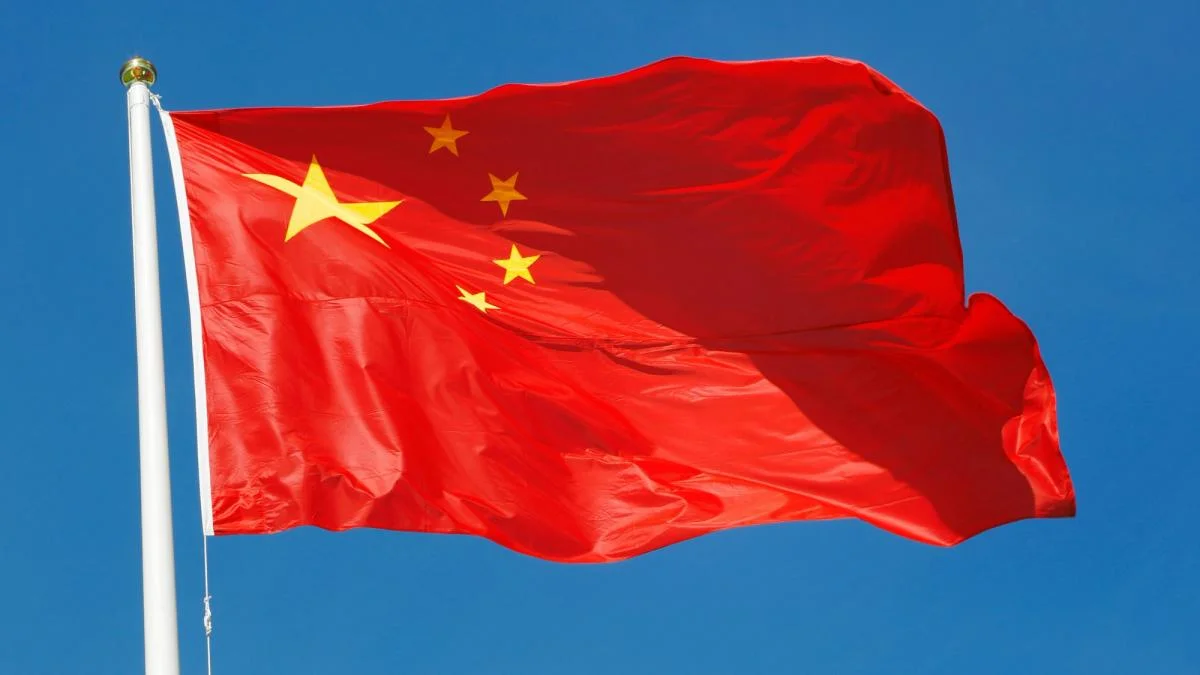


China’s Communist Party has called for a crackdown on corruption involving virtual currency, blockchain and cross-border funds. The reference appears in a Central Committee decision adopted on Oct. 29 and published in full by Xinhua on Nov. 1, as part of a broader drive for stricter discipline among Party members.
Why it matters
The directive calls for action against corruption carried out through the internet, virtual currency, cross-border funds, blockchain and related channels. It also urges investigators to uncover less visible forms of corruption, including expected gains, proxy holdings, “white gloves” and the official-business “revolving door.”
The decision does not name Bitcoin or set out measures targeting cryptocurrency trading, mining or stablecoins. Its crypto reference concerns corruption and internal discipline, rather than a new announcement on the status of crypto markets.
Market impact
The call comes against a long-running policy backdrop. Chinese authorities restricted banks’ involvement in Bitcoin transactions in 2013, banned initial coin offerings and exchanges serving people in China in 2017, and declared all crypto transactions illegal in 2021 while moving against mining.
A central bank-led notice issued on Feb. 6 restated that virtual-currency business on the mainland is illegal financial activity. It also barred offshore yuan-pegged stablecoins and unapproved real-world asset tokenization. The latest directive reinforces scrutiny of crypto-related channels in anti-corruption efforts, but does not itself announce a change to those market restrictions.

Frequently asked questions
-
What does the Chinese Communist Party directive say about crypto?
It calls for a crackdown on corruption carried out through virtual currency, blockchain, cross-border funds and related channels.
-
Does the directive announce new rules for Bitcoin trading or mining?
No. The decision does not name Bitcoin or announce new rules for cryptocurrency trading, mining or stablecoins.
-
When did the Central Committee adopt the decision?
The Central Committee adopted it on Oct. 29, and Xinhua published the full text on Nov. 1.
-
What other forms of corruption does the decision highlight?
It calls for investigating less visible forms such as expected gains, proxy holdings, “white gloves” and the official-business “revolving door.”
-
How does the directive fit with China’s existing crypto restrictions?
It follows restrictions dating back to 2013, the 2017 ban on ICOs and exchanges serving people in China, and the 2021 declaration that all crypto transactions were illegal.
 CryptoSlate
 Crypto News
 CoinTelegraph
 WuBlockchain