








 CoinDesk
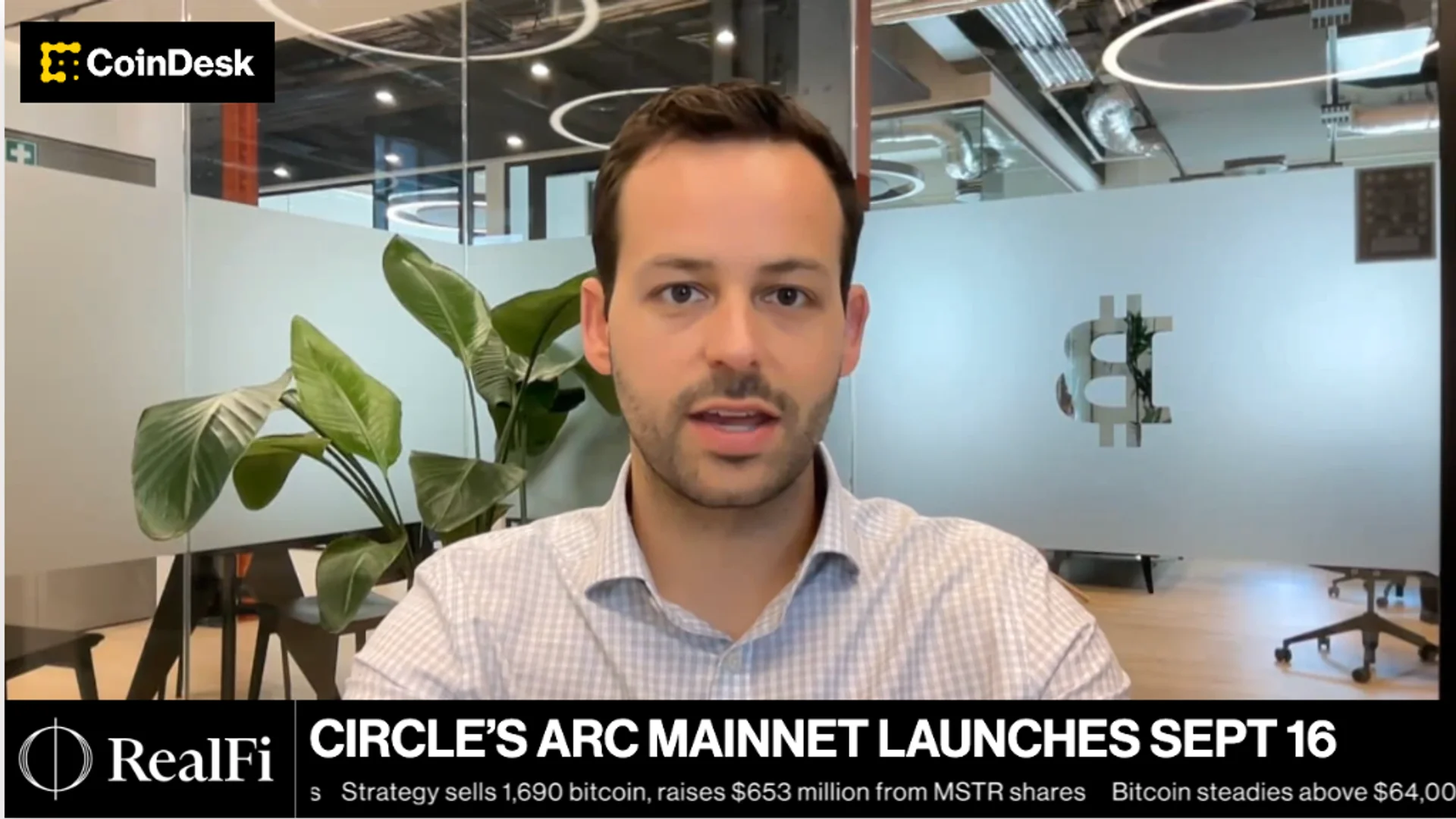



Bitwise Head of Research Ryan Rasmussen expects the stablecoin market to grow from roughly $300 billion to between $3 trillion and $5 trillion, and says investors are underestimating Circle's opportunity. He argues the company is building a second business in payments infrastructure, not just collecting reserve revenue. “I think we'll look back five years from now and Circle will be not only a stablecoin giant, but a payment giant,” Rasmussen said.
Why it matters
Circle's existing market share gives it a head start as U.S. stablecoin regulation takes shape. Rasmussen's thesis is that the market can expand quickly enough for Circle to grow even as banks, consumer companies and other incumbents prepare competing stablecoins. He points to initiatives such as OpenUSD as evidence that interest is broadening.
The comparison with Visa and Mastercard is deliberate. Circle is building infrastructure for a stablecoin-driven financial system, which would broaden its economics beyond the reserve-based business investors focus on today.
Market impact
Circle's Arc blockchain could be the next test. The layer-1 is designed to facilitate stablecoin payment activity, and its adoption and integration with the traditional financial system will help show whether Circle can turn its payments thesis into a meaningful second business.
Over the next year, investors will be watching how Circle's economics change as stablecoin adoption grows and Arc gains traction. The bullish case rests on both market expansion and successful infrastructure execution.
Frequently asked questions
-
Why does Rasmussen see payments as Circle's second major business?
He says Circle is building infrastructure to move stablecoins through payments, expanding beyond the reserve-based business investors focus on. He compares the potential trajectory with Visa and Mastercard.
-
What head start does Circle have as U.S. stablecoin rules develop?
Rasmussen points to Circle's existing market share and its ability to keep executing as the regulated stablecoin market develops.
-
Why does Rasmussen downplay competition from banks and incumbents?
He argues the stablecoin market could expand fast enough for Circle to grow even as banks, consumer companies and other incumbents launch competing initiatives.
-
How could Arc change Circle's role in the stablecoin market?
Arc is a layer-1 blockchain designed to facilitate stablecoin payment activity. Its adoption and integration with the traditional financial system will test Circle's payments infrastructure strategy.
-
What should investors watch in Circle's economics over the next year?
They should watch how Circle's economics change as stablecoin adoption grows and whether Arc gains traction with traditional financial institutions.
 CoinTelegraph
 CryptoSlate
 WatcherGuru
 WuBlockchain
 TheBlock