








 CoinDesk
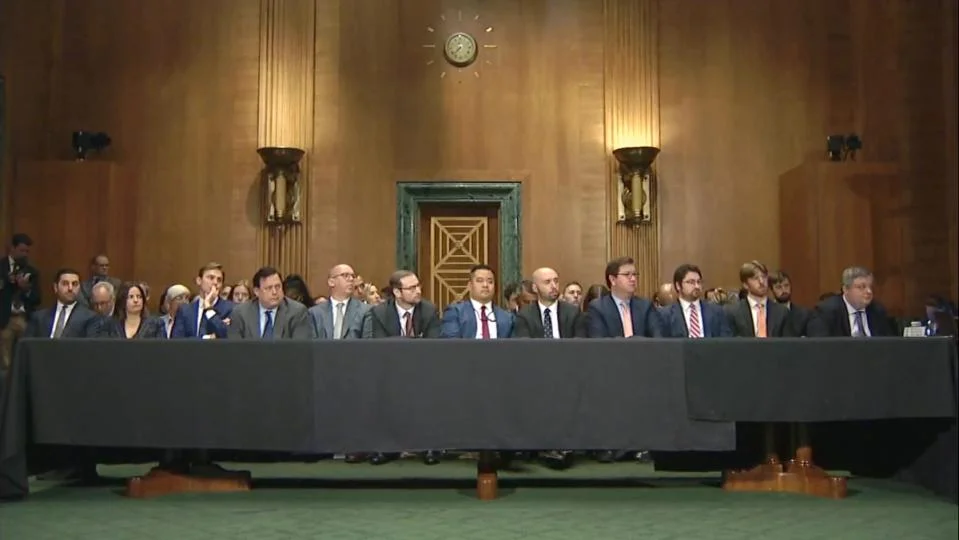


The Senate Banking Committee cleared the Clarity Act 15-9 on May 14, moving the bill — which would ban interest on stablecoin balances, impose penalties up to $5 million, and add the Treasury to the SEC and CFTC rule-making apparatus — closer to a full Senate vote. Bitwise senior research associate Kavi Jain called it a "landmark moment for US digital asset regulation," with the clearest near-term beneficiaries being tokenization, stablecoins, and smart-contract platforms like Ethereum and Solana where institutional capital has been waiting on rules before expanding onchain activity.
Why it matters
The split is structural versus cyclical. Regulatory clarity is a multi-year tailwind for the asset class — it gives the same institutions that have been circling stablecoins, tokenized funds, and onchain capital markets a framework to size positions against. The macro tape, meanwhile, is moving the other way: April inflation printed above expectations, energy prices are re-accelerating on Iran-conflict spillovers, and markets now price a Fed rate increase by April 2027, a full reversal of the cut regime that dominated pre-conflict. The U.S. 30-year auction cleared at a 5% yield for the first time since 2007, signalling that long-duration capital is no longer treating the energy shock as transient.
Market impact
The two-year yield broke above 4.05% to a 12-month high and triggered an inverse head-and-shoulders breakout — a bullish pattern for the yield, bearish for duration assets — with the January 2025 high of 4.24% as the next technical test. Bitcoin and other risk assets are caught in the cross-current: regulatory momentum is laying the foundation for institutional flows into ETH, SOL and stablecoin rails, but higher-for-longer Fed policy and rising long yields are the immediate drag on price. The forward setup stays split until either the rates path reverts or the bill reaches a Senate floor vote.



Frequently asked questions
-
What did the Senate Banking Committee approve regarding the Clarity Act?
The committee cleared the Clarity Act 15-9 on May 14, advancing a bill that would ban interest on stablecoin balances, impose penalties up to $5 million, and add the Treasury to the SEC and CFTC rule-making apparatus.
-
Why does the Clarity Act matter for Ethereum and Solana?
Bitwise's Kavi Jain said the clearer framework should be "particularly supportive for tokenisation and smart contract platforms such as Ethereum and Solana," enabling more institutional activity around stablecoins, tokenized funds, and onchain capital markets.
-
What is happening with inflation and interest rates?
April inflation printed above expectations with energy prices driving much of the increase on Iran-conflict spillovers. Markets now price a Fed rate increase by April 2027, reversing the rate-cut expectations that dominated before the conflict.
-
What did the 30-year Treasury auction signal?
The U.S. sold 30-year debt at a 5% yield for the first time since 2007, suggesting long-duration capital is no longer treating the energy shock as purely temporary and is pricing in higher-for-longer rates.
-
What is the inverse head-and-shoulders pattern in the 2-year yield?
The 2-year yield broke above 4.05% to a 12-month high, triggering a bullish technical breakout for the yield. The next resistance is the January 2025 high of 4.24% — higher yields are bearish for duration assets including bitcoin.
 WuBlockchain
 Crypto News
 WatcherGuru
 TheBlock
 CryptoSlate
 CoinTelegraph