








 CoinDesk
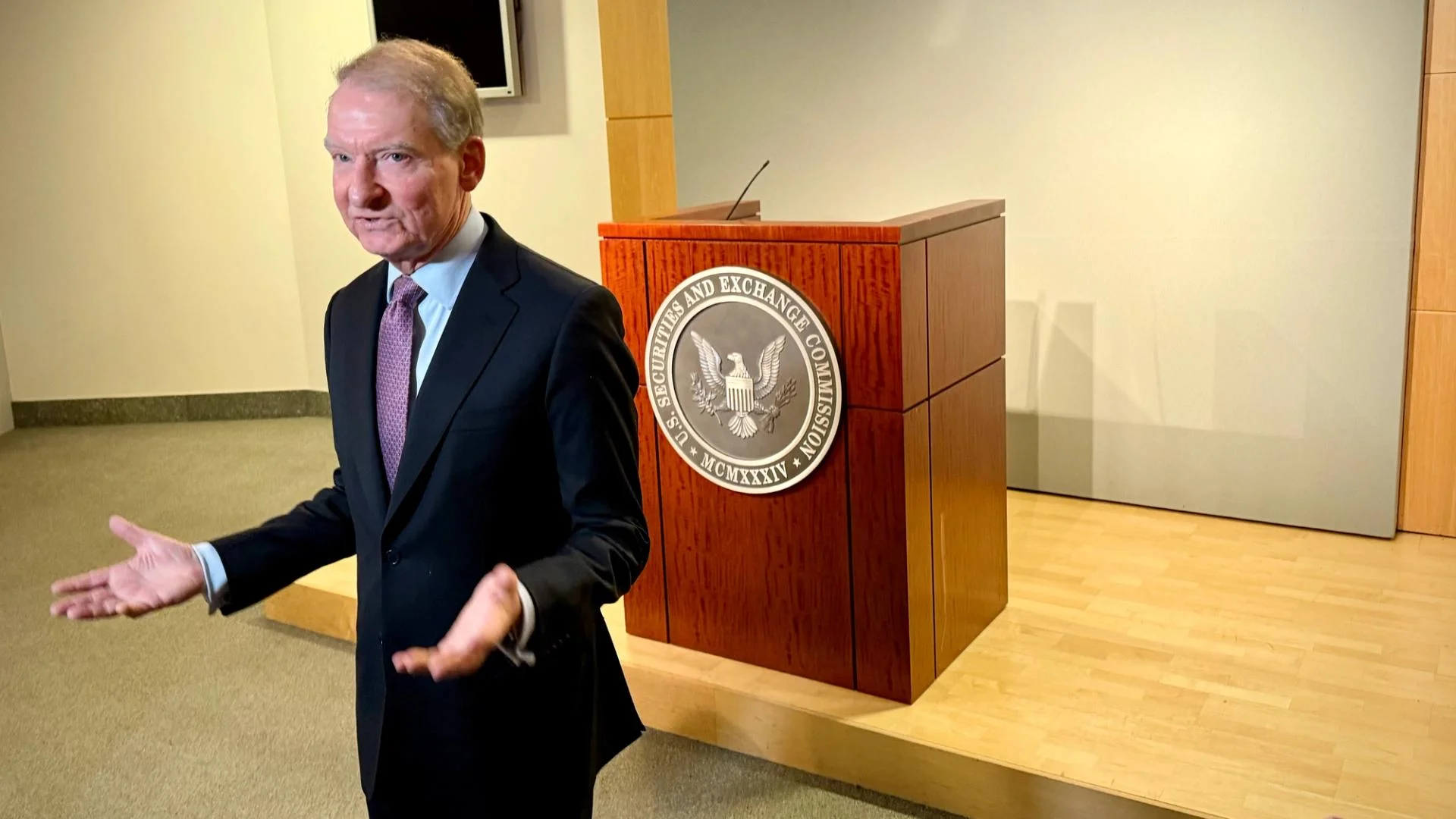



The failed Digital Asset Market Clarity Act would have defined crypto asset categories, divided authority between the SEC and CFTC, expanded CFTC oversight of crypto commodity spot markets and provided limited protections for DeFi developers. With the bill stalled, both agencies are moving to build a regulatory substitute through rules and policy initiatives.
SEC Chairman Paul Atkins has repeatedly argued that legislation is essential for durable crypto rules. Yet the SEC has continued its agenda, including a proposed framework for crypto offerings, a rule recognizing blockchain data as an ownership record and work on digital asset custody requirements for investment advisers. The agency also launched a tokenization initiative shortly after the bill failed.
Why it matters
The bill was designed to end years of uncertainty over whether crypto assets and platforms fell under securities or commodities law. That conflict has produced enforcement actions, settlements and an uneven operating environment for U.S. exchanges and developers.
The SEC and CFTC can advance some policies without waiting for Congress. Capital Alpha analyst Ian Katz said the agencies could move into “overdrive with aggressive, pro-industry proposals.” But staff-level taxonomies and formal rules are less durable than legislation and can be changed by future agency leadership.
Market impact
The CFTC is also pursuing crypto market rules, including a proposal sent to the White House for review and work on a potential “crypto asset market” category for firms. The agency has separately opened the door to crypto perpetual futures.
That piecemeal approach may give market participants clearer near-term guidance, but it does not deliver the legal certainty Clarity promised. Rules could face challenges if courts find that agencies exceeded authority granted by Congress. Atkins has described legislation as indispensable to future-proofing the framework, leaving the U.S. crypto market with a temporary patchwork rather than a durable settlement.
Frequently asked questions
-
What would the Clarity Act have changed for U.S. crypto markets?
It would have defined crypto asset categories, divided authority between the SEC and CFTC, expanded CFTC oversight of crypto commodity spot markets and addressed protections for DeFi developers.
-
How are the SEC and CFTC responding to the bill's failure?
The SEC is advancing initiatives on crypto offerings, tokenization, blockchain ownership records and digital asset custody. The CFTC is pursuing crypto market rules and a potential crypto asset market category.
-
Why are agency rules less durable than the Clarity Act?
Future agency leadership can change formal rules and policy projects. Rules may also face legal challenges if courts decide they lack a sufficient basis in congressional authority.
-
What is the SEC doing on tokenization?
The SEC has advanced a tokenization initiative and proposed recognizing blockchain data as an official ownership record, making tokenized securities a central part of its crypto agenda.
-
What does the regulatory patchwork mean for crypto markets?
It may provide clearer guidance in the near term, but it does not offer the durable legal certainty that the Clarity Act was intended to create.
 WatcherGuru
 Altcoin Daily
 CoinTelegraph
 CryptoSlate
 WuBlockchain
 Crypto News
 TheBlock