








 CoinDesk
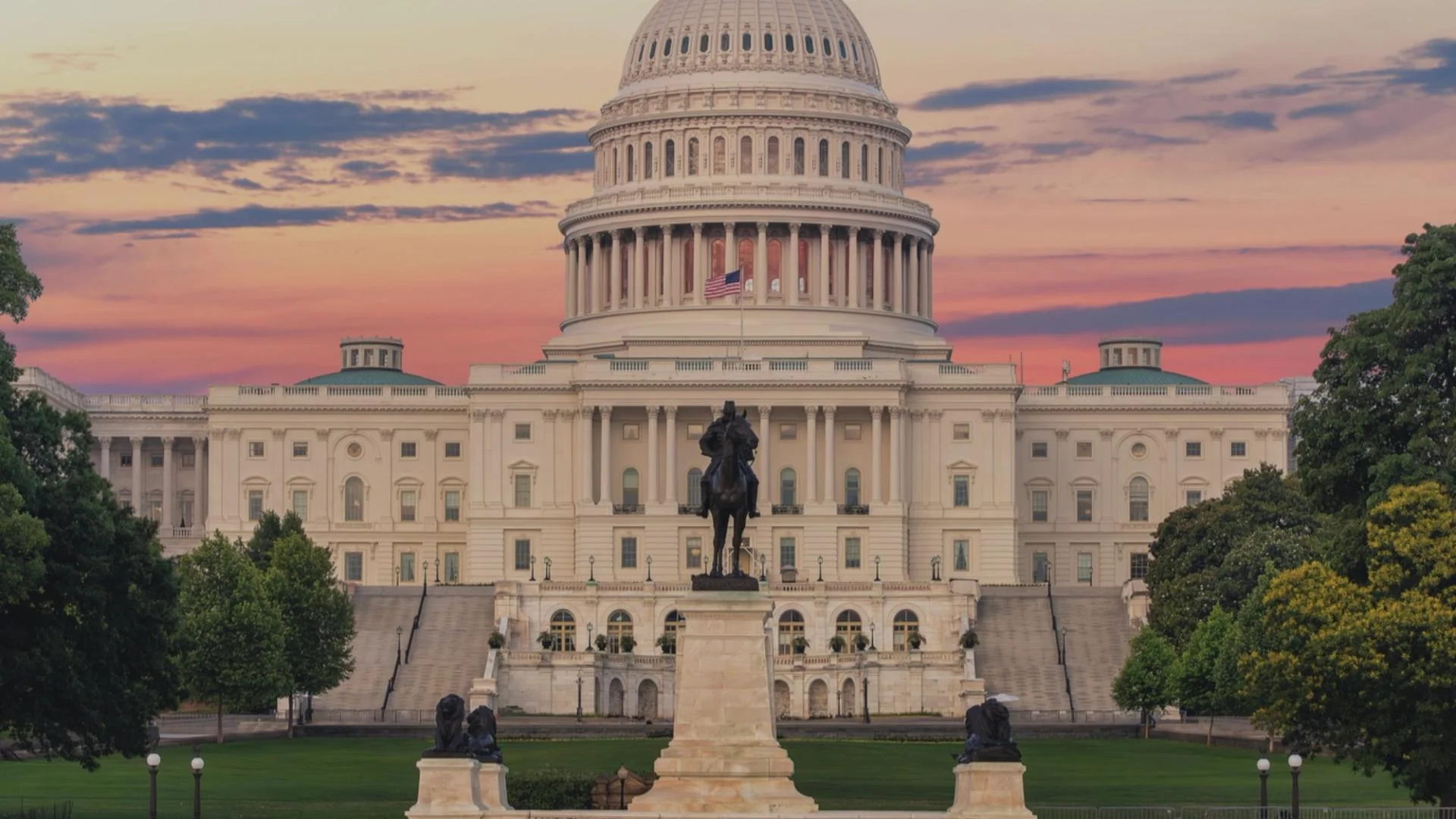



The Senate's 49-50 cloture vote blocked the Clarity Act from advancing, leaving the United States without the federal crypto market structure framework sought by the industry. The SEC and CFTC will continue shaping policy through existing rules, interpretations and exemptions, while banks and overseas hubs such as the UAE gain leverage.
Why it matters
The dispute extended beyond regulatory oversight. Banks opposed stablecoin platforms offering rewards that could compete with deposits, and the failed vote gave them ground in that fight. Anton Golub of Forte said banks increasingly view stablecoins as competition for deposits rather than simply another crypto product.
The result also keeps major policy questions outside Congress. The SEC has issued a temporary conditional exemption allowing eligible venues to trade tokenized US stocks through permissioned liquidity pools on public blockchains. The CFTC has sent a new crypto proposal to the White House for review, but its details remain undisclosed, including which assets and exchanges it would cover.
Market impact
Regulatory uncertainty raises the cost of building in the US while giving clearer jurisdictions a competitive opening. Irina Heaver, a Dubai-based crypto lawyer, said the UAE has more than 110 regulated virtual-asset businesses and about 20 additional firms with in-principle approvals. She described regulatory clarity as a competitive advantage for attracting businesses, founders, talent and capital.
The policy gap is therefore becoming an adoption issue, not only a legal one. Kyle Bligen of the Decentralization Research Center said Congress remains the best route to comprehensive market structure rules, while the current stalemate leaves digital-asset firms watching agency actions and overseas alternatives.
Frequently asked questions
-
What did the Senate's 49-50 vote mean for US crypto regulation?
The vote blocked the Clarity Act from advancing, so the US will not yet have the federal crypto market structure framework sought by the industry. The SEC and CFTC will continue shaping policy through existing authorities.
-
Why did banks benefit from the Clarity Act's failure?
Banks gained ground in the dispute over whether stablecoin platforms should offer rewards that could compete with bank deposits. Industry executive Anton Golub said banks increasingly view stablecoins as deposit competition.
-
What crypto action did the SEC take after the Senate vote?
The SEC issued a temporary conditional exemption allowing eligible venues to trade tokenized US stocks through permissioned liquidity pools on public blockchains.
-
How could the UAE benefit from US regulatory uncertainty?
Clearer rules can help the UAE attract crypto businesses, founders, talent and capital while the US debate continues. The country has more than 110 regulated virtual-asset businesses and about 20 additional in-principle approvals.
-
What happens next for US crypto policy?
The SEC and CFTC will remain central to policy development. The CFTC has sent a new crypto proposal to the White House, but its scope and licensing requirements have not been disclosed.
 WatcherGuru
 CoinTelegraph
 CryptoSlate
 WuBlockchain
 TheBlock