








 CoinDesk
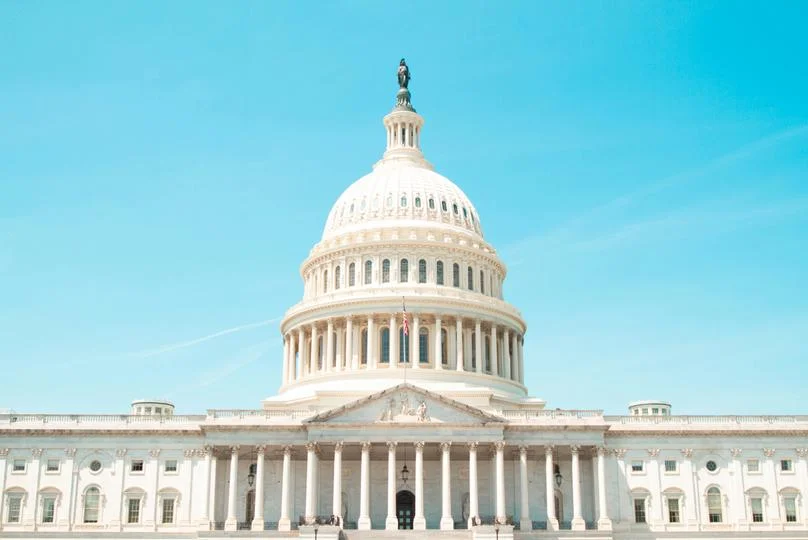


CME Group and Intercontinental Exchange have urged the CFTC and Capitol Hill to scrutinize decentralized derivatives platform Hyperliquid, warning its anonymous, round-the-clock perpetual futures market could enable market manipulation and sanctions evasion, according to a Bloomberg report. Executives from the two exchanges told regulators and lawmakers that Hyperliquid's structure could distort key commodities benchmarks — particularly global oil — and create a venue for insider coordination or state-backed actors trying to circumvent U.S. restrictions. The lobbying push lands as Hyperliquid deepens ties with U.S. crypto incumbents, with Coinbase set to become the platform's official USDC treasury partner alongside a Circle partnership.
Why it matters
The complaint is structural, not competitive theatre: CME and ICE dominate regulated oil and commodity futures, and a 24/7 decentralized perp book claiming parity with their benchmarks is a direct challenge to both market share and the integrity of those benchmarks. If anonymous leverage on a synthetic oil perp can move the print that U.S. crude physically settles against, the venue that has historically set that print wants regulators to act before that price discovery migrates offshore. The sanction-evasion framing elevates it beyond turf warfare — CFTC now has a national-security hook to engage with a protocol it has historically treated as out-of-scope.
Market impact
Hyperliquid's native HYPE token fell on the report to roughly $44, paring an earlier 20% surge from Coinbase and Circle partnership announcements on Thursday. The market reaction was contained — HYPE was still up around 4% over 24 hours — suggesting traders read the headline as a longer-term regulatory risk rather than an immediate enforcement action. The real test is whether CFTC opens a formal probe, and whether HIP-3's synthetic oil and equity markets become the first products frozen. For CME and ICE, the calculus is whether the cost of inviting federal attention to a competitor is worth the precedent of a regulated DeFi perimeter.

Frequently asked questions
-
Why are CME and ICE asking regulators to look at Hyperliquid?
The two exchanges told the CFTC and Capitol Hill that Hyperliquid's anonymous, 24/7 perpetual futures market could distort commodities benchmarks — especially oil — and create a channel for market manipulation or sanctions evasion, per a Bloomberg report.
-
Could Hyperliquid actually move global oil prices?
CME and ICE argued the platform's synthetic oil perps and HIP-3 markets trade against the same benchmarks those exchanges set, and that anonymous leverage trading could distort the price discovery U.S. crude physically settles against.
-
What did Coinbase and Circle announce with Hyperliquid?
Coinbase said it would become Hyperliquid's official USDC treasury partner deployed with the platform, alongside a Circle partnership — announcements that pushed HYPE up as much as 20% on Thursday before Friday's regulatory headline.
-
How did the HYPE token react to the report?
HYPE fell on the Bloomberg report to roughly $44, but was still up about 4% over 24 hours, suggesting traders viewed the news as a longer-term regulatory overhang rather than an imminent enforcement action.
-
What happens next in the Hyperliquid regulatory case?
The next milestones are whether the CFTC opens a formal probe and whether HIP-3's synthetic oil and equity markets become the first products frozen. A federal inquiry would set a precedent for how U.S. regulators treat decentralized derivatives venues.
 Altcoin Daily
 Crypto Capital Venture
 CryptoSlate
 CoinTelegraph
 Crypto News
 TheBlock
 WatcherGuru
 WuBlockchain