








 CoinDesk
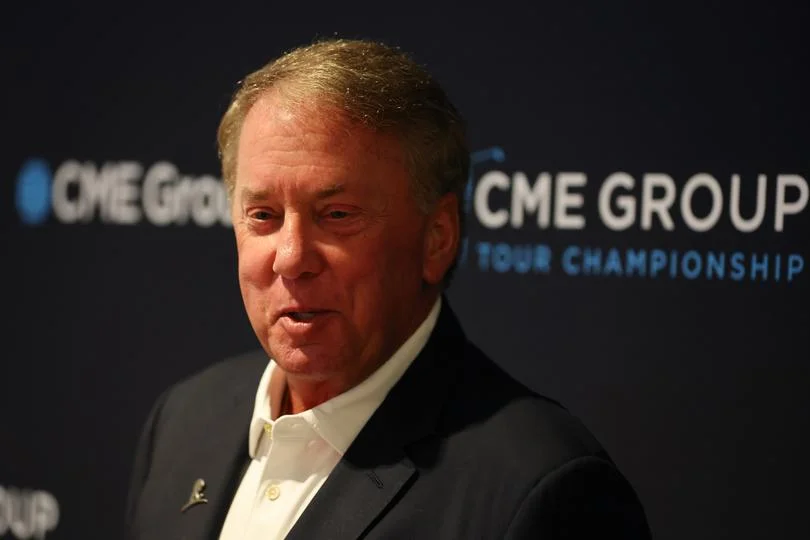



CME Group Chief Executive Terrence Duffy said the derivatives heavyweight plans to sue the U.S. Commodity Futures Trading Commission over its recent approval of Kalshi's perpetual futures product, arguing the contracts do not meet the Dodd-Frank Act's definition of a future and should have been classified as swaps.
Duffy told CNBC on Wednesday that under Dodd-Frank, when two parties exchange payments with each other, the instrument is deemed a swap — and the Kalshi product, in his reading, fits that definition. He went further, saying he believes the CFTC is "to an extent" misrepresenting certain facts, and pointed to the agency's recent release on 24/7 trading, which the agency described as a rule but which Duffy says was not a rule. "I think there's a lot of problems," he said.
Duffy, who is stepping down next year, said CME would "need to understand what the rules of the road are first" before listing perpetual futures of its own, and that those rules are not "very clear" at present.
Why it matters
The legal fight is not really about Kalshi. It's about category definition: if a perpetual-futures contract with bilateral payments is a "swap," it falls under a different regulatory regime than a futures contract, with different participant requirements and reporting rules. CME, the largest U.S. derivatives exchange, has historically been the venue of record for regulated crypto futures — and a successful challenge would force the CFTC to revisit not just Kalshi's product line but the broader template other platforms are racing to copy.
Duffy's accusation that the agency misrepresented the status of its 24/7 trading release adds a procedural layer: it suggests CME's lawyers may build the case around process as well as substance.
Market impact
The complaint lands on a market that is already cooling. Combined perpetual futures exchange volumes fell 3.45% in May to $4.41 trillion — the lowest monthly print since September 2024. Within that headline, real-world-asset perpetual futures bucked the trend, rising 10.4% to a new all-time high.
Frequently asked questions
-
Why is CME suing the CFTC over Kalshi's perpetual futures approval?
CME CEO Terrence Duffy argues Kalshi's perpetual futures product does not meet the Dodd-Frank Act's definition of a future because it involves two parties exchanging payments, which he says makes it a swap — a category with different regulatory requirements than futures.
-
What is the legal argument that Kalshi's perps are swaps, not futures?
Under Dodd-Frank, instruments in which two parties exchange payments are defined as swaps. Duffy says the Kalshi product fits that definition, which would subject it to a different regulatory regime with different participant requirements than a futures contract.
-
Did Duffy accuse the CFTC of misrepresenting facts?
Yes. Duffy told CNBC he believes the agency is "to an extent" misrepresenting certain facts, and pointed specifically to the CFTC's recent release on 24/7 trading, which the agency described as a rule but which Duffy says was not a rule.
-
Will CME launch its own perpetual futures contracts?
Not yet. Duffy said CME would "need to understand what the rules of the road are first" before considering a perp listing, and that those rules are not "very clear" at present.
-
What has happened to perpetual futures volumes recently?
Combined exchange perpetual futures volumes fell 3.45% in May to $4.41 trillion, the lowest monthly print since September 2024. Real-world-asset perpetual futures volumes rose 10.4% over the same period to a new all-time high.
 TheBlock
 WuBlockchain
 CoinTelegraph
 CryptoSlate