








 CoinDesk
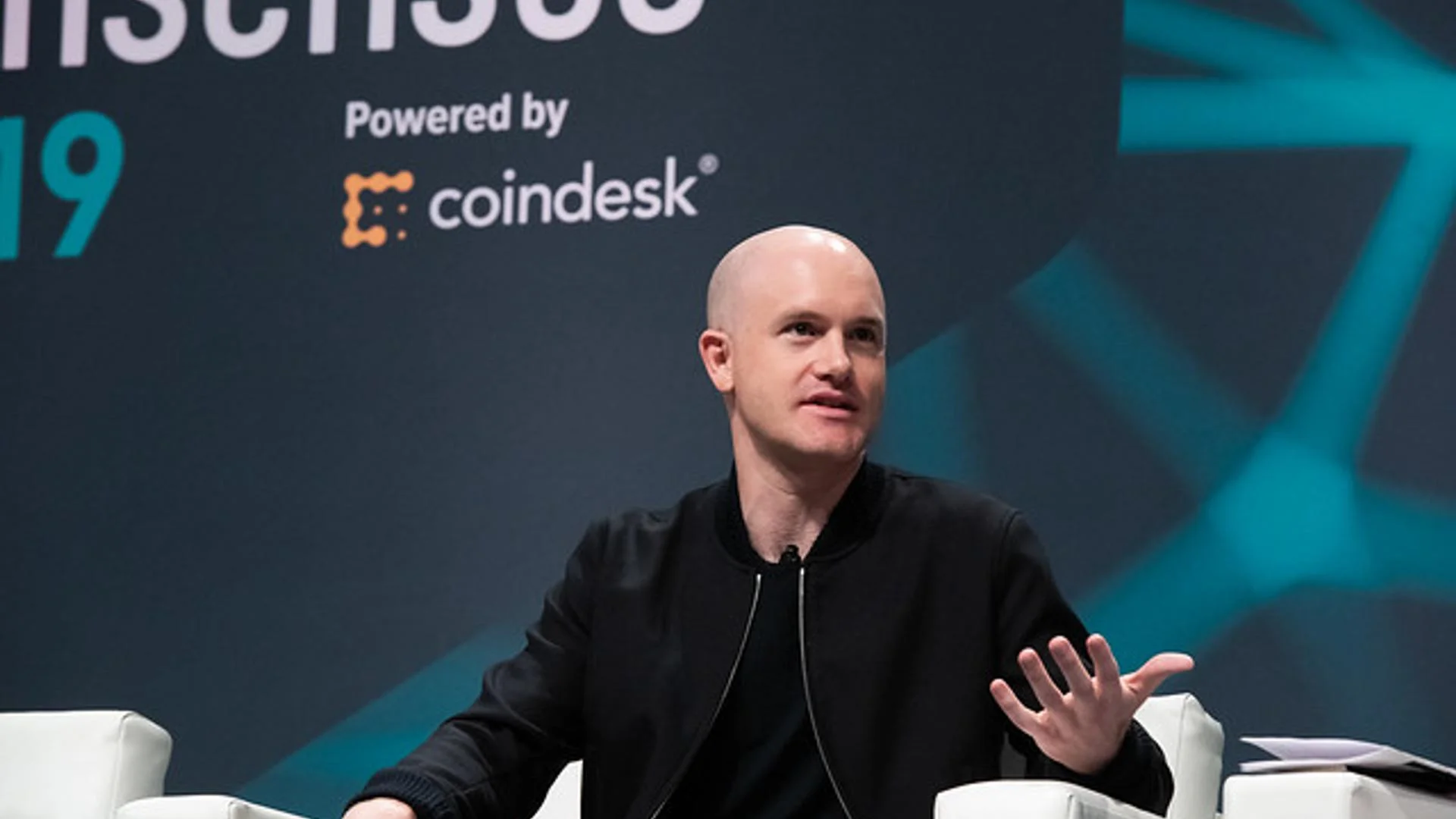



Coinbase CEO Brian Armstrong took to X on Sunday to push back against crypto firms rebranding as AI companies, calling the pivot "zero-sum, scarcity thinking" and arguing that blockchain is general-purpose infrastructure, like electricity or the internet, that underpins the next wave of automation rather than competing with it. "It's an 'and,' not an 'or,'" he wrote.
The post doubles as a product thesis: Coinbase is positioning itself as the anchor for what Armstrong is calling Agentic Finance (AiFi), a stack built on its Base blockchain, Circle's USDC stablecoin, and the x402 protocol, which Coinbase developed and has since moved under the x402 Foundation. Coinbase deployed AI agent accounts that can trade and spend in June and said last week that Coinbase Business users can now accept AI agent payments via x402.
Why it matters
The framing matters because it reframes crypto's addressable market from retail traders to machine actors. Armstrong and other builders argue that autonomous software agents will eventually execute far more daily transactions than humans, and because digital programs cannot open bank accounts or wait days for wire transfers, real-time crypto rails are the only infrastructure that fits. Critics on the same thread pushed back: io.net CEO Tory Green noted that "agents don't just need money, but they need money that moves at machine speed," and warned that the broader financial stack, including compute and data, is built for a human interface and still has to catch up. NeoSoul AI went further, arguing that "you can't trust a blank slate with a crypto wallet" and that reputation and memory layers are missing before agentic capital deployment is safe.
Market impact
The dot-com and 2017 blockchain precedents are real: a Wall Street Journal analysis cited in the coverage showed companies slapping trendy buzzwords on their names historically see an average short-term stock pump above 50%, with little structural change underneath.

Frequently asked questions
-
What is Agentic Finance (AiFi) as described by Coinbase?
Armstrong describes it as an emerging ecosystem where AI agents trade, spend, and accept payments in real time, anchored on Coinbase's Base blockchain, Circle's USDC stablecoin, and the x402 protocol now governed by the x402 Foundation.
-
What is the x402 protocol and who governs it?
x402 is a payment protocol developed by Coinbase for machine-speed transactions. Coinbase has since moved governance of the protocol to the x402 Foundation, and Coinbase Business users can now accept AI agent payments through it.
-
Why did Armstrong criticize crypto firms rebranding as AI companies?
He called the pivot "zero-sum, scarcity thinking" and argued that blockchain is general-purpose infrastructure, like electricity or the internet, that should complement AI rather than be abandoned for it. "It's an 'and,' not an 'or,'" he wrote.
-
What are the main risks critics raised about agentic capital deployment?
Builders including io.net CEO Tory Green warned that the broader financial stack is built for human interfaces and still has to catch up on speed, compute, and data. NeoSoul AI argued reputation and memory layers are missing before unvetted agents can be trusted with a crypto wallet.
-
How does this connect to the broader AI rebrand trend?
A Wall Street Journal analysis cited in the coverage showed companies adding AI buzzwords to their names historically see an average short-term stock pump above 50%, with little structural change underneath, a pattern mirroring the dot-com boom and the 2017 blockchain craze.
 WuBlockchain
 CryptoSlate
 TheBlock
 CoinTelegraph