


 CryptoSlate
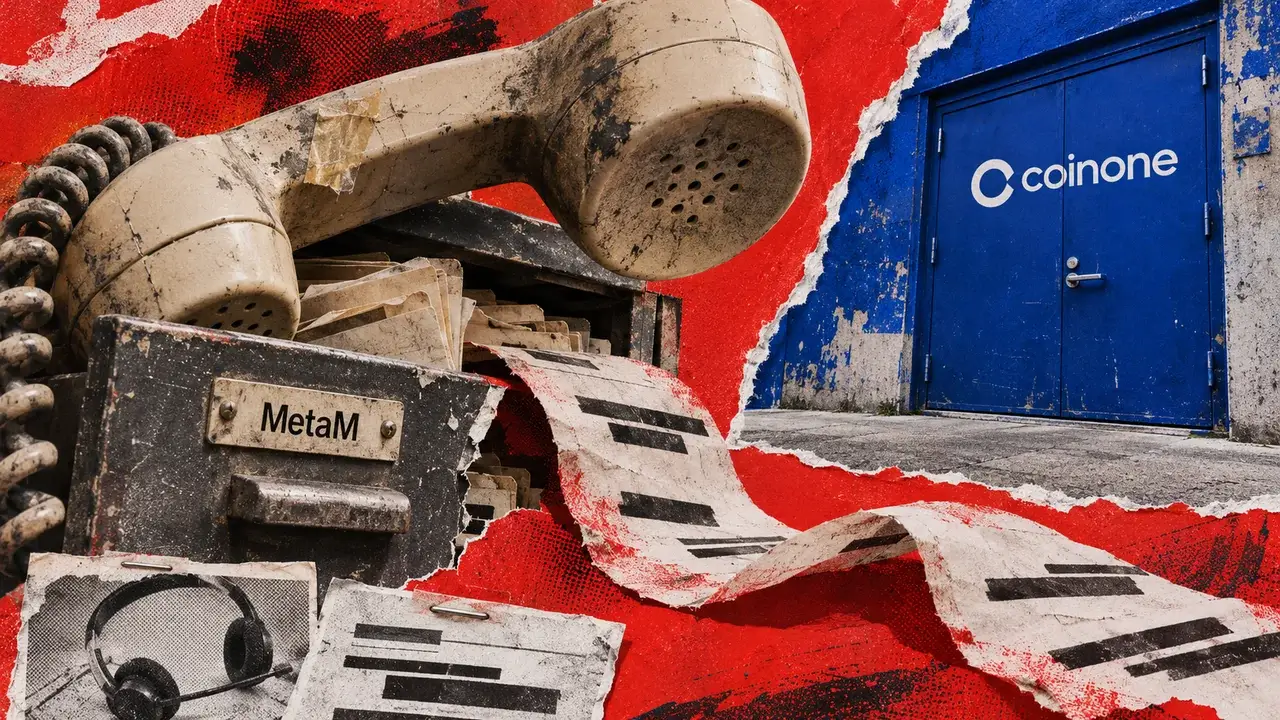

Coinone disclosed on Nov. 15 that an attacker accessed customer-support contractor MetaM's server on Nov. 12, around 4 a.m. Korean Standard Time, and viewed or leaked stored consultation information. MetaM reported the incident to Coinone around 9:20 a.m., while the exact timing and circumstances of the leakage remained under investigation. Potentially exposed records include names, phone numbers, email addresses, birth dates, bank account numbers, passwords, resident registration numbers, identification-document issue dates, home addresses, wallet addresses and transaction IDs.
Why it matters
Coinone says exposure varies by customer and depends on what was shared during chat or telephone consultations. Customers who supplied a password are being urged to change both their Coinone password and any other account using the same password. Coinone also plans individual notices and a personal-information exposure lookup service, but it has not disclosed an affected-customer count or a launch date.
The stolen information creates risks beyond the exchange itself. Coinone warns that attackers could use genuine details from support conversations for voice phishing, phishing emails, spam messages and identity theft. The exchange says it never requests passwords, one-time passwords, verification codes, crypto withdrawals or wallet-address changes by phone, text or email.
Market impact
Coinone says its account, trading and crypto-wallet systems are separate from MetaM's server and that it has found no signs of direct intrusion. Logins also require a second step through a registered OTP method or KakaoTalk verification on a phone in the customer's name, so the leaked information alone should not allow an attacker to log in or withdraw assets.
The immediate market risk is therefore more limited than a direct account compromise, but identity fraud and targeted phishing remain significant. Coinone has blocked attack-related IP addresses, tightened monitoring, secured the customer center and moved outsourced support to email consultations.
Frequently asked questions
-
What information may have been exposed in the Coinone support breach?
Potentially exposed records include passwords, names, phone numbers, email addresses, birth dates, bank account numbers, resident registration numbers, wallet addresses and transaction IDs.
-
Were Coinone trading accounts or crypto wallets directly compromised?
Coinone says those systems are separate from MetaM's server and that it has found no signs of direct intrusion. Logins also require OTP or KakaoTalk verification on a registered phone.
-
Which Coinone customers are most at risk from the breach?
Customers who supplied information during support chats or calls may be affected. Exposure varies according to what each customer shared, and Coinone has not disclosed an affected-customer count.
-
Why should Coinone customers change passwords used on other websites?
A password shared during a Coinone support consultation may also be used elsewhere. Changing those reused credentials reduces the risk that the exposed information can be used for account takeover.
-
How can Coinone customers guard against phishing after the breach?
Coinone says it never asks for passwords, one-time passwords, verification codes, withdrawals or wallet-address changes by phone, text or email. Customers should treat messages referencing genuine support conversations with caution.
 CoinDesk
 Crypto News
 CoinTelegraph
 WatcherGuru
 TheBlock