


 CryptoSlate


At the Cantor Convergence conference, Michael Saylor said Strategy could sell $48 billion of digital-credit securities without moving Bitcoin's price. He also described a scenario in which the company raises $40 billion of credit and buys $30 billion of Bitcoin, potentially creating a cycle of higher prices, stronger collateral and cheaper financing. Saylor expects bank lending against Bitcoin-linked holdings to further reduce selling pressure by giving investors access to cash without liquidating their positions.
Why it matters
Strategy has built a financing business that Saylor estimated had already helped create a $16 billion market in 21 months. Its preferred securities, including the STRC product, raise capital for Bitcoin purchases while paying dividends to investors. Additional issuance could support buying, but it also makes the model dependent on continued demand for Strategy's credit instruments and sufficient resources to meet dividend obligations.
The company's projections make funding conditions especially important. Strategy targets roughly 10.5% annual Bitcoin appreciation to capture excess returns for common shareholders, while Saylor estimated that approximately 2% annual appreciation could sustain dividend commitments under the financial model. Strategy can adjust dividends, deploy dollar reserves, repurchase securities or sell Bitcoin if conditions require it.
Market impact
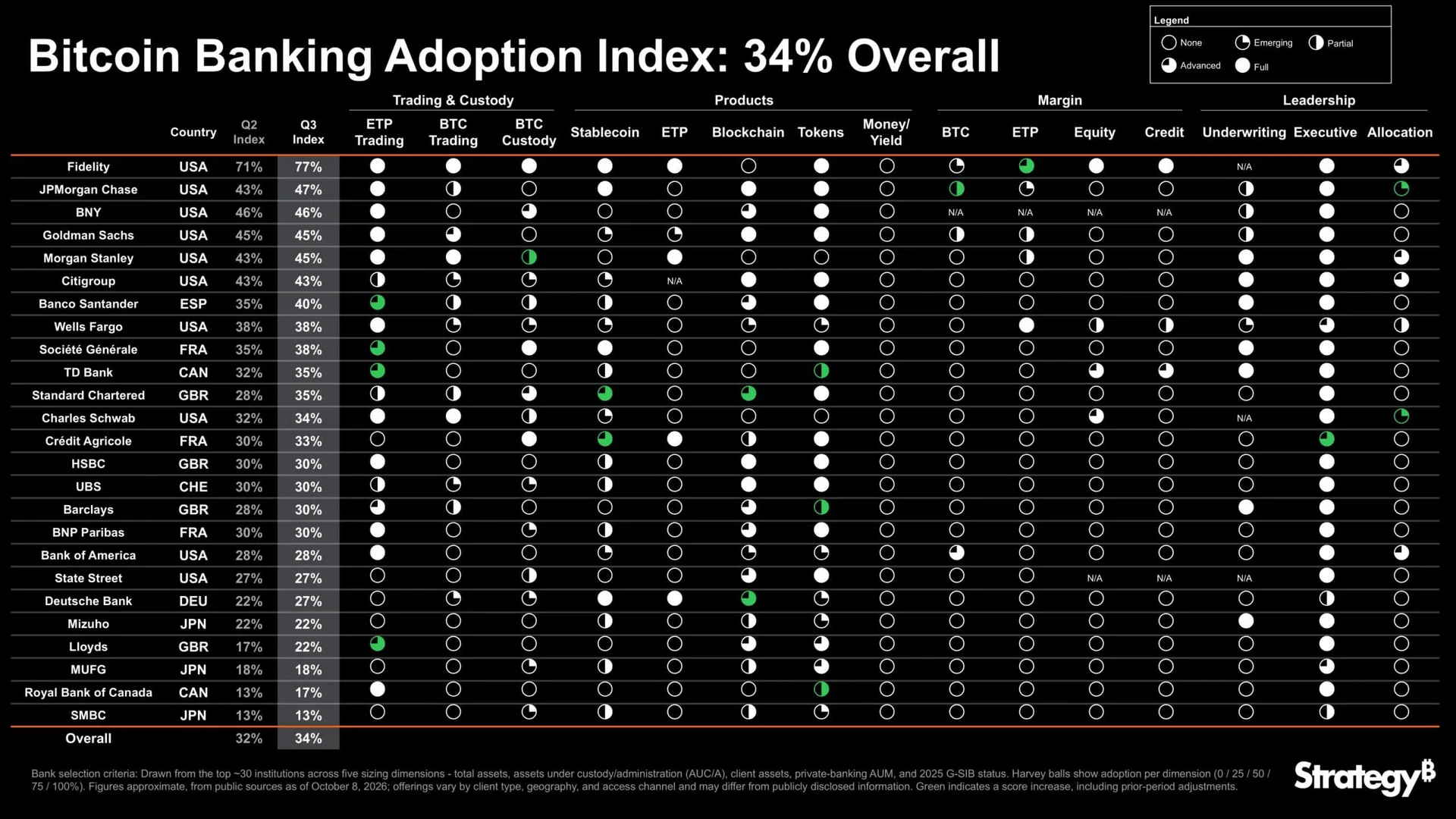
Saylor expects traditional banks to extend credit against Bitcoin-related holdings, including BlackRock's iShares Bitcoin Trust, or IBIT. He named JPMorgan, Morgan Stanley and Charles Schwab as potential lenders. Such loans could let investors retain exposure while raising cash, weakening the incentive to sell and potentially supporting further purchases.
The lending terms remain the critical constraint. Schwab's Pledged Asset Line permits qualified investors to borrow against eligible securities, but the bank can demand repayment, raise collateral requirements and liquidate pledged assets after a default.

Frequently asked questions
-
How would Strategy's financing model support Bitcoin demand?
Strategy raises capital through preferred securities and uses the proceeds to buy Bitcoin. Saylor argues that purchases could strengthen collateral values, reduce financing spreads and make additional credit issuance easier.
-
What Bitcoin growth assumptions support Strategy's dividend model?
Strategy targets roughly 10.5% annual Bitcoin appreciation for excess returns to common shareholders. Saylor estimated that approximately 2% annual appreciation could sustain dividend commitments under the model.
-
How could bank lending against Bitcoin holdings change investor behavior?
Loans could give investors cash without requiring them to sell Bitcoin ETF positions. Better credit terms may reduce selling pressure and make investors more willing to hold or add to their holdings.
-
What risk does Schwab's Pledged Asset Line create for Bitcoin holders?
Schwab can demand repayment, increase collateral requirements without advance notice and liquidate pledged securities after a borrower defaults. A sharp market decline could therefore turn borrowed Bitcoin exposure into forced selling.
-
Is IBIT currently eligible as collateral for a particular loan value?
Schwab's disclosures do not establish that IBIT qualifies for a specific collateral loan value. Saylor presented potential lending arrangements involving the ETF as a future source of demand rather than an existing facility.
 TheBlock
 Whale Alert
 Lookonchain