


 CoinDesk
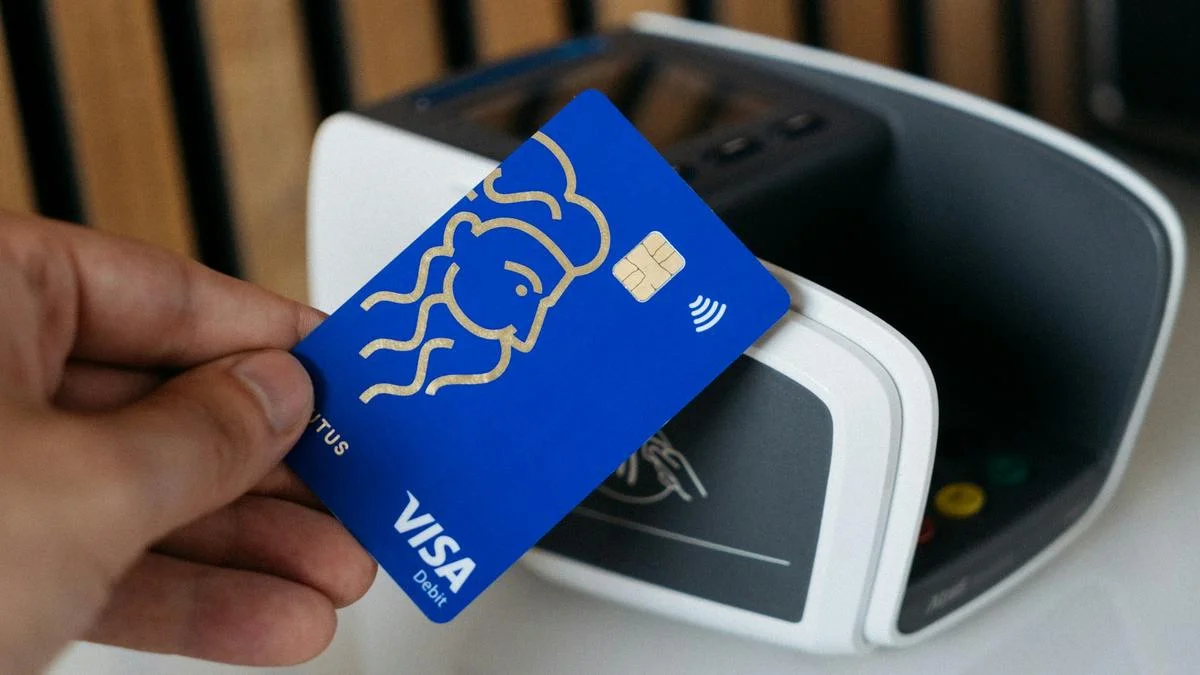


Crypto card providers are spending heavily on cashback and yield to win users, but some customers cost more to serve than they generate. KAST moved from near break-even into losses as growth spending rose, while Bleap says customers who only spend and collect cashback can be unprofitable.
Why it matters
The business case depends on turning a subsidized cardholder into a broader customer. Providers are betting that trading, lending, staking, membership fees and other paid services can eventually cover rewards and make customer acquisition pay off. Until that happens, more users and higher reward rates can mean a larger subsidy bill.
KAST advertises 8% to 12% returns on its Reserve account, while the backing assets generate 3.5% to 4%. CEO Raagulan Pathy said the gap is costly, but framed it as spending to gain market share. The company raised $80 million in March and, at the time of an interview conducted last month, had four to five years of runway.
Market impact
Rewards are already changing. Bybit EU replaced non-VIP cashback tiers of 2% to 10% with an uncapped 1%, effective Aug. 4 for existing cardholders. Bleap moved from an earlier 2% rate to 1% base cashback plus higher rewards on selected categories. Neither company disclosed how the changes affected retention or spending.
Interchange alone may not cover the offers: EU rules cap it at 0.2% for covered consumer debit transactions. Other models connect cards to broader financial products. Ether.fi lets users borrow against eligible staked assets, and a March report found about 80% of its Cash users also used its Liquid yield product. The key test is whether customers keep using those services when introductory perks become less generous.

Frequently asked questions
-
Why can crypto card customers be unprofitable?
Rewards and growth spending can cost more than customers generate when they only spend and collect cashback. Providers are counting on revenue from other services to close the gap.
-
How does KAST fund its Reserve account rewards?
KAST advertises returns of 8% to 12%, while the assets backing the product generate 3.5% to 4%. The company covers the difference.
-
How did Bybit EU change non-VIP card rewards?
Bybit EU replaced non-VIP cashback tiers of 2% to 10% with an uncapped 1%. The change took effect for existing cardholders on Aug. 4.
-
What limits how much card interchange can fund in the EU?
EU rules cap interchange at 0.2% for covered consumer debit transactions, limiting one potential source of revenue for card issuers.
-
How does Ether.fi connect its card to other financial products?
Ether.fi users can borrow against eligible assets staked with the platform while those assets continue to earn yield. A March report found about 80% of Cash users also used its Liquid product.
 CryptoSlate
 Crypto News
 Crypto Rank News