








 CoinDesk
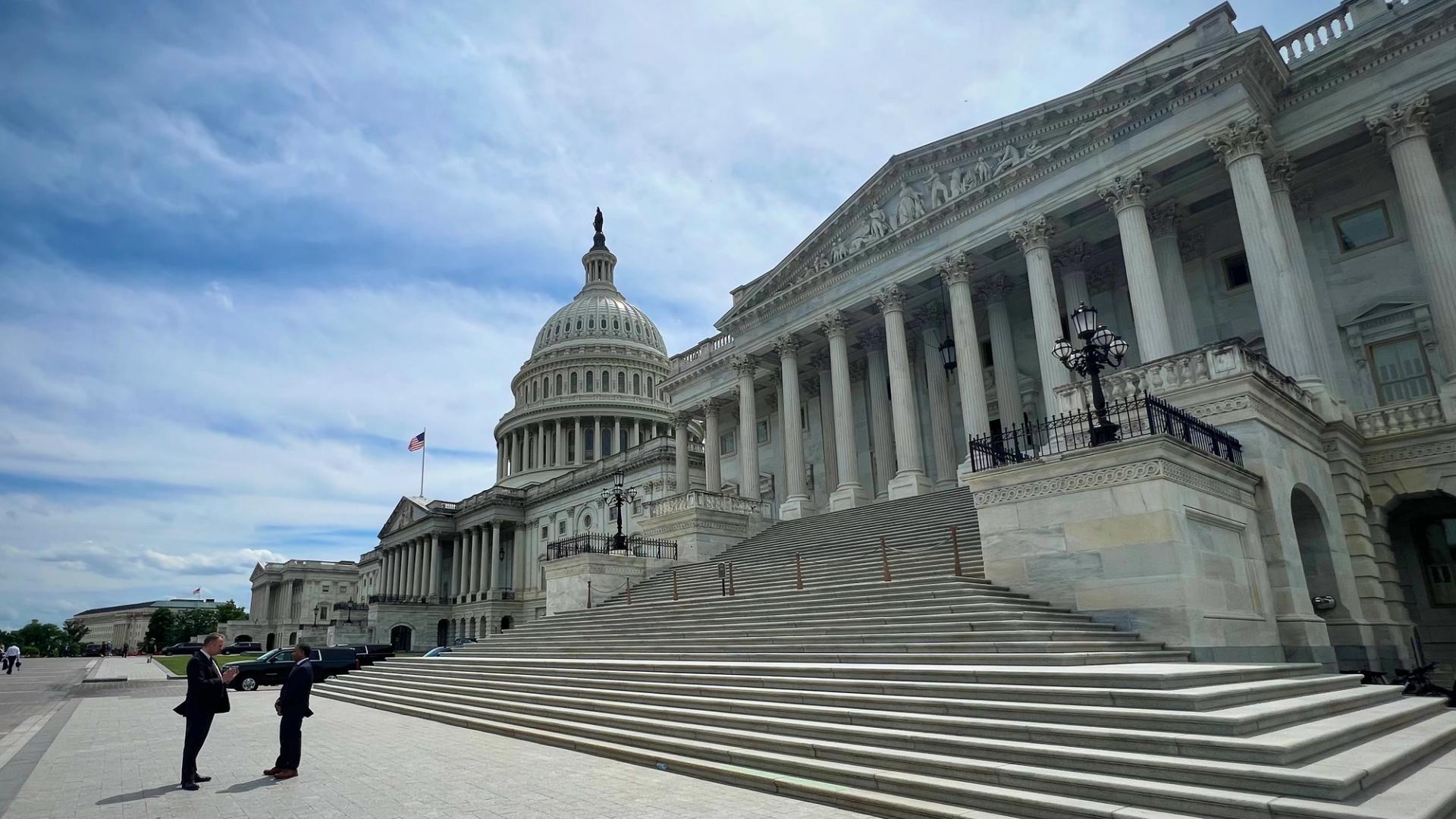



The U.S. midterm election is set for Nov. 3, 2026, with control of both chambers of Congress at stake. Polling cited in the report points to Democrats flipping the House, while the Senate remains a tossup; prediction markets also favored Democratic gains in both chambers at the time described.
Why it matters
The election could reshape Congress’s oversight of agencies including the SEC, CFTC, OCC and Treasury, as well as next year’s budget decisions for regulators. Those questions take on added weight after the Clarity Act collapsed, leaving the industry watching both agency rulemaking and the possibility of new legislation.
Crypto tax policy is a more immediate legislative prospect. The House Ways and Means Committee passed a crypto tax bill with significant bipartisan support, and Senator Steve Daines introduced a separate crypto tax bill in the Senate. Hearings are also expected, while a new market-structure bill could be considered, though its prospects are unclear.
Market impact
For crypto businesses, the congressional balance could affect regulatory scrutiny, the rules they operate under and their relationships with lawmakers. The report also notes industry concern that a Democratic-controlled Congress could subpoena crypto firms with ties to President Donald Trump’s administration.
Crypto-linked political spending described in the report includes $30 million from Fairshake and $3 million from the Digital Freedom Fund, both targeting former Senator Sherrod Brown. Fairshake said it had no further expenditures to announce at that time. Campaign spending and the election result remain relevant signals, but the legislative and oversight agenda will determine how directly those political shifts affect crypto policy.
Frequently asked questions
-
When are the U.S. midterm elections described in the report?
The election is set for Nov. 3, 2026.
-
What did polling suggest about control of Congress?
Polling cited in the report pointed to Democrats flipping the House, while the Senate was a tossup. Prediction markets favored Democratic gains in both chambers at the time described.
-
Which agencies could face congressional oversight?
The report names the SEC, CFTC, Office of the Comptroller of the Currency and Treasury Department among the agencies Congress oversees.
-
What crypto legislation could Congress take up?
Lawmakers may consider a new market-structure bill, though its prospects are unclear. Crypto tax legislation is also advancing, with House and Senate proposals described in the report.
-
What crypto-related political spending does the report cite?
Fairshake announced $30 million and the Digital Freedom Fund announced $3 million in expenditures targeting former Senator Sherrod Brown. Fairshake said it had no further expenditures to announce at that time.
 WatcherGuru
 CryptoSlate
 WuBlockchain
 Altcoin Daily
 Crypto News