


 CoinDesk
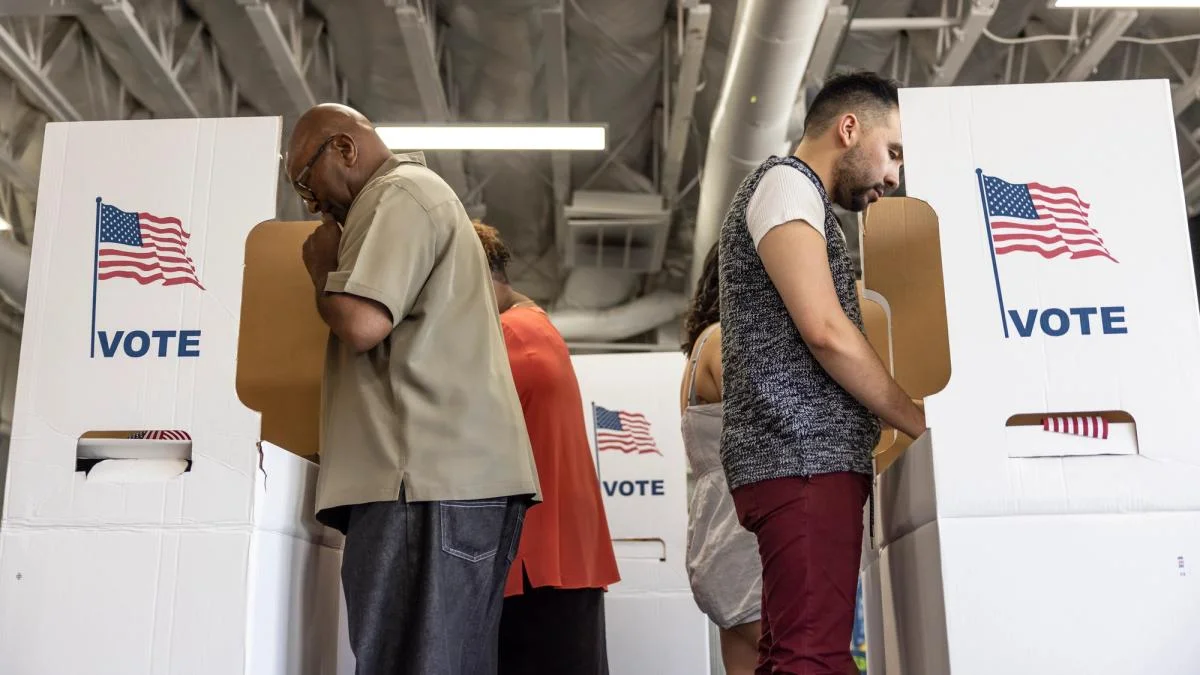


Crypto-linked super PACs have spent $63 million in Ohio to oppose Sherrod Brown, even though he has not served in the Senate during the current Congress and did not vote on the Clarity Act. Fairshake’s network accounts for $56 million, with the Winklevoss twins’ Digital Freedom Fund providing the other $7 million. The race is among only three non-presidential contests to top $500 million in advertising, according to the column.
Why it matters
The spending puts the industry’s political strategy under scrutiny. Fairshake says it backs pro-crypto candidates in both parties, and has pointed to the Stand with Crypto scorecard to explain its choices. But the column argues that the pattern does not consistently match those grades: Fairshake is spending nothing against four F-rated senators seeking re-election who voted against advancing the Clarity Act, while its largest Ohio commitment targets Brown, who was not in Congress for that vote.
The contrast also raises questions about how “pro-crypto” is defined. The column says the scorecard has no publicly explained methodology, while three companies, Coinbase, a16z and Ripple, supplied more than 80% of Fairshake’s funding in 2024. That concentration gives a small group of industry players substantial influence over political messaging carried out in crypto’s name.
Market impact
The immediate stakes are electoral, not a direct market move: the Ohio campaign could test whether large-scale crypto political spending can shape voter behavior. The broader policy stakes include whether Congress advances a market-structure framework such as the Clarity Act, which failed to overcome cloture, and who gets to define the industry’s priorities.
For crypto businesses, sustained political influence may affect the regulatory environment. For voters and the wider crypto community, the column’s central challenge is whether support for the technology should be treated as support for the companies funding the campaigns. The spending can make an election more expensive for targeted candidates, but it cannot cast a ballot.
Frequently asked questions
-
How much have crypto-linked super PACs spent to oppose Sherrod Brown in Ohio?
They have spent $63 million: $56 million from the Fairshake network and $7 million from the Winklevoss twins’ Digital Freedom Fund.
-
Why is the Fairshake spending being questioned?
The column argues that Fairshake’s targeting does not consistently match Stand with Crypto grades or voting records, including its focus on Brown, who did not vote on the Clarity Act.
-
What does the column say about Fairshake’s other Senate targets?
Four F-rated senators seeking re-election voted against advancing the Clarity Act, but Fairshake is spending nothing to target them, according to the column.
-
What concerns does the column raise about the Stand with Crypto scorecard?
It says the scorecard has no publicly explained methodology and questions whether its grades consistently account for lawmakers’ records.
-
Which companies supplied more than 80% of Fairshake’s funding in 2024?
Coinbase, a16z and Ripple supplied more than 80% of Fairshake’s funding in 2024, according to the column.
 Crypto News
 CoinTelegraph
 Crypto Capital Venture
 WuBlockchain
 CryptoSlate
 TheBlock