








 CoinDesk
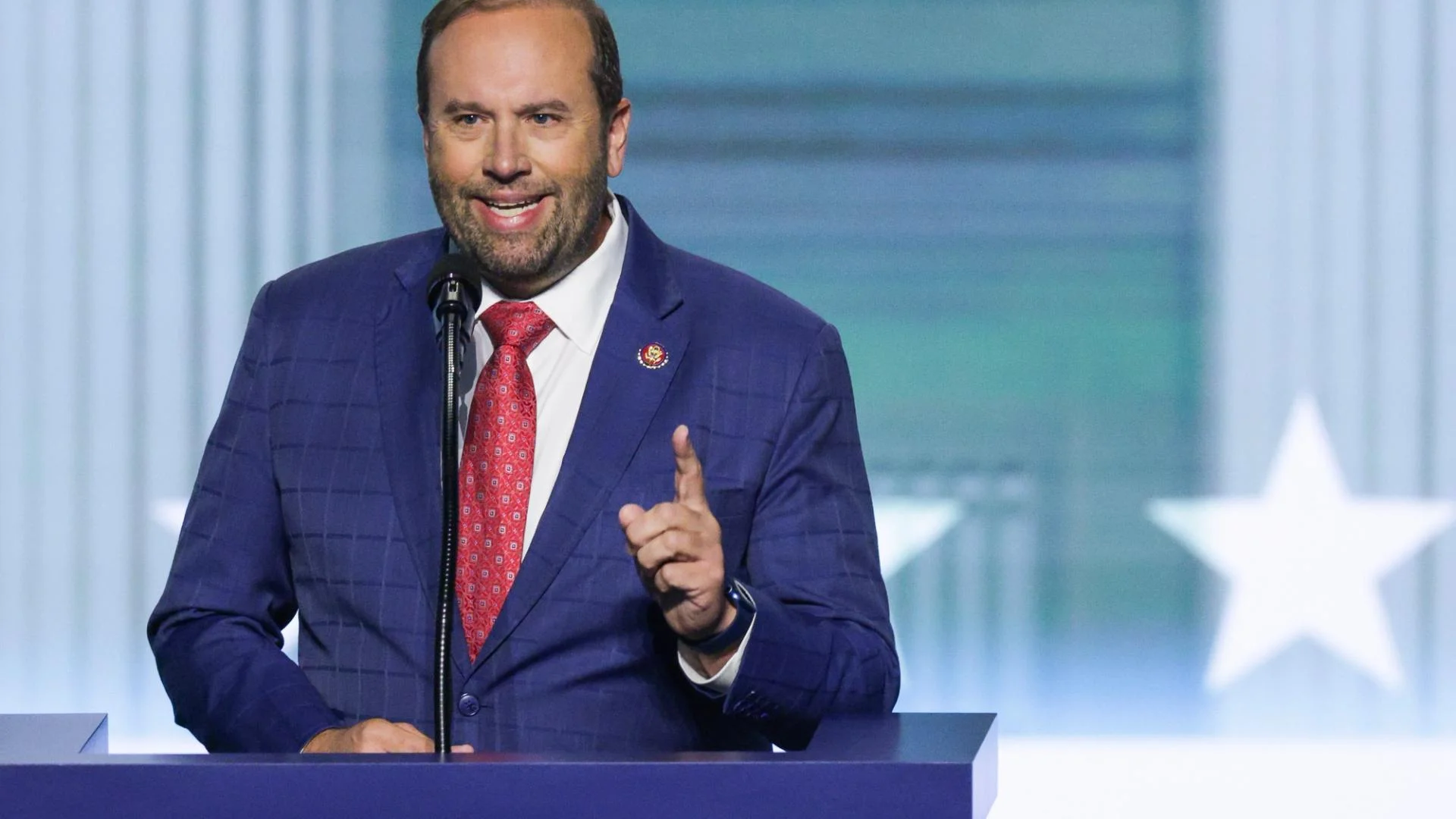


The U.S. House Ways and Means Committee released a 114-page crypto tax bill late Monday, setting up a Wednesday markup vote on the most comprehensive digital asset tax package Congress has considered. The "Digital Asset Tax Certainty Act" would exempt capital gains on transaction and network fees under $10, alongside new definitions for staking rewards, mining income, broker reporting and wash sale rules in a single package.
Why it matters
The de minimis carve-out is the bill's headline, and the one the crypto industry has lobbied hardest to formalize. Currently every crypto transaction, no matter how small, triggers a capital gains or loss calculation that must be reported. Exempting fees under $10 brings digital asset use closer to everyday-payment parity, though users who executed more than 5,000 transfers in the prior year would not qualify.
Beyond de minimis, the bill directs the Treasury Secretary and IRS to publish implementing rules and addresses how ownership and disposition of tokenized assets are treated for tax purposes. Those provisions overlap with the broader RWA regulatory push and could shape how U.S. validators, lending desks and retail traders report income and losses from here.
Market impact
The realistic 2026 timeline is thin. The House breaks until after the November election and has limited floor time, so a successful markup would more honestly seed the 2027 Congress's crypto tax agenda. The Senate takes up the related Digital Asset Market Clarity Act on Tuesday, needing 60 votes to keep the debate alive.
Watch the $10 threshold and the 5,000-transfer cap: together they define who gets everyday-payment parity. Staking and wash-sale language will quietly shape how validators and lending desks report to the IRS, even before any of this becomes law.
Frequently asked questions
-
What does the Digital Asset Tax Certainty Act cover?
The 114-page bill addresses de minimis transactions, staking, mining, broker reporting, wash sale rules, gain and loss accounting, transfers, and the treatment of tokenized assets for ownership and disposition purposes.
-
How does the de minimis exemption in the bill work?
The bill exempts capital gains tax on crypto transaction and network fees under $10. Users who executed more than 5,000 transfers in the prior year would not qualify for the exemption.
-
When is the markup hearing scheduled?
The House Ways and Means Committee markup is scheduled for Wednesday, September 16 at 10:00 a.m. ET.
-
Will the crypto tax bill become law this year?
Unlikely. The House breaks until after the November election with limited floor time, so a successful markup would more realistically set up the 2027 Congress to continue the work.
-
What does the bill say about staking and mining?
The bill defines how staking rewards and mining income are treated for tax purposes, alongside broker reporting and wash sale rules that shape how U.S. validators, lending desks and retail traders report income and losses.
 CoinTelegraph
 TheBlock
 WatcherGuru
 WuBlockchain
 Crypto News