








 WatcherGuru
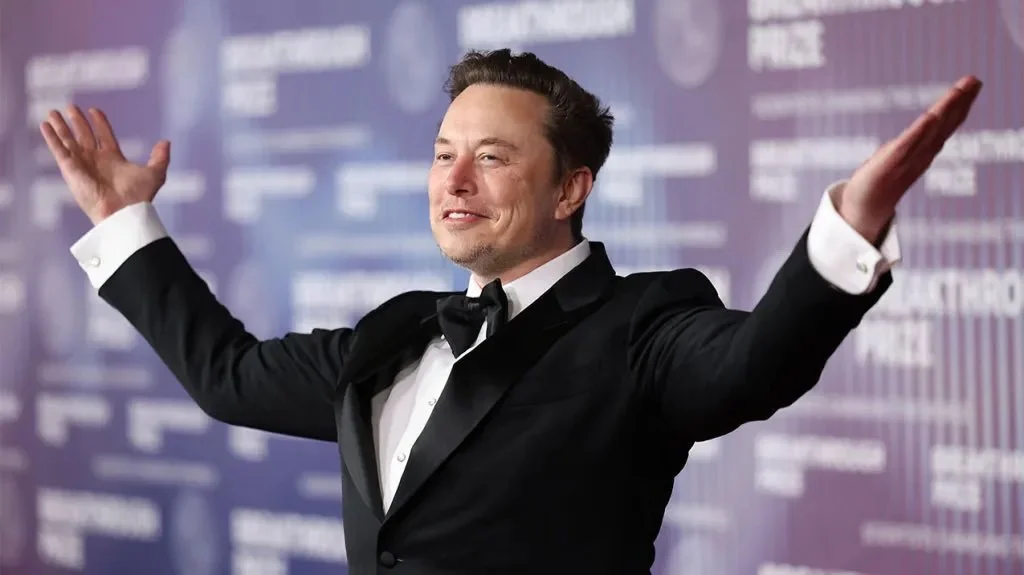

SpaceX is moving to make it "impossible" to oust Elon Musk as CEO, the company's founder confirmed this week. Musk framed the change as mission-critical, not governance theater, telling followers the priority is keeping SpaceX focused on "making life multiplanetary and extending consciousness to the stars, not pandering to someone's bullshit quarterly earnings bonus."
Why it matters
Dual-class voting structures and golden-share arrangements are common at founder-led public companies — Meta, Alphabet, and Snap all run variants — but they are rare in the private mega-cap tech tier that SpaceX now occupies. Insulating Musk from board-level turnover cements his unilateral control over a balance sheet now dominated by Starlink cash flow and a Starship program still working toward an orbital reuse cadence.
Market impact
The signal for prospective SpaceX shareholders — the company has been signaling an eventual IPO for years, with secondary tender offers pricing the equity at ever-higher marks — is that any public listing will come with Musk firmly in the driver's seat. The structural ask also lands as xAI's funding footprint deepens, raising the question of whether the corporate boundary between SpaceX, xAI, and the broader Musk stack will be drawn by a board or by Musk alone.
Frequently asked questions
-
What did Elon Musk actually confirm about SpaceX leadership?
Musk confirmed SpaceX intends to make it structurally impossible to remove him as CEO, framing the change as necessary to keep the company focused on the Mars mission rather than short-term financial pressure.
-
Is SpaceX publicly traded?
No. SpaceX remains private, though it has run regular secondary tender offers at rising valuations and has long been expected to eventually pursue an IPO.
-
How do founder-locked control structures usually work?
They typically use dual-class voting shares or golden-share arrangements that give the founder voting control regardless of economic ownership. Meta, Alphabet, and Snap all use variants of this structure.
-
Why does this matter for a future SpaceX IPO?
Any listing would come with Musk firmly insulated from board-level turnover, meaning public shareholders would have governance power over operations and capital allocation but not over the CEO seat itself.
-
How does this connect to Musk's other companies like xAI?
Musk's confirmation comes as xAI's funding footprint deepens, raising the question of whether the boundary between SpaceX, xAI, and the broader Musk corporate stack will be set by a board or by Musk directly.
 TheBlock
 Crypto News
 CryptoSlate
 CoinTelegraph
 WuBlockchain