








 CoinDesk
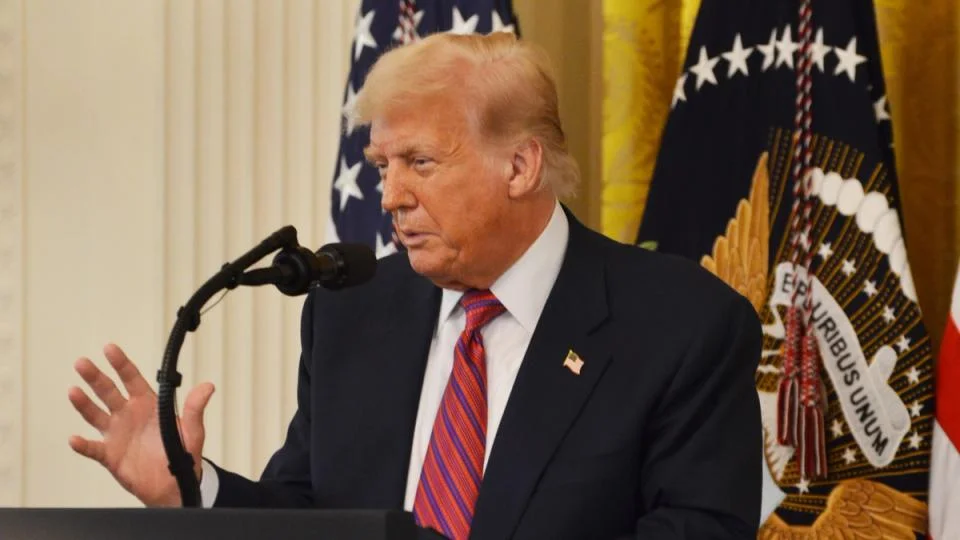



The GENIUS Act, signed into law by President Donald Trump a year ago, set the United States on its first federal course to regulate stablecoins, but the implementing rules from the Office of the Comptroller of the Currency, the Federal Deposit Insurance Corporation and other agencies remain unfinished. Regulators have published proposals and comment questions rather than final standards, with a few months still expected before anything is locked in.
Why it matters
GENIUS was the first major US federal crypto statute, but it covers only payment stablecoins. The law gave agencies broad direction on reserves, governance and operations, then left the details to rulemaking. The FDIC floated 144 questions earlier this year on custody, capital and liquidity, while the OCC put out its own interpretive proposal in February. Crypto Council for Innovation CEO Ji Hun Kim called the law's passage a landmark moment, saying a year in, "agencies, institutions, and innovators are building on a clearer foundation."
Market impact
While agencies finalize the rulebook, the bigger Digital Asset Market Clarity Act is still waiting on Capitol Hill, with ethics provisions blocking senior officials from profiting off personal crypto ventures the largest outstanding fight. Senator Elizabeth Warren is pressing Trump for a fresh financial disclosure covering the first half of 2026 after his 2025 filing reported more than $1.4 billion from crypto ventures. House Financial Services digital assets subcommittee chair Bryan Steil framed the moment bluntly: "replace regulation by enforcement with clear rules of the road for digital assets." Until those rules land, US stablecoin issuers are operating in a federal framework that exists on paper but has not yet been enforced.
Frequently asked questions
-
What does the GENIUS Act actually do?
Signed by President Trump a year ago, it set the first US federal framework for payment stablecoins, directing the OCC, FDIC and Treasury to write rules on reserves, governance and operations. The statute sets direction; the detailed standards are still being written.
-
Why aren't stablecoin rules final yet?
Regulators have only published proposals and comment questions, including 144 FDIC questions on custody, capital and liquidity and an OCC interpretive proposal from February. A few months of rulemaking are still expected before anything is locked in.
-
What is the Digital Asset Market Clarity Act?
It is the broader crypto market-structure bill that would extend federal rules beyond stablecoins. Industry sources expected text last week but it slipped, and the main hold-up is an ethics provision barring senior officials from profiting off personal crypto ventures.
-
Why is Senator Elizabeth Warren pressing Trump on disclosures?
Warren is asking for a voluntary financial disclosure covering the first half of 2026 after Trump's 2025 filing reported more than $1.4 billion from crypto ventures. She argues the earlier filing does not reflect recent changes and Congress needs current information.
-
How bullish is the industry one year in?
Crypto Council for Innovation CEO Ji Hun Kim called passage a landmark moment, saying agencies and innovators are building on a clearer foundation. House subcommittee chair Bryan Steil said Congress must "replace regulation by enforcement with clear rules of the road" for digital assets.
 CoinTelegraph
 TheBlock
 CryptoSlate
 WatcherGuru
 Crypto News
 WuBlockchain