








 CoinDesk
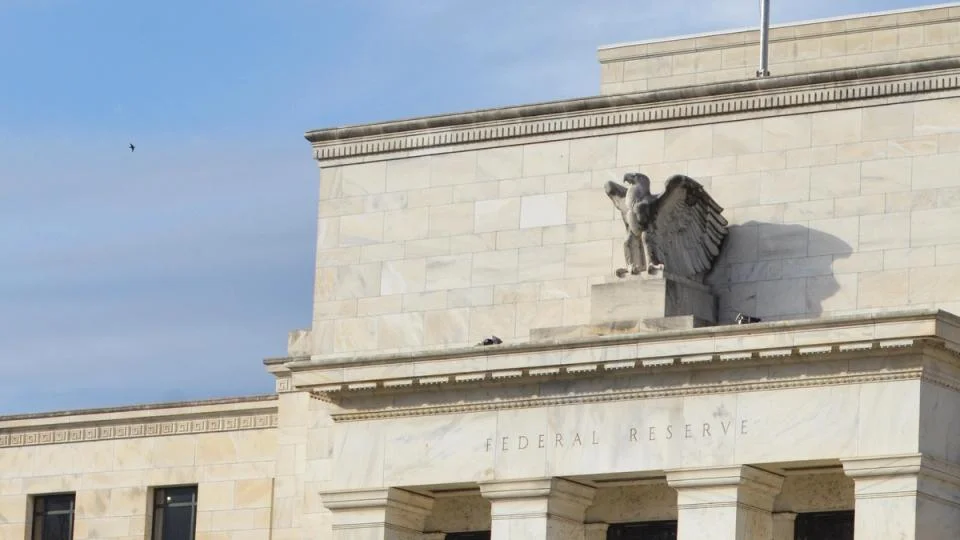



The Federal Reserve, Treasury Department, OCC, FDIC and NCUA jointly released a 130-page proposed rule on Thursday that would apply Bank Secrecy Act customer-identification standards to U.S. stablecoin issuers, marking the first formal rulemaking under last year's GENIUS Act. The proposal would require "permitted payment stablecoin issuers" (PPSIs) to maintain reasonable procedures for verifying customer identities, retaining records including name and address, and screening against government lists of known or suspected terrorists. A 60-day public comment period opened alongside the release, with FinCEN pursuing a parallel anti-money-laundering rule for issuers.
Why it matters
This is the first concrete rulemaking turning the GENIUS Act from statute into enforceable compliance — the moment stablecoin issuers cross from "crypto-native operator" into "regulated financial institution" for KYC/AML purposes. Treasury's earlier request-for-comment round drew 450 submissions; the formal NPRM (notice of proposed rulemaking) is the step that can actually bind issuers once finalized. Tether's USDT and Circle's USDC remain the dominant issuers, but traditional entrants are piling in, and clarity on the regulatory perimeter is the precondition for that capital staying deployed.
Market impact
Fed Governor Michael Barr broke ranks on one specific question: whether the identity-verification rules should extend beyond primary issuance into the secondary market where stablecoins actually trade between wallets and exchanges. "It is far too easy for bad actors to evade these restrictions and operate without detection when transacting in digital assets," Barr said, flagging it as the part he'll watch in comments. The proposal itself poses the question to commenters — "Should any CIP requirement be extended to secondary market activity? If yes, in what circumstances?" — making the secondary-market scope the live regulatory fight that will shape where compliant liquidity parks itself. Watch the comment-letter volume from PPSIs, banks, and crypto-native trading firms over the next 60 days.


Frequently asked questions
-
What did the new GENIUS Act stablecoin rule actually require?
The 130-page proposed rule would require permitted payment stablecoin issuers (PPSIs) to follow Bank Secrecy Act customer-identification standards: verifying customer identities, retaining name and address records, and screening against government lists of known or suspected terrorists.
-
Which U.S. agencies issued the proposed rule?
The Federal Reserve, Treasury Department, OCC, FDIC and NCUA jointly released the proposal. FinCEN is pursuing a parallel anti-money-laundering rule for issuers on its own track.
-
How long is the public comment period?
60 days. The Federal Reserve opened the comment window alongside the other agencies in the joint rulemaking.
-
Why did Fed Governor Michael Barr break with the proposal?
Barr said he is concerned the GENIUS Act framework does not yet address illicit-finance risks in secondary-market stablecoin transactions, where bad actors can evade AML checks more easily. He will watch whether customer-ID rules get extended to that activity.
-
Does the rule cover secondary-market stablecoin trading?
Not yet — the proposal explicitly asks commenters whether CIP requirements should extend to secondary-market activity, in what circumstances, and what the benefits and drawbacks would be. That scope decision is the live regulatory fight.
 CryptoSlate
 WatcherGuru
 TheBlock
 CoinTelegraph