








 CoinDesk
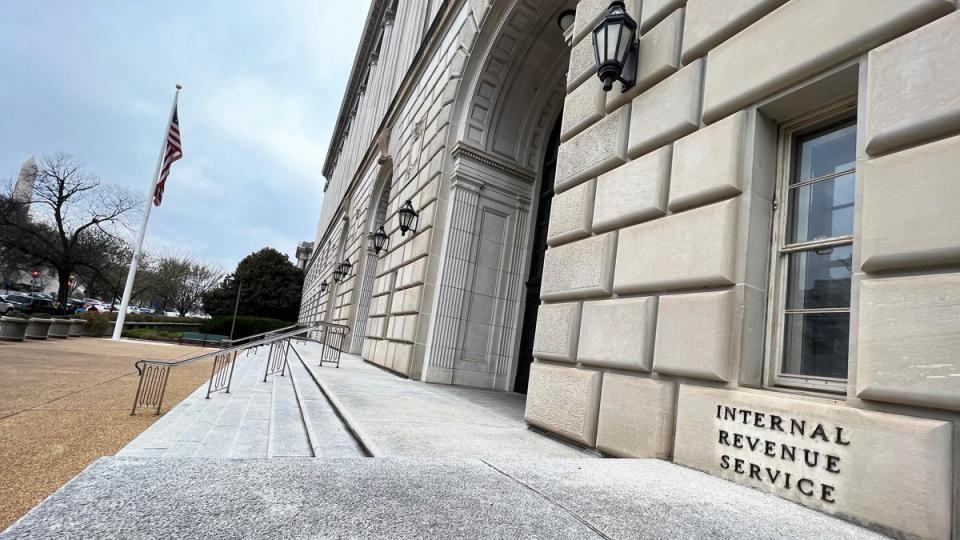

The U.S. House Ways and Means Committee is circulating seven draft crypto tax bills ahead of a June 9 hearing, each tackling a narrow slice of digital-asset tax treatment. The bundle covers de minimis transactions, stablecoin activity, network fees, mining and staking, wash-sale rules, appraisal requirements for charitable donations, and aligning digital assets with existing securities tax treatment.
The mining and staking piece is the most consequential: it would address double taxation on assets taxed both at acquisition and at sale, a longstanding industry complaint. Other drafts propose killing tax demands on certain small transactions and on stablecoin activity, and stripping the appraisal requirement that complicates crypto donations to charity. The committee that oversees federal tax policy will debate the package June 9.
Why it matters
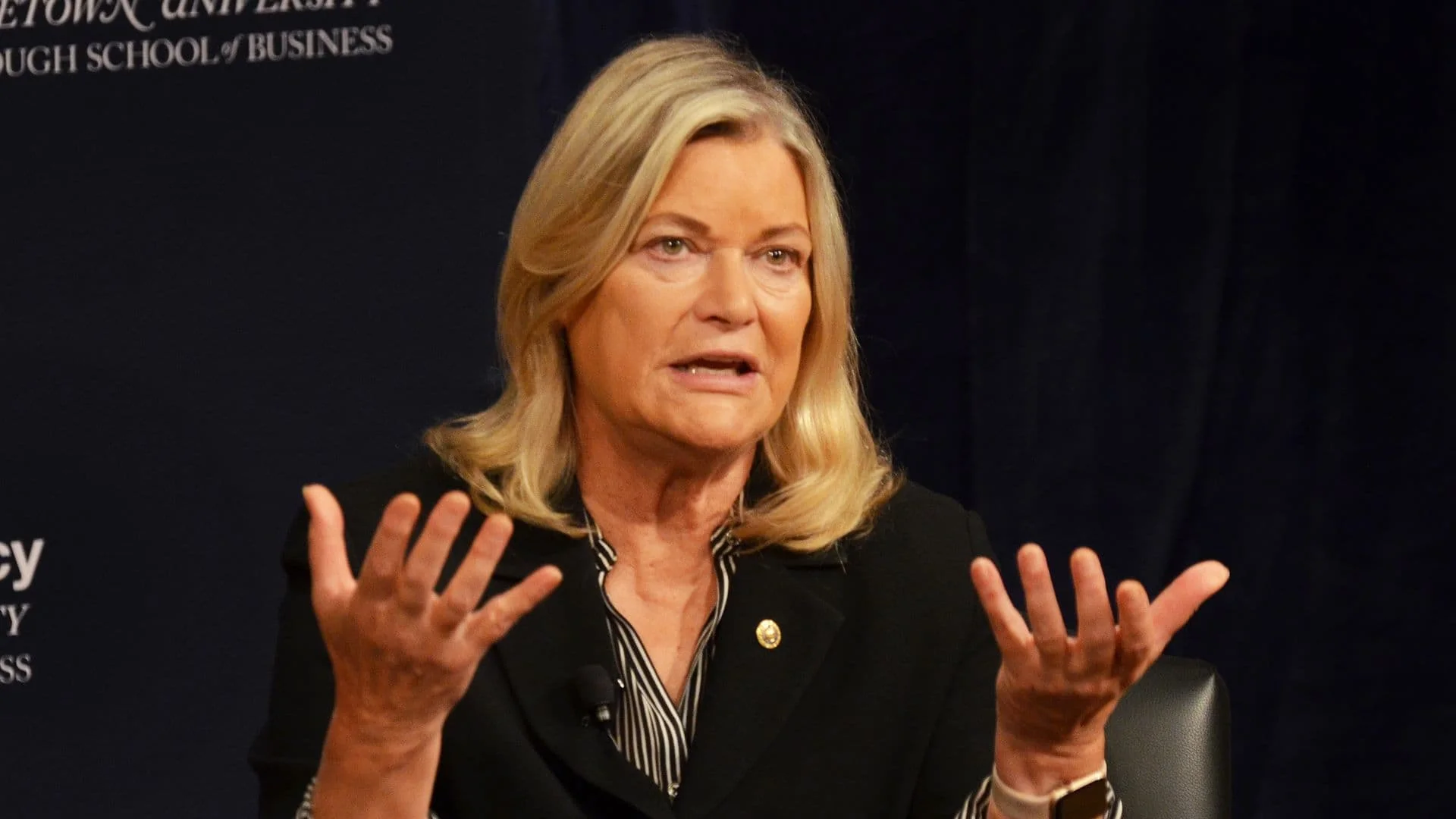
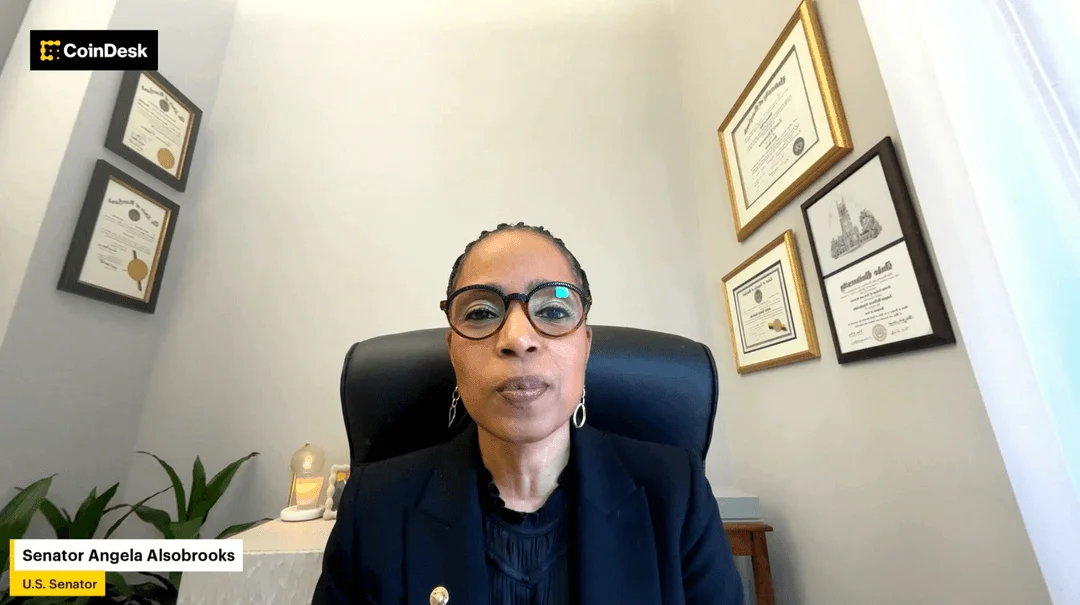
Washington lobbyists have long said tax policy was the next front after market structure, and this is the most concrete bipartisan move yet. Sen. Cynthia Lummis has tried — and failed — to attach crypto tax fixes to must-pass legislation several times, including last year's One Big Beautiful Bill. The arrival of seven narrowly scoped drafts in the House is a procedural signal that lawmakers are finally working in legislative text rather than principles.
Cody Carbone, CEO of the Digital Chamber, framed the June 9 hearing as a chance "to refine these proposals and keep the bipartisan tax effort moving forward." The late-session timing matters: there are several must-pass bills this year that could absorb individual provisions, giving the drafts a viable path even without a standalone crypto tax vehicle.
Market impact
De minimis relief alone would meaningfully change the economics of on-chain activity for retail and small merchants, removing friction from everyday crypto payments. Mining and staking clarity hits institutional validators and proof-of-work operators hardest — a clean rule on acquisition-vs-sale treatment has been the single most-requested item from U.S.-based miners and large stakers lobbying in Washington.
Frequently asked questions
-
What do the seven House crypto tax bills actually cover?
The drafts cover de minimis transactions, stablecoin activity, network fees, mining and staking (including double taxation), wash-sale rules, appraisal requirements for crypto donations to charity, and aligning digital assets with existing securities tax treatment.
-
When is the House Ways and Means Committee hearing on crypto tax?
The committee is set to discuss the seven draft bills at a hearing scheduled for June 9.
-
Why is the mining and staking provision the biggest deal for the industry?
It targets the double-taxation problem — assets taxed both at acquisition and at sale — which has been the single most-requested fix from U.S.-based miners and large stakers lobbying in Washington.
-
How does this differ from Sen. Lummis's previous crypto tax efforts?
Lummis has repeatedly tried and failed to attach crypto tax fixes to must-pass bills, including last year's One Big Beautiful Bill. The House's seven narrowly-scoped drafts represent a procedural shift toward working in legislative text rather than high-level principles.
-
What is the wash-sale rule provision and why is it controversial?
Applying wash-sale rules to crypto would close a tax-loss-harvesting loophole that equity traders cannot use, since crypto currently has no 30-day waiting-period restriction on repurchasing sold assets. The industry is expected to push back on how the rule is scoped.
 TheBlock
 WatcherGuru
 Altcoin Daily
 CryptoSlate
 CoinTelegraph