








 CoinDesk
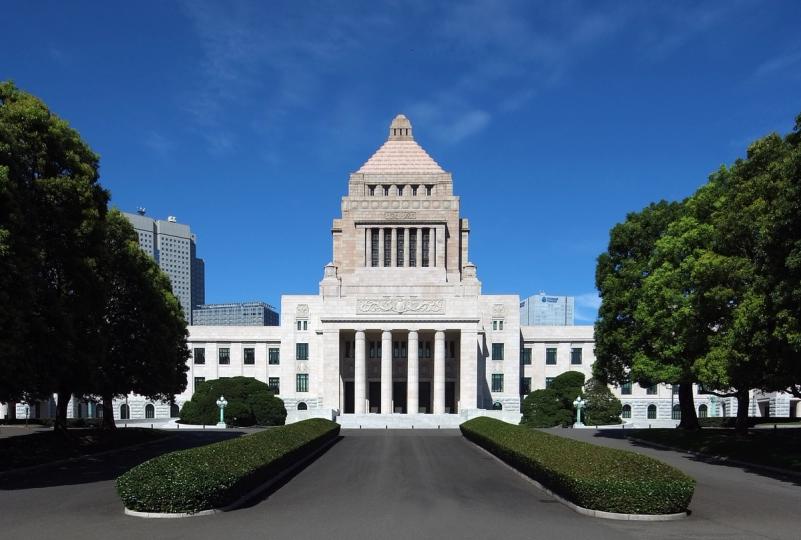



Japan's parliament approved legislation on Wednesday reclassifying cryptocurrencies as financial instruments, ending a decade of treating the asset class primarily as a payment tool. The amended Financial Instruments and Exchange Act and Payment Services Act move crypto into the same regulatory neighborhood as securities, mutual funds and derivatives, with the new framework scheduled to take effect in 2027.
The bill opens the door to spot bitcoin ETFs in Japan, a structural shift FSA officials confirmed they are now preparing to regulate. It also tightens penalties on unregistered operators, raises the maximum prison term from three years to ten, lifts the cap on fines to 10 million yen, and layers in insider-trading and disclosure rules for issuers and exchanges.
Separately, lawmakers greenlit a separate-tax framework that would slice the top crypto income rate from as high as 55% to a flat 20% starting in 2028, split 15% to the national government and 5% to regional authorities.
Why it matters
This is the first G7 economy to recode its primary crypto statute around the asset as an investable product rather than a payments instrument. The classification is the legal prerequisite Japanese asset managers needed before they could list a spot bitcoin ETF domestically, and it imports the disclosure, insider-trading and custody discipline that already governs the country's stock and bond markets. For global allocators, the rulebook is now legible: a venue in Tokyo will run on the same supervisory logic as a venue in London or New York.
The tax cut is the second leg. At a 55% top marginal rate, Japanese retail and professional traders routed volume offshore for years. A flat 20% rate, even deferred to 2028, materially compresses the carry cost of holding crypto on-shore and re-prices the addressable market for Japan-domiciled funds.
Market impact
The immediate effect is positioning, not price. Japanese brokerages and trust banks that have publicly explored crypto custody now have a defined legal bucket to build into, and the FSA's willingness to draft an ETF framework signals product approvals are a matter of timeline, not politics.

Frequently asked questions
-
What did Japan actually change about how crypto is regulated?
Parliament amended the Financial Instruments and Exchange Act and the Payment Services Act to treat crypto as a financial instrument rather than primarily a payment method. The new framework takes effect in 2027 and brings disclosure, insider-trading and investor-protection rules over from securities law.
-
Does this approval mean spot bitcoin ETFs are launching in Japan?
Not immediately. The legislation removes the legal hurdle and the FSA confirmed it will develop a regulatory framework for crypto ETFs, but no products were approved. The first domestic spot BTC ETF filing out of Tokyo is the next milestone to watch.
-
How is the crypto tax rate changing?
Lawmakers approved a separate-tax framework that would cut the top rate on crypto income from as high as 55% to a flat 20%, split 15% to the national government and 5% to regional authorities. The lower rate is scheduled to take effect in 2028.
-
What are the new penalties for unregistered crypto operators?
The maximum prison term rises from three years to ten years, and the maximum fine increases from 3 million yen to 10 million yen. The framework also introduces stricter insider-trading rules and expanded disclosure requirements for issuers and exchanges.
-
How does this compare to other G7 crypto frameworks?
Japan is the first G7 economy to recode its primary crypto statute around the asset as an investable product rather than a payments instrument. The EU's MiCA framework is the closest comparable reference point, though MiCA was built around a different statutory architecture.
 CoinTelegraph
 WatcherGuru
 WuBlockchain
 CryptoSlate