








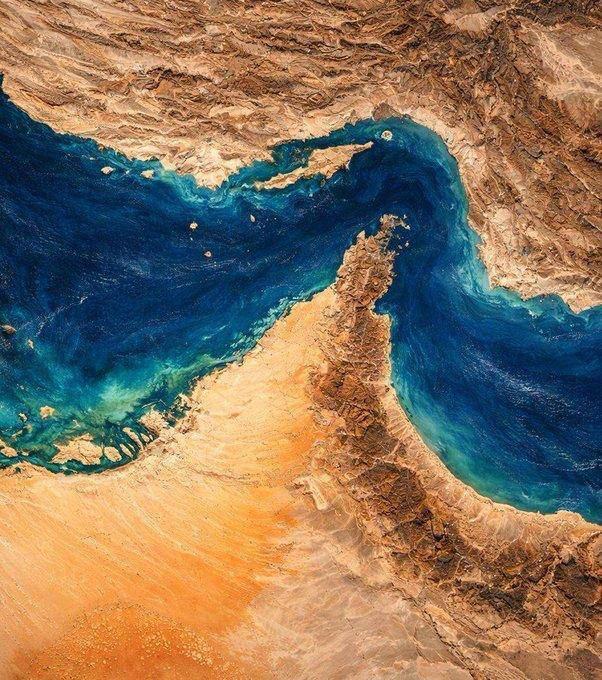
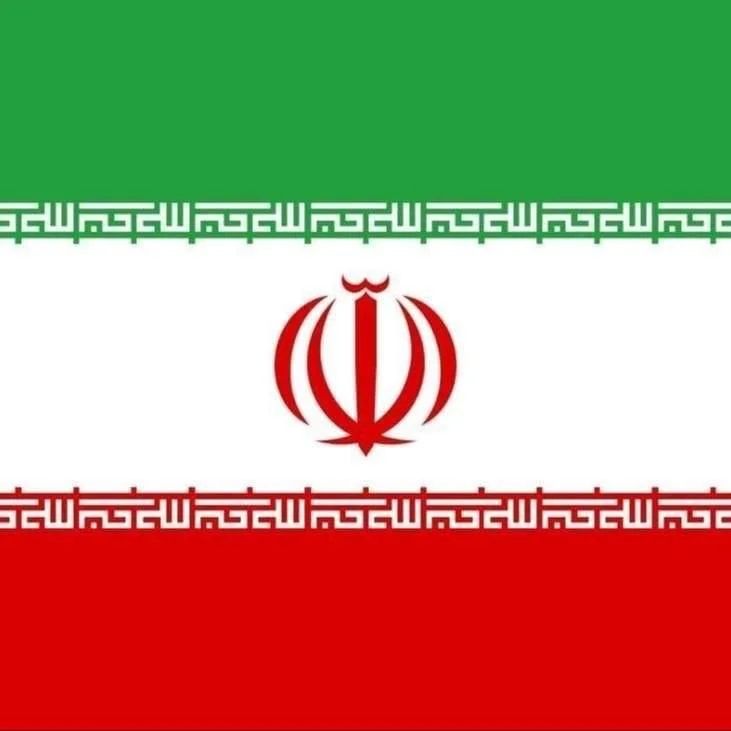
Iran's military command has declared the Strait of Hormuz closed to all vessels, warning that any ship attempting passage will be fired upon. The declaration, if enforced, would represent one of the most severe escalations in the Persian Gulf in decades.
Why it matters
The Strait of Hormuz is the world's single most critical oil chokepoint, with roughly 20% of global petroleum supply — approximately 17 million barrels per day — transiting the waterway. A closure or credible threat of closure has historically triggered immediate spikes in Brent crude and energy-linked assets, while simultaneously pressuring risk assets including equities and crypto. Insurance underwriters will reprice war-risk premiums on Gulf shipping within hours of a credible military declaration of this kind.
Market impact
Energy markets will react first: oil futures typically gap higher on Hormuz closure threats, and this declaration carries the weight of a direct military command rather than a political statement. Broader risk-off sentiment is likely to follow — historically, acute Gulf escalations push capital toward safe-haven assets including gold and the US dollar, while crypto markets tend to sell off in the initial shock phase before potentially recovering as an inflation hedge narrative reasserts. Equity markets in Asia and Europe will open under pressure if the situation is not de-escalated before their sessions.
Frequently asked questions
-
Why does a Strait of Hormuz closure matter so much for global markets?
Approximately 20% of the world's daily petroleum supply transits the Strait of Hormuz. A closure or credible threat forces immediate repricing in oil futures, war-risk insurance, and risk assets globally, including equities and crypto.
-
How does a Hormuz escalation typically affect cryptocurrency prices?
Crypto markets historically sell off sharply in the initial shock phase of acute Gulf escalations as investors move to safe havens like gold and the US dollar, though a recovery can follow as inflation-hedge and sanctions-bypass narratives reassert.
-
Are there alternative shipping routes if the Strait of Hormuz is blocked?
Saudi Arabia's East-West pipeline and the UAE's ADCO line exist as partial bypasses, but they carry only a fraction of normal Gulf export throughput, making a sustained closure a systemic supply shock with no quick logistical fix.

 WatcherGuru
 TheBlock
 CoinDesk
 Crypto Capital Venture