








 WuBlockchain
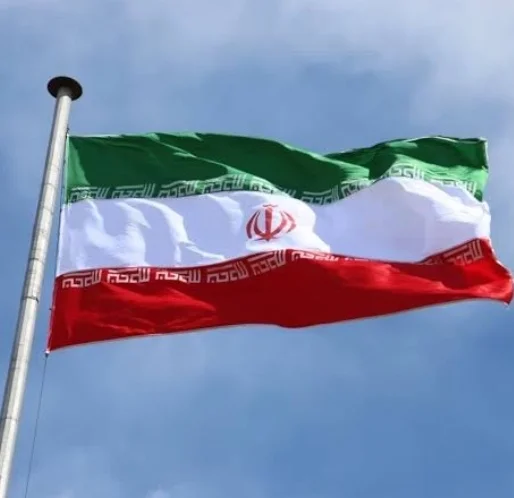

Under sustained U.S. sanctions pressure, Iran's central bank has quietly eased foreign exchange controls in recent months, encouraging exporters to bring overseas funds home through crypto rails. An executive at a government-linked company told the Financial Times that "receiving export payments in crypto has now become completely normalized," with USDT the most widely used asset for cross-border settlement alongside Bitcoin.
Why it matters
The shift reframes crypto from a retail sanction-evasion tool into formal cross-border payment infrastructure for a G20-adjacent economy. The Central Bank of Iran did not comment on the policy change, but the message from the executive and from TRM Labs data is that the practice is no longer covert, it is operating at industrial scale.
Market impact
TRM Labs data shows crypto transaction volume linked to Iran approached $10 billion in 2025, with USDT dominating the flow. That volume puts Iran among the most active sanctioned-jurisdiction crypto corridors globally, and confirms stablecoins, not Bitcoin, are the unit of account for goods-moving exporters navigating the dollar blockade.


Frequently asked questions
-
Why are Iran exporters using USDT for cross-border payments?
U.S. sanctions and the dollar financial blockade have cut off traditional banking rails, so exporters are routing overseas funds through Iranian crypto exchanges, with USDT the dominant settlement asset.
-
How much crypto volume is Iran generating?
TRM Labs data shows Iran-linked crypto transaction volume approached $10 billion in 2025, putting Iran among the most active sanctioned-jurisdiction crypto corridors globally.
-
Did Iran's central bank officially endorse crypto for export payments?
The Central Bank of Iran declined to comment, but the FT reports it has quietly eased foreign exchange controls and is encouraging exporters to use crypto to repatriate overseas funds.
-
Is Bitcoin also used, or only stablecoins?
Both USDT and BTC are in use across Iranian crypto exchanges, but USDT is by far the most widely used asset for cross-border settlement.
-
What does this mean for stablecoins in sanctioned economies?
The $10B 2025 volume signals stablecoins have moved from retail sanction-evasion tools into formal payment infrastructure for sanctioned-economy commerce, operating at industrial scale.
 CZ Binance
 Altcoin Daily
 TheBlock
 WatcherGuru
 CoinTelegraph
 CryptoSlate
 Crypto News