








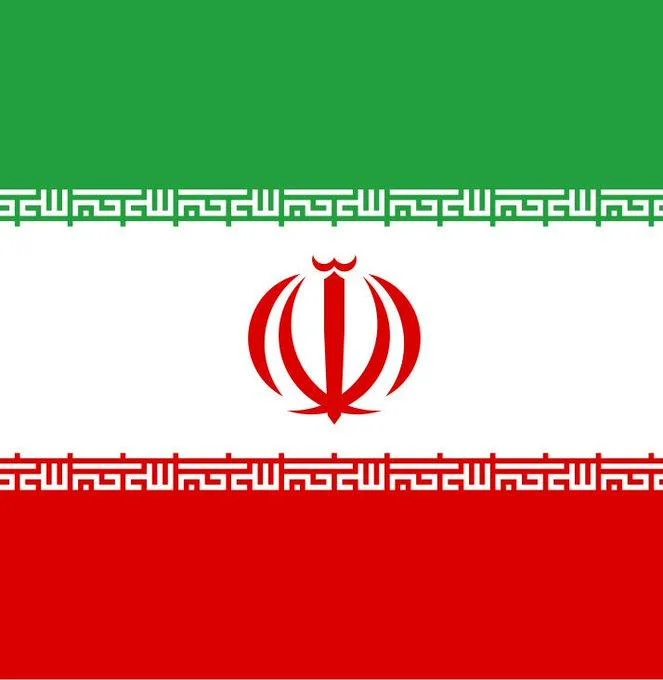

Iran is quietly easing currency controls and turning to Tether and Bitcoin to keep trade flowing under US sanctions and a blockade. The move places crypto inside a state effort to maintain commerce when conventional payment channels are constrained.
Why it matters
Tether functions as a digital settlement rail, while Bitcoin offers an open network outside a single banking channel. Iran's shift shows how financial pressure can push crypto beyond its role as a speculative asset and into trade infrastructure.
The signal extends beyond Iran. It connects stablecoins, Bitcoin adoption and sanctions policy, giving regulators and market participants another reason to treat crypto access as a question of financial infrastructure rather than price alone.
Market impact
The immediate market signal is adoption-led: Tether and BTC are being positioned as tools for trade continuity. The practical test is whether relaxed controls produce sustained trade use and a broader role for both assets in Iran's payment channels.


Frequently asked questions
-
Why is Iran turning to Tether and Bitcoin?
Iran is using them to help keep trade flowing while US sanctions and a blockade constrain conventional payment channels.
-
What role does Tether play in Iran's trade strategy?
Tether functions as a digital settlement rail for maintaining commerce when conventional channels are constrained.
-
How does Bitcoin differ from Tether in this context?
Bitcoin offers an open network outside a single banking channel, while Tether serves as the digital settlement rail in this framing.
-
What broader crypto use case does Iran's move highlight?
It frames crypto as trade infrastructure and a tool for financial continuity, not only a speculative asset.
-
What would show that Iran's crypto shift is lasting?
The practical test is whether relaxed controls produce sustained trade use and a broader role for Tether and Bitcoin in Iran's payment channels.

 WuBlockchain
 CZ Binance
 Altcoin Daily
 TheBlock
 WatcherGuru
 CryptoSlate
 Crypto News