








 CoinTelegraph

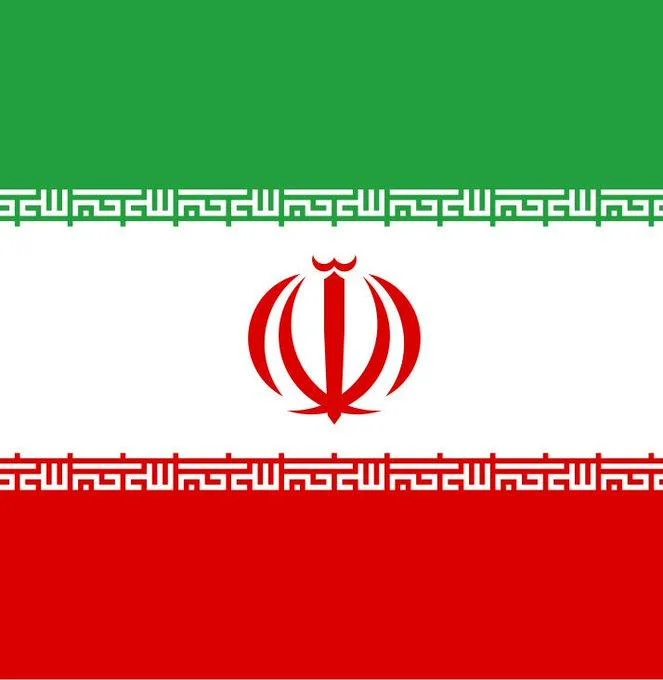
Iran has offered the United States a proposal that could reopen the Strait of Hormuz within a week and restart talks aimed at ending the war, the Financial Times reported. The proposal is framed around a seven-day timeline; the report does not establish that the US has accepted it.
Why it matters
The Strait of Hormuz is a critical route for global energy shipments. A credible path to reopening it could reduce a key source of geopolitical risk and improve the outlook for energy trade.
Market impact
For markets, the proposal raises the prospect of easing tensions, a potential risk-on catalyst if it leads to concrete progress. Any shift in that outlook depends on the US response and whether talks produce an agreement; the proposal itself does not confirm that shipping has resumed.
Frequently asked questions
-
What does Iran's seven-day proposal aim to do?
It could reopen the Strait of Hormuz within a week and restart talks aimed at ending the war, according to the Financial Times report.
-
Has the United States accepted Iran's proposal?
The report says Iran offered the proposal but does not establish that the United States has accepted it.
-
Why is the Strait of Hormuz important to markets?
It is a critical route for global energy shipments, so a potential reopening could affect perceptions of geopolitical risk and energy trade.
-
Could the proposal support risk-on sentiment?
If it leads to concrete progress, easing geopolitical risk could support a risk-on shift. The proposal alone does not confirm that outcome.
-
What is the next signal for markets to watch?
The US response and whether talks move forward will indicate whether the proposal could lead to a reopening or progress toward ending the war.
 Benjamin Cowen
 WatcherGuru
 TheBlock
 Crypto News
 CryptoSlate