








 WatcherGuru
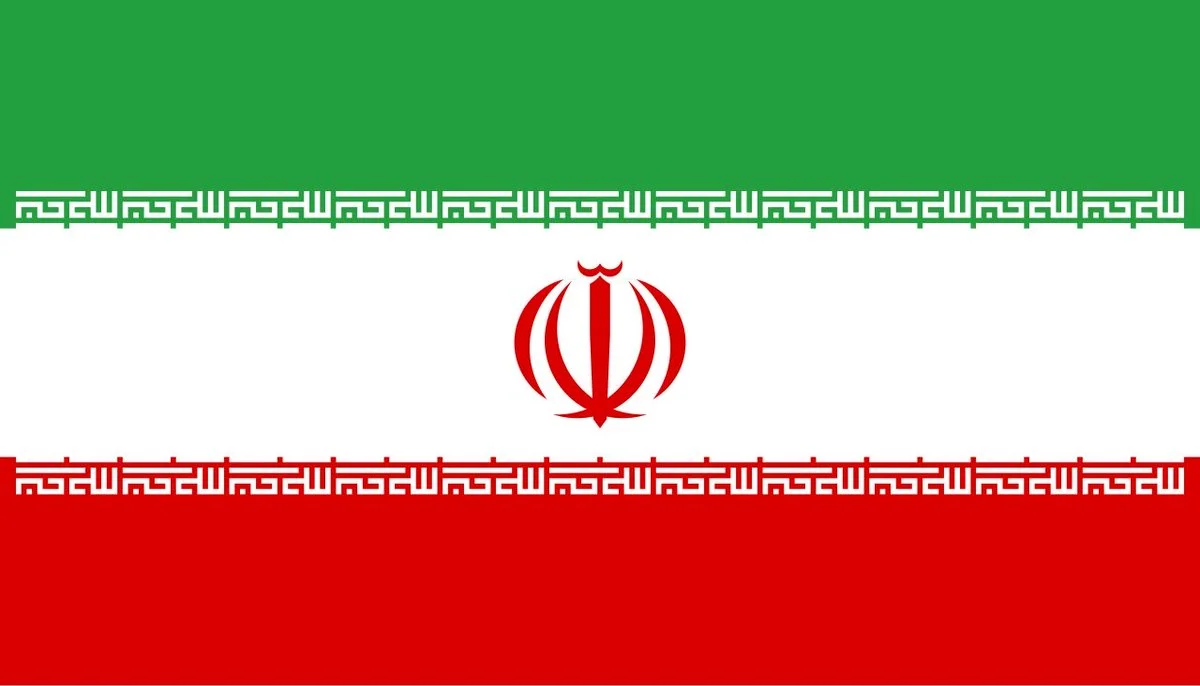

Iran has pushed back on statements from President Donald Trump, insisting that the Strait of Hormuz remains closed despite his public claims to the contrary. The conflicting signals from Tehran and Washington leave one of the world's most strategically critical shipping lanes in an unresolved state of ambiguity.
Why it matters
The Strait of Hormuz is the chokepoint through which roughly 20% of global oil supply transits daily. Any genuine closure — or even sustained uncertainty about its status — carries direct implications for crude prices, energy markets, and the broader macro environment. When two governments issue contradictory statements about a waterway of this magnitude, markets are left pricing a range of outcomes simultaneously.
Market impact
Oil traders and macro investors will be watching for clarification from either side. A confirmed closure or escalation would be expected to push crude prices sharply higher, with downstream effects on inflation expectations and central bank posture. Conversely, a confirmed reopening would relieve pressure on energy prices. Until the factual status is established, the dispute itself is the signal — geopolitical ambiguity of this scale historically sustains a risk premium in oil.
Frequently asked questions
-
Why do conflicting US and Iran statements about the Strait of Hormuz matter for markets?
The strait carries roughly 20% of global daily oil supply, so any genuine closure or unresolved uncertainty about its status directly affects crude prices, inflation expectations, and central bank posture worldwide.
-
What would a confirmed Strait of Hormuz closure mean for oil prices?
A confirmed closure would be expected to push crude prices sharply higher, with downstream effects on inflation and broader macro conditions. A confirmed reopening would relieve that pressure.
-
How are traders likely to respond while the two governments' accounts remain unresolved?
Historically, geopolitical ambiguity of this scale sustains a risk premium in oil markets, meaning traders price a range of outcomes simultaneously until independent verification establishes the waterway's actual status.
 CoinTelegraph
 CoinDesk
 CryptoSlate
 Glassnode